
Winter Fog Safety Measures: Transport Corporation Strengthens Bus Travel Protection
Winter Fog Safety Measures: As the winter season intensifies, dense fog has become a serious challenge for road transportation, especially during early morning and late-night hours. Reduced visibility significantly increases the risk of road accidents, making passenger safety a major concern. Keeping this situation in mind, the Transport Corporation has rolled out a set of enhanced safety measures aimed at ensuring safer bus operations during foggy weather conditions. These steps are focused on minimizing risks, guiding drivers with clear instructions, and maintaining public trust in bus travel throughout the winter months.
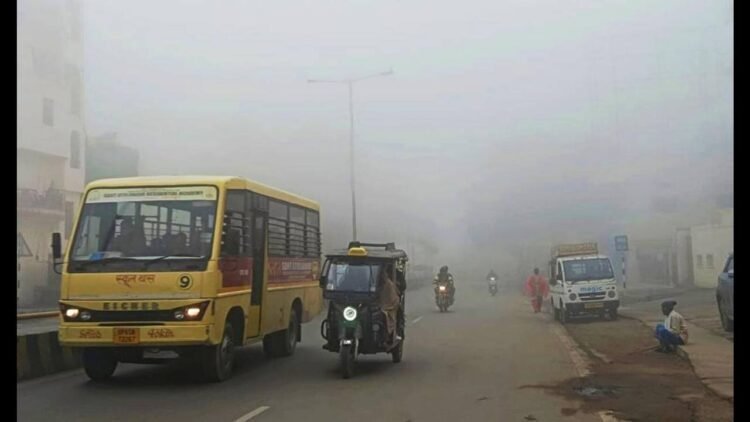
Importance of Safety During Foggy Conditions
Fog is one of the most dangerous weather conditions for road travel, as it drastically limits a driver’s ability to see obstacles, other vehicles, and road signals. During winter, fog tends to be thicker and more persistent, particularly at night and in the early hours of the day. Recognizing these dangers, the Transport Corporation has placed passenger safety above punctuality and operational pressure. The new approach emphasizes cautious driving, better decision-making, and strict adherence to safety rules.
Clear Instructions for Drivers During Low Visibility
One of the key measures introduced by the Transport Corporation is empowering drivers to stop buses whenever visibility drops to unsafe levels. Drivers have been clearly instructed to slow down or completely halt operations if dense fog makes driving risky. This policy ensures that drivers do not feel compelled to continue driving simply to maintain schedules. Safety officials have stated that protecting lives is more important than meeting arrival times, especially in hazardous weather conditions.
Speed Control and Safe Distance Guidelines
To further reduce the risk of accidents, the corporation has imposed strict speed limits during foggy conditions. Drivers have been advised not to exceed 50 kilometres per hour when fog is present. In addition to speed control, maintaining a safe distance between vehicles has been made mandatory. Drivers are required to keep at least 50 metres of distance from the vehicle ahead. This buffer allows sufficient reaction time in case of sudden stops or unexpected obstacles on the road.
Mandatory Use of Fog Lights and Safe Parking
Another critical aspect of the new safety plan is the mandatory use of fog lights. Proper lighting plays a vital role in improving visibility and making buses more noticeable to other road users. Drivers have been instructed to ensure that fog lights are functional and used correctly during foggy weather. In situations where visibility becomes extremely poor, buses must be safely parked on the roadside until conditions improve. This measure prevents unnecessary movement during high-risk periods.
Driver Awareness and Training Sessions
To effectively implement these guidelines, the Transport Corporation organized a detailed safety meeting at the regional office. During this session, drivers were educated about the specific risks associated with winter fog and the importance of extra caution. Officials emphasized the need to avoid rushing, stay mentally alert, and remain focused while driving in challenging weather. Special attention was given to night-time and early morning operations, when fog is usually at its worst.
Role of Passenger Cooperation
Passenger cooperation has also been highlighted as a crucial factor in ensuring safety. Authorities have appealed to passengers to remain patient in case of delays caused by fog-related precautions. Pressuring drivers to drive faster in poor visibility can lead to dangerous outcomes. By understanding the risks and supporting cautious decisions, passengers can contribute to a safer travel environment for everyone.
Official Confirmation and Expected Impact
ARM Naresh Chandra Gupta confirmed that these safety instructions have been communicated to all drivers across the network. He stated that the corporation is taking special precautions during the winter season to reduce accidents and protect both passengers and staff. According to him, these measures are expected to significantly improve road safety and enhance passenger confidence while travelling in fog-prone conditions.
By prioritizing caution, awareness, and cooperation, the Transport Corporation aims to make winter bus travel safer and more reliable, even in challenging weather.