
WomenReservation – NDA Announces Nationwide Protest After Bill Fails in Lok Sabha
WomenReservation – The National Democratic Alliance (NDA) has announced a countrywide protest campaign beginning Saturday after a key constitutional amendment bill proposing 33 per cent reservation for women in Parliament failed to pass in the Lok Sabha. The development has intensified political tensions between the ruling alliance and the opposition bloc, with both sides trading sharp accusations over the outcome.
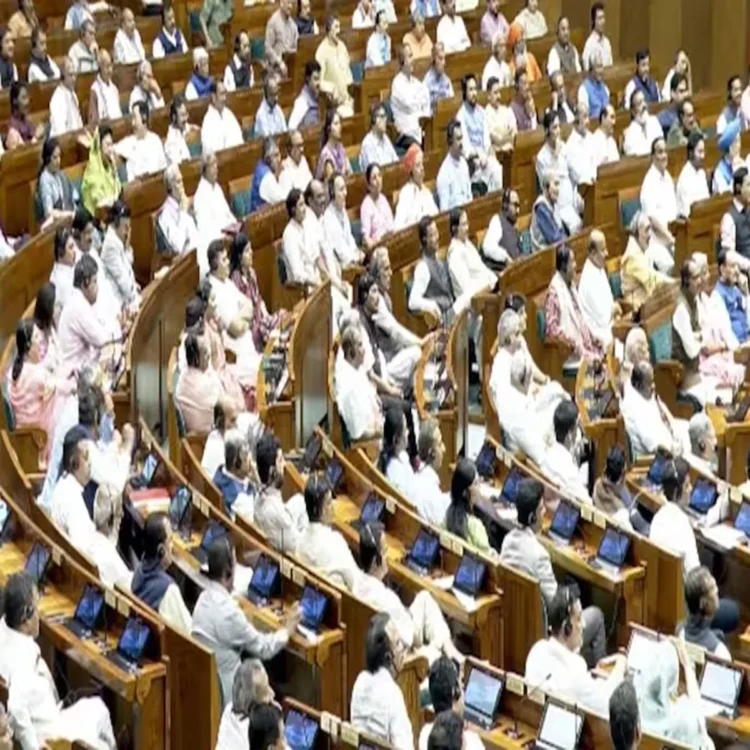
Bill Falls Short of Required Majority
The Constitution (131st Amendment) Bill, 2026, aimed at increasing women’s representation in Parliament, could not secure the mandatory two-thirds majority needed for passage. Despite a lengthy debate in the lower house, the proposal received 278 votes in support and 211 against, falling short of the threshold required under constitutional provisions.
The bill also included provisions to expand the total strength of the House, which was seen as a significant structural reform alongside the reservation proposal. However, the numbers did not add up in favour of the legislation, leading to its defeat.
NDA Blames Opposition for Blocking Reform
Leaders from the NDA have strongly criticised the opposition alliance, accusing it of obstructing what they described as a historic step toward gender equality in politics. According to ruling alliance representatives, the failure of the bill reflects a lack of commitment from opposition parties to improve women’s participation in legislative bodies.
The NDA has framed the issue as a matter of public importance, stating that the protest campaign will aim to bring attention to what it calls the opposition’s “anti-women stance.” Party leaders have indicated that they intend to take this message directly to the public through demonstrations and outreach efforts across the country.
Nationwide Protests Planned Across Districts
The protest campaign is expected to be organised at district headquarters nationwide, with a leading role played by the BJP Mahila Morcha, the women’s wing of the Bharatiya Janata Party. These demonstrations are intended to mobilise public support and generate wider awareness about the proposed reservation policy.
According to party sources, the initiative will also focus on engaging with women voters and highlighting the importance of increased political representation. The campaign is likely to include rallies, public meetings, and outreach programs designed to build momentum around the issue.
Political Strategy Ahead of Key Elections
The ruling alliance is expected to make the women’s reservation issue a central theme in upcoming elections, particularly in states such as West Bengal and Tamil Nadu. Political observers suggest that the NDA may use the bill’s failure to strengthen its outreach among women voters and present itself as a supporter of gender-focused reforms.
At the same time, opposition parties have defended their stance, arguing that their position on the bill was based on broader concerns related to implementation and representation. The disagreement has further widened the gap between the two sides, adding a new dimension to the ongoing political contest.
Protests Within Parliament Reflect Discontent
Following the bill’s defeat, women Members of Parliament from the NDA staged a demonstration within the Parliament premises. They expressed disappointment over the outcome and reiterated their commitment to pursuing reservation for women in legislative institutions.
The protest within Parliament underscored the emotional and political significance of the issue, with several leaders emphasizing that the demand for women’s representation would remain a priority in future legislative efforts.
Growing Political Divide on Gender Representation
The failure of the bill has sharpened the political divide between the ruling alliance and the opposition, setting the stage for a broader debate on gender representation and electoral reforms in India. With protests now planned across the country, the issue is likely to remain at the forefront of political discourse in the coming months.
As both sides prepare to take their arguments to the public, the debate over women’s reservation is expected to influence not only parliamentary discussions but also electoral narratives across multiple states.