
TransportPolicy – Centre Plans Fresh Rules to Launch Driverless Pod Transit
TransportPolicy – The Central government is preparing to revise existing transport regulations to support the introduction of automated electric pod-based transit systems in India. The move is aimed at accelerating the rollout of a modern urban mobility network that officials believe could help address congestion and improve last-mile connectivity in major cities.
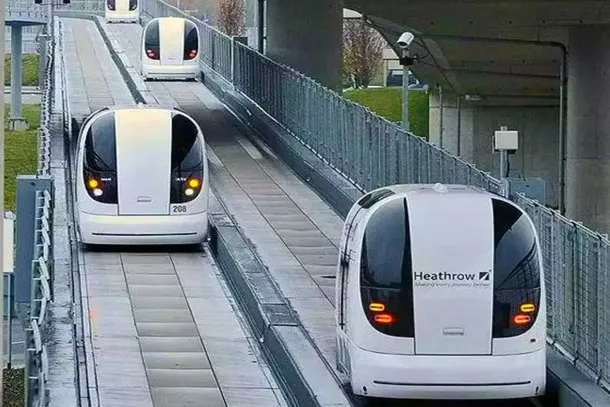
Union Minister for Road Transport and Highways Nitin Gadkari said on Tuesday that the National Highways Logistics Management Limited is actively working on a proposal related to pod taxi implementation. According to the minister, the project is expected to move forward in the near future after the required policy and technical groundwork is completed.
Government Reviewing Existing Legal Framework
The proposed system, often referred to internationally as Metrino or Personal Rapid Transit, currently lacks a clear legal framework under Indian transport laws. Gadkari explained that the government is now examining the standards required to approve and regulate such systems within the country.
He noted that earlier attempts to move the project ahead faced several obstacles, particularly in relation to safety certification and domestic manufacturing requirements. Officials also encountered difficulties because the present transport rules do not officially recognise automated driverless pod systems.
The Centre is therefore considering amendments to current regulations while simultaneously drafting new operational and safety standards to ensure the technology can be introduced responsibly.
How the Pod Transit System Works
The proposed urban transport model is designed around compact electric passenger cabins, commonly known as pods. These pods travel on elevated guideways installed above existing roads and are intended to function as an on-demand transit service.
Unlike conventional public transport, the system is designed for individual or small-group travel rather than large passenger loads. Each pod can carry around five to six passengers and would operate automatically without a driver.
Supporters of the technology argue that it can reduce road congestion, lower pollution levels, and offer faster travel in densely populated urban areas. Since the pods run on electricity, the system is also viewed as an environmentally friendly alternative for future city transport networks.
Earlier Plans Faced Technical Challenges
The concept of pod taxis is not entirely new in India. Gadkari had first announced plans in 2016 to introduce the ambitious transit system in the National Capital Region. At the time, the proposal generated significant interest because of its potential to modernise urban transportation infrastructure.
However, implementation did not progress as expected due to multiple technical and regulatory hurdles. According to the minister, ensuring passenger safety within an automated transport environment proved particularly complex. Authorities also had to address challenges linked to integrating the technology under the government’s Make in India initiative.
Officials are now revisiting those earlier concerns while studying international standards and adapting them for Indian conditions.
Focus on Future Urban Mobility
The renewed push toward pod-based transit comes as Indian cities continue to experience rising traffic congestion and growing pressure on existing public transport systems. Policymakers are increasingly exploring alternative mobility solutions that rely on cleaner energy sources and smart transport technologies.
Experts believe that automated transit systems could eventually complement metro rail networks and bus services in crowded metropolitan regions. However, large-scale deployment would depend on regulatory approval, infrastructure planning, financial viability, and public safety compliance.
The government has not yet announced a timeline for the official launch of the project, but the latest statement indicates that policy-level discussions are once again gaining momentum.