
Russia Sanctions – US Senate Passes Bill With 100% Tariff Threat for India, China
Russia Sanctions – The United States Senate has passed a bipartisan Russia sanctions bill that could allow tariffs of up to 100% on imports from major buyers of Russian oil and natural gas, including India and China. The legislation, named the Lindsey O. Graham Sanctioning Russia and Iran Act of 2026, cleared the Senate on Friday by an 86-11 vote. It now moves to the House of Representatives, where lawmakers will decide whether to advance it further.
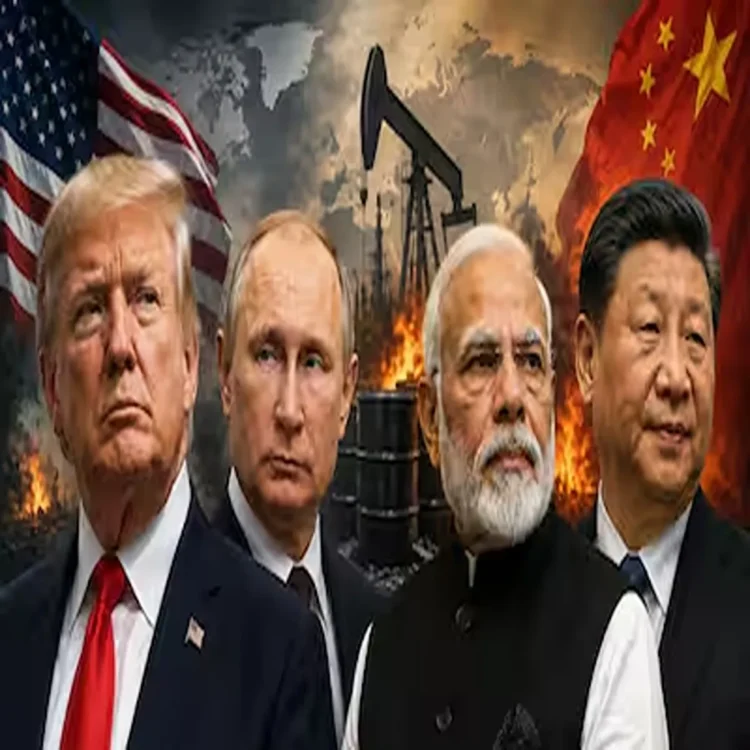
Bill Targets Major Buyers of Russian Energy
The measure is designed to increase economic pressure on Moscow by targeting Russian energy revenues. If enacted, it would give the US president authority to impose tariffs of up to 100% on goods imported from the five largest buyers of Russian crude oil and natural gas, as well as countries involved in helping Russia evade energy sanctions. India and China are among the countries that could face the additional duties.
The legislation is narrower than an earlier proposal that had contemplated tariffs as high as 500%. The revised version limits the maximum rate to 100% and focuses the tariff mechanism on the largest purchasers. The list of countries covered by the provision is also subject to periodic review, allowing it to change as energy purchasing patterns shift.
Exemption Included for Some Gas Importers
The bill contains an exception for countries whose purchases account for less than 15% of Russia’s total natural gas exports, provided they are also taking significant steps to reduce their dependence on Russian gas. This provision could keep some countries outside the scope of the proposed tariff measures.
Beyond tariffs, the legislation calls for sanctions against senior Russian officials, financial institutions, energy projects and networks involved in sanctions evasion. Russian President Vladimir Putin and other senior figures are among those who could be subject to mandatory sanctions under the measure. The bill also targets Russia’s so-called shadow fleet of oil tankers used to move energy outside established sanctions channels.
India-US Trade Talks Face Another Complication
The Senate vote comes as India and the United States continue negotiations over trade and tariffs. White House National Economic Council Director Kevin Hassett declined to say whether the new sanctions legislation would affect those discussions, saying the issue would be determined by the negotiating teams.
The latest tariff action adds another layer to an already changing trade framework. In July, the US Trade Representative announced a 10% Section 301 duty on imports from India following an investigation concerning the enforcement of prohibitions on goods produced with forced labour. The 10% rate placed India in a lower tariff tier than several other economies covered by the investigation. House Approval Still Required
Although the Senate vote marks an important step, the sanctions package has not yet become law. It must clear the House before it can reach the White House for presidential consideration. The proposal has already drawn concerns from some lawmakers who argue that broad tariff authority could increase costs for American businesses and consumers.
For India, the immediate impact therefore remains uncertain. The 100% tariff is not automatic simply because the Senate has passed the bill. Its eventual effect would depend on House approval, enactment of the legislation and how the administration uses the authority provided by Congress. The measure nevertheless adds pressure to an already sensitive area of India-US economic relations, particularly because India remains a major buyer of Russian crude.
,