
RentPolicy – Delhi High Court Says CM Statements Not Legally Binding
RentPolicy – The Delhi High Court has ruled that statements made by a Chief Minister during a press conference cannot be treated as legally enforceable commitments, offering clarity on the limits of executive assurances made in public forums.
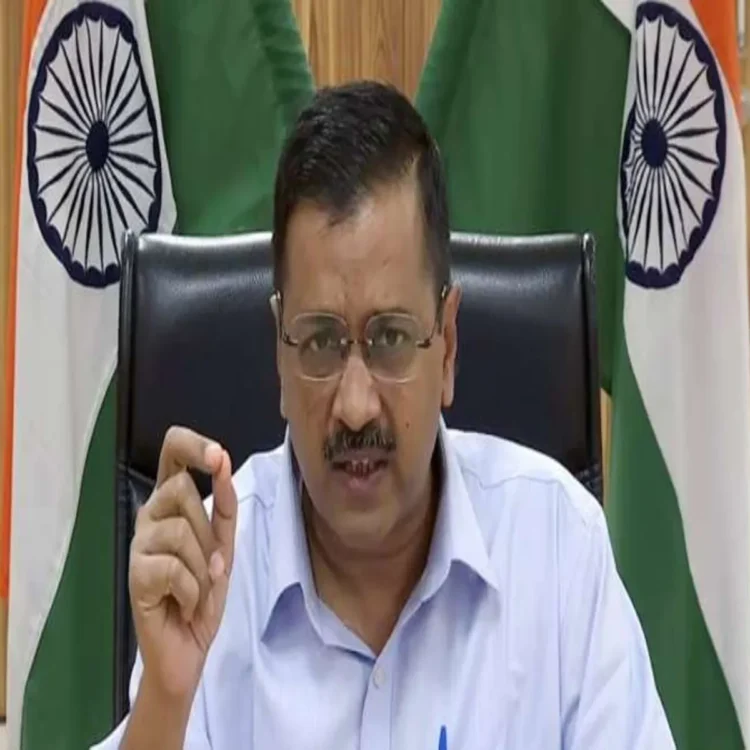
Court Clarifies Limits of Public Assurances
In a significant judgment delivered on Monday, the Delhi High Court stated that promises or assurances made by a sitting Chief Minister during a media briefing do not automatically create a binding obligation on the government. The Division Bench, comprising Justices C Hari Shankar and Om Prakash Shukla, emphasized that such statements, often made in response to evolving situations, cannot be enforced through court orders.
The ruling came while setting aside an earlier decision by a single-judge bench, which had directed the Delhi government to consider forming a policy to implement an assurance made during the early days of the COVID-19 lockdown.
No Mandate to Enforce Press Conference Statements
The Bench clearly observed that courts cannot issue directions compelling the government to act on statements made in press interactions. According to the judges, such remarks may be made without full consideration of their financial or administrative consequences.
The court pointed out that evaluating the feasibility of such assurances, including their economic and logistical impact, falls outside judicial scrutiny in such cases. Therefore, issuing a mandamus to enforce these statements would not be appropriate.
Context of the COVID-19 Lockdown Announcement
The case is rooted in a press conference held on March 29, 2020, during the nationwide lockdown imposed to curb the spread of COVID-19. At the time, then Chief Minister Arvind Kejriwal had appealed to landlords to show leniency towards tenants who were struggling financially. He had also indicated that the government might step in to cover rent for those unable to pay.
Following this announcement, several individuals, including daily wage workers, approached the court seeking enforcement of the assurance. They argued that the economic disruption caused by the lockdown had left them without income, making it impossible to meet rent obligations.
Petition Dismissed as Legally Unsustainable
However, the High Court dismissed these petitions, stating that the request to enforce the assurance was fundamentally flawed. The judges held that a statement made during a press conference does not amount to a formal policy decision and therefore cannot be treated as a legal commitment.
The court also noted that it lacked sufficient information regarding the broader implications of implementing such a promise, including its financial burden on the state and the administrative challenges involved.
Scope for Government Policy Remains Open
While declining to enforce the assurance, the Bench clarified that the government is not barred from taking a policy decision on the matter if it considers it appropriate. The judgment leaves room for the state to independently evaluate and implement relief measures if deemed feasible.
This observation underscores the distinction between judicial enforcement and executive discretion, reinforcing that policy decisions must originate from within the government framework rather than through court intervention.
Protection for Tenants During Lockdown
The court also highlighted an earlier order issued in 2020 by the District Disaster Management Authority. This directive had restrained landlords from evicting tenants or forcing rent recovery during the lockdown period, providing temporary relief to vulnerable sections of society.
Separate Case: Court Seeks CCTV Evidence
In a related development, a Delhi court has asked police authorities to submit CCTV footage and call data records in connection with the Janakpuri biker death case. The matter involves allegations of illegal detention of a sub-contractor.
The court directed the Station House Officer to provide details of custody and produce DVR footage covering February 6 to 8. It also raised concerns over missing records and incomplete case documentation, indicating gaps in the investigation process.