
Cockroach Movement – Sonam Wangchuk Urges Dialogue Over Suppression of Youth Voices
Cockroach Movement – Social activist and education reformer Sonam Wangchuk has voiced support for the online “cockroach” campaign that has recently attracted national attention, urging the central government to listen to the frustrations of young citizens instead of attempting to silence digital dissent.
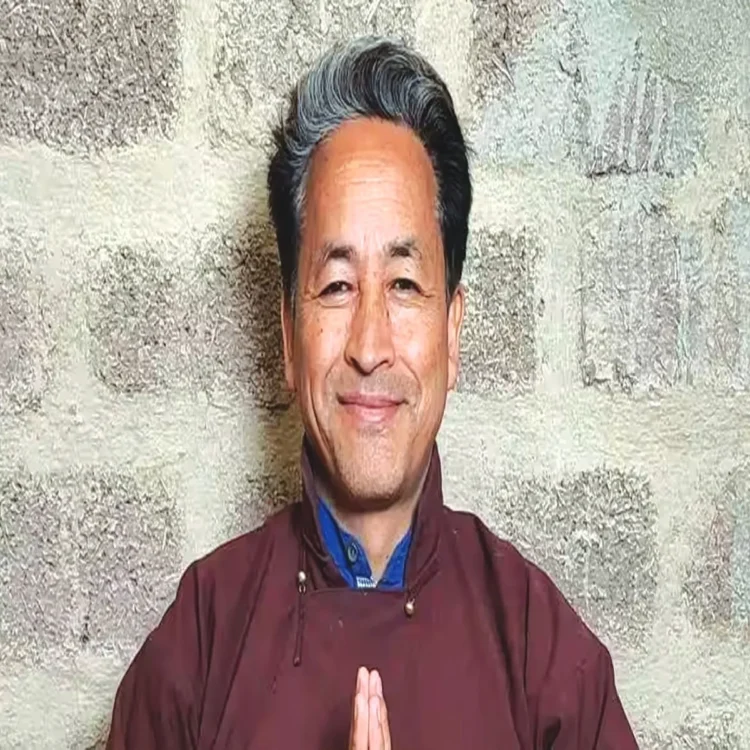
The campaign, promoted by the self-described Cockroach Janata Party (CJP), has emerged as a symbolic online protest focused on issues such as unemployment, examination paper leaks, and demands for greater public accountability. Organisers of the movement have also alleged that some of their social media accounts were suspended or compromised during the campaign.
Wangchuk Describes Campaign as Democratic Feedback
Speaking in an interview with PTI on Saturday, Wangchuk said the movement should not be viewed as a threat to authority. Instead, he described it as a creative and peaceful form of democratic participation by young people.
The Ladakh-based activist praised the campaign’s symbolic use of the “cockroach” image, calling it an example of resilience and satire in public discourse. He remarked that governments should pay attention to the message being communicated rather than targeting those expressing criticism online.
Wangchuk also jokingly referred to himself as an “honorary cockroach” while clarifying that he did not officially belong to the movement. He said he does not meet the group’s informal identity because he is neither unemployed nor inactive, but added that he supports the broader concerns being raised by the youth.
Background Behind the Online Protest
The CJP movement gained visibility after controversy surrounding remarks attributed to Chief Justice of India Surya Kant during a hearing related to senior advocate designations. Reports had claimed that the CJI used the words “parasites” and “cockroaches” while reprimanding a lawyer. However, the Chief Justice later clarified that his comments were being misrepresented and were aimed specifically at people allegedly entering the legal profession using fake academic qualifications.
Following the debate, the “cockroach” symbol began circulating online as a form of protest and social commentary. Supporters of the movement have since used humour, satire, and digital content to highlight concerns over governance and opportunities for young people.
Comparison Drawn With Political Cartoons
Wangchuk compared the movement’s style of expression to political cartoons traditionally published in newspapers. According to him, satire has long been part of democratic culture and should not be treated as dangerous.
He argued that caricatures and symbolic criticism directed at political leaders are commonly accepted in democratic societies and that similar online expressions should also be understood as feedback rather than hostility.
The activist further said that India’s young population deserves appreciation for choosing peaceful and imaginative methods to communicate frustration instead of turning to aggressive street protests.
Concerns Over Online Restrictions
During the interview, Wangchuk expressed concern over reports that social media accounts connected to the campaign were allegedly being restricted or removed. He warned that limiting online expression could deepen resentment among frustrated youth.
Drawing parallels with political unrest in Nepal, he said suppressing digital platforms and peaceful communication can sometimes push people toward more extreme reactions. According to him, allowing open dialogue online is important for maintaining social stability and democratic trust.
Wangchuk stressed that the concerns highlighted by the campaign, particularly repeated allegations involving examination paper leaks and accountability failures, should not be ignored. He noted that in many countries, public officials face serious scrutiny or even resignations over such controversies.
Appeal for Peaceful Engagement
The environmentalist said the campaign reflects genuine anxiety among young Indians who are attempting to make their voices heard before frustrations intensify further. He urged authorities to respond with sensitivity and constructive engagement.
At the same time, Wangchuk appealed to the youth to continue expressing themselves peacefully and avoid violence under any circumstances. He said India’s democratic strength lies in creative and non-violent participation, adding that the country should encourage such forms of civic expression rather than discourage them.
He concluded by saying that the innovative nature of the movement demonstrates the creativity of India’s younger generation and should be seen as an opportunity to strengthen democratic dialogue in the country.