
Rath Yatra – Puri Temple Administration Finalises Plans for Major Festivals
Rath Yatra – The Shree Jagannath Temple administration has completed key planning measures for the upcoming Snana Purnima and Rath Yatra celebrations, with authorities focusing on ritual schedules, operational arrangements, and crowd management to ensure the smooth conduct of the annual religious events in Puri.
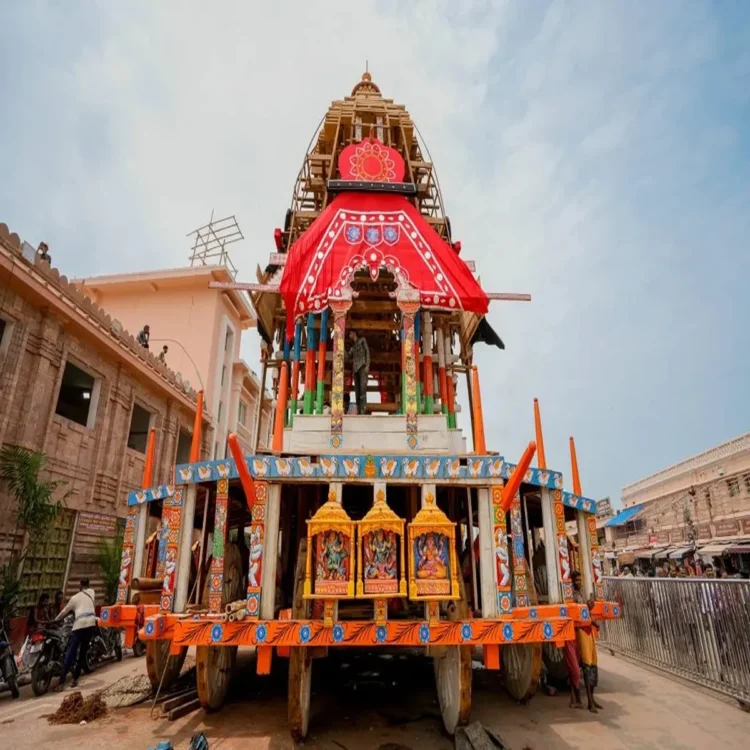
The administration of the Shree Jagannath Temple has stepped up preparations for two of the most significant events on Odisha’s religious calendar. On Monday, Chief Administrator Arabinda K. Padhee announced that detailed discussions had been held to finalize ceremonial schedules and administrative measures ahead of Snana Purnima and the world-famous Rath Yatra.
Ritual Calendar and Administrative Planning Completed
According to temple officials, a high-level review meeting was convened to approve the sequence of rituals and establish the framework for festival management. Authorities examined various logistical requirements, including security arrangements, movement of devotees, and operational procedures required during the celebrations.
Padhee stated that all essential ritual timelines have been finalized. He also noted that the ongoing inventory work related to the Ratna Bhandar has been temporarily suspended so that administrative resources can remain focused on festival preparations. The inventory process is expected to continue after the major religious events conclude.
Extensive Arrangements for Devotee Management
Every year, the festivals attract hundreds of thousands of pilgrims from across India and abroad. Recognizing the scale of participation, temple authorities are coordinating multiple departments to oversee crowd regulation, public safety, and ceremonial activities.
Officials are working to ensure that devotees can participate in the festivities in an orderly and secure environment. Special attention is being given to transportation planning, movement around the temple town, and coordination among civic agencies involved in the celebrations.
Significance of the Jagannath Rath Yatra
The Rath Yatra is among the most revered Hindu festivals and holds immense spiritual importance. During the event, Lord Jagannath, Lord Balabhadra, and Devi Subhadra are ceremonially brought out of the temple and placed on massive, beautifully decorated wooden chariots.
The deities are then taken in a grand procession to the Gundicha Temple, a sacred site associated with Lord Jagannath’s traditional visit to his birthplace. The journey, also known as the Shree Gundicha Yatra, is considered one of the most important religious processions in the country.
Sacred Journey Draws Massive Crowds
A defining feature of the festival is the participation of devotees who pull the giant chariots through the streets of Puri. The spectacle attracts large gatherings of pilgrims who consider the act a sacred opportunity to seek divine blessings.
After reaching the Gundicha Temple, the deities remain there for approximately one week. The stay forms an important part of the festival before preparations begin for their return journey.
Bahuda Yatra Marks the Return Procession
The concluding phase of the celebrations is known as Bahuda Yatra. During this return procession, Lord Jagannath’s Nandighosha chariot, Lord Balabhadra’s Taladhwaja chariot, and Devi Subhadra’s Darpadalan chariot travel back to the main temple.
The event is regarded as both a deeply spiritual observance and a major cultural attraction, drawing visitors eager to witness the final stages of the festival.
Adhara Panna Ritual Remains a Key Attraction
Among the many traditions associated with Rath Yatra, the Adhara Panna ritual occupies a special place. The ceremony involves offering a sacred beverage prepared from milk, sugar, and other ingredients to the deities.
The offering is placed in specially crafted earthen vessels and presented while the deities remain on their chariots. Once the ritual is completed, the pots are traditionally broken on the chariots, marking the conclusion of the ceremony.
A Historic Pilgrimage Centre
The Shree Jagannath Temple stands among India’s most respected pilgrimage destinations and is dedicated to Lord Jagannath, a revered form of Lord Vishnu. Constructed in the 12th century under the patronage of King Anantavarman Chodaganga Deva, the temple is widely recognized for its remarkable Kalinga architectural style and enduring religious significance.