
Railways – Major Tirupati Rail Expansion Projects Move Towards Construction
Railways – Two important railway infrastructure projects in the Tirupati region have moved a step closer to execution after authorities completed the land acquisition process and advanced preparations for construction. Together valued at nearly Rs 1,250 crore, the projects are expected to improve rail operations and reduce congestion on one of the busiest railway networks in southern India.
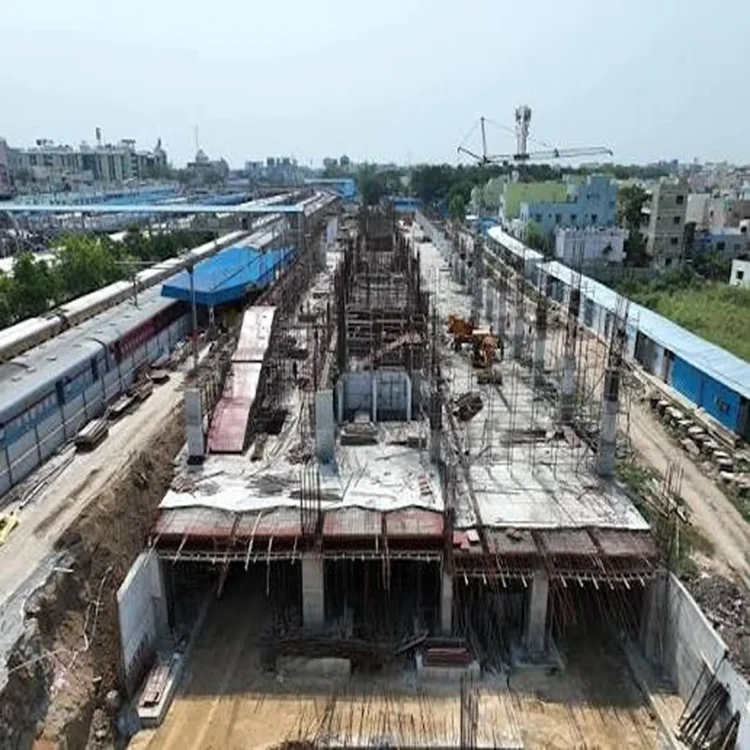
Land Acquisition Process Reaches Final Stage
The South Coast Railway has issued the final notification for acquiring land across five villages needed for the Yerpedu-Pudi railway bypass line and the Gudur-Renigunta third railway line. With the acquisition process largely completed, officials can now focus on on-ground construction activities and project implementation.
The developments mark a significant milestone for both projects, which have been planned to address increasing rail traffic and operational bottlenecks in the region. Railway authorities have already initiated tender-related procedures and awarded key contracts to accelerate the next phase of work.
Relief Expected for Tirupati-Bound Passengers
The upcoming railway improvements are expected to benefit thousands of passengers who travel to Tirupati every day, including pilgrims visiting Tirumala for darshan at the famous temple. Currently, train services on the Gudur-Renigunta section often experience delays because of heavy traffic movement and limited track capacity.
Many travelers spend considerably more time on their journey than required due to congestion on the route. Railway officials believe the new infrastructure will help streamline train movement, resulting in shorter travel times and improved passenger convenience.
Progress on Key Railway Projects
Authorities have floated tenders for the Yerpedu-Pudi bypass line project, which carries an estimated cost of around Rs 350 crore. Meanwhile, contracts have already been awarded for the Gudur-Renigunta third-line project, valued at approximately Rs 900 crore, allowing construction agencies to begin mobilising manpower and equipment.
The two projects are expected to play an important role in strengthening railway connectivity while supporting future growth in passenger and freight traffic across the corridor.
Renigunta Junction Set to Benefit
Renigunta Junction serves as a crucial railway hub connecting northern India with major destinations in southern states, including Tamil Nadu and Kerala. Due to the high volume of train operations, the station frequently faces congestion, affecting schedules of several long-distance services.
The proposed Yerpedu-Pudi bypass line will provide an alternative route for selected trains, enabling them to avoid entering Renigunta station altogether. This is expected to reduce operational pressure on the junction while improving overall network efficiency.
Additional Track to Increase Corridor Capacity
The Gudur-Renigunta third-line project covers a stretch of about 75 kilometres and includes important sections between Renigunta and Srikalahasti, Srikalahasti and Venkatagiri, and Venkatagiri and Gudur. The new track will expand capacity on the high-density route and support smoother train operations.
Once completed, the additional line will help passenger and freight trains move more efficiently by reducing waiting times for crossings and overtaking movements. Railway officials expect the project to improve punctuality and operational flexibility across the corridor.
Construction Activity Expected to Accelerate
According to senior railway officials associated with project implementation in the Tirupati region, major hurdles related to land acquisition have largely been resolved. With administrative clearances progressing and groundwork preparations underway, construction activity is expected to gain momentum in the coming months.
The completion of these projects is anticipated to deliver long-term benefits by increasing rail capacity, improving travel efficiency, and supporting the growing transportation needs of the region.