
Politics – Haryana Assembly to Hold Special Session on Employee Promotion Reform Bill
Politics – The Haryana government has announced a special one-day session of the state Assembly on April 27, where a key legislative proposal concerning the career advancement of Group D employees is expected to be introduced.
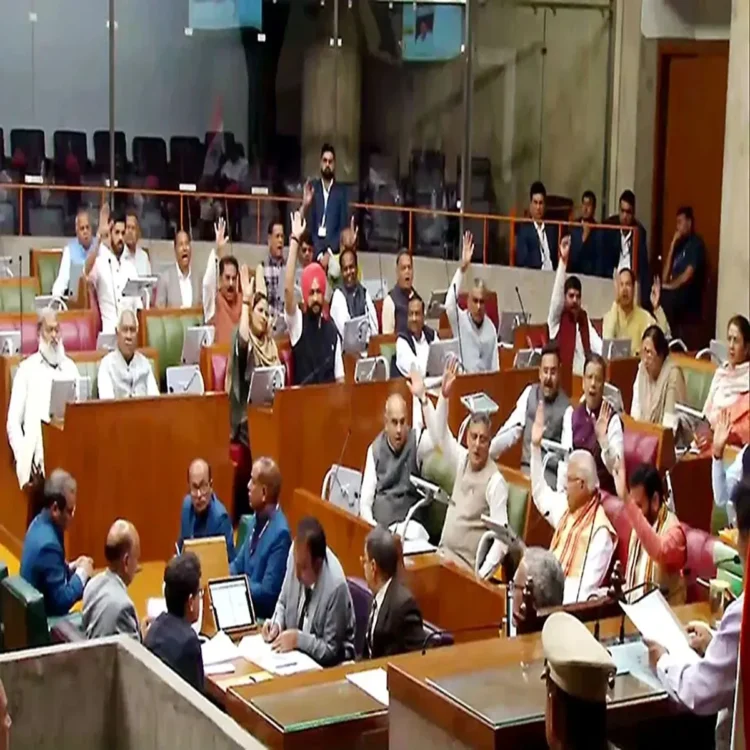
Focus on Promotion Policy Changes
Chief Minister Nayab Saini confirmed that the proposed Haryana Clerical Service Bill, 2026, has received approval in draft form and will be tabled during the session. The legislation aims to improve promotion opportunities for Group D staff who have completed at least five years of service.
According to the Chief Minister, the bill proposes raising the promotion quota for clerical positions from the existing 20 percent to 30 percent. This move is expected to provide greater upward mobility for employees working in lower administrative roles. In addition, the bill includes a provision for a 5 percent reservation under the ex gratia policy, further widening access for eligible candidates.
Officials believe that these changes could significantly impact workforce morale and administrative efficiency by offering clearer career progression pathways.
Special Session to Address Political Developments
Apart from the employment-related legislation, the Assembly session is also set to witness political developments. The ruling Bharatiya Janata Party government plans to introduce a censure motion against opposition parties.
This move comes in response to the defeat of the Constitution (131st Amendment) Bill in the Lok Sabha. The proposed amendment, backed by the Union government, aimed to revise aspects of delimitation and facilitate the implementation of women’s reservation.
The state government has taken a strong stance on the issue, framing the opposition’s position as a setback to gender representation in governance.
Debate Over Women’s Representation
Speaking to the media, the Chief Minister criticized opposition parties for their stance on the bill, stating that it undermines efforts toward women’s empowerment. He argued that women are increasingly contributing across sectors, from household responsibilities to national development, and legislative support is essential to strengthen their participation.
The remarks reflect a broader political debate over the role of policy in advancing gender equality. While the government has positioned itself as a proponent of women-centric reforms, opposition parties have raised concerns over the specifics of implementation and broader constitutional implications.
Cabinet Decision and Strategic Location
The decision to convene the special Assembly session was taken during a Cabinet meeting held in Gurugram. Notably, this was the first time a Cabinet meeting took place in the city, signaling a strategic shift toward highlighting Gurugram as a hub for economic and administrative activity.
Officials indicated that the choice of location aligns with the government’s efforts to promote investment and strengthen regional development. Hosting key meetings outside the state capital is seen as part of a broader initiative to decentralize governance and bring administrative focus to emerging urban centers.
Broader Implications of the Session
The upcoming session is expected to address both administrative reforms and political narratives. The proposed changes in promotion policy could have long-term implications for thousands of government employees, while the political discussions may influence public discourse ahead of future electoral developments.
Observers note that the combination of governance measures and political positioning makes this session particularly significant. As the state prepares for the Assembly proceedings, attention will remain on how these proposals are debated and received across party lines.