
Parliament – Women’s Reservation Bill Stalls Amid Political Dispute Over Delimitatio
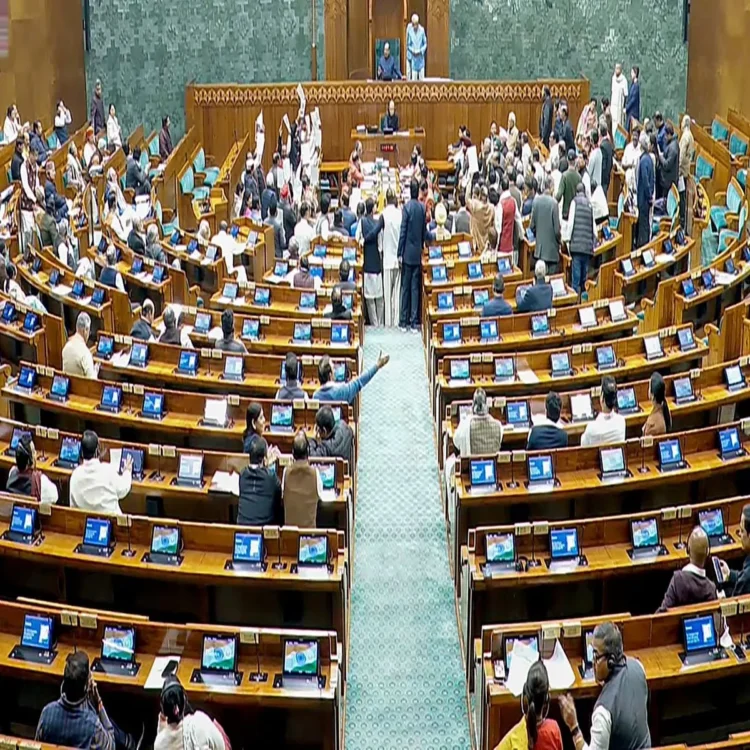
Parliament – The debate over the Women’s Reservation Bill has intensified after it failed to progress in Parliament, with sharp reactions emerging from multiple political quarters. Bharat Rashtra Samithi (BRS) Working President KT Rama Rao has placed the responsibility for the setback squarely on the Bharatiya Janata Party (BJP), accusing the ruling party of mishandling the legislative process.
Disagreement Over Linking Bill to Delimitation
Rama Rao argued that the primary reason behind the Bill’s failure was the decision to connect it with the issue of delimitation. According to him, this move introduced unnecessary complexity into what could have been a straightforward legislative step. He maintained that there was broad consensus among political parties, including the BRS, in favour of ensuring reservations for women in legislative bodies.
He suggested that the reservation could have been implemented within the current framework of 543 Lok Sabha seats. Instead, he said, the decision to tie it to delimitation delayed progress and prevented immediate action on enhancing women’s representation.
Allegations of Political Strategy
The BRS leader further alleged that the ruling party’s approach was politically motivated. He claimed that the issue of women’s reservation was used to create a narrative rather than deliver results. In his view, linking the Bill with delimitation allowed the government to avoid immediate implementation while projecting commitment to the cause.
Rama Rao also stated that this strategy ultimately deprived women of an opportunity to gain representation in the near term. He described the situation as a missed milestone in advancing gender equality in Indian politics.
Concerns from Southern States
Another key concern raised by Rama Rao relates to the potential impact of delimitation on southern states. He pointed out that several regional parties have expressed apprehension that a nationwide delimitation exercise could reduce the parliamentary representation of states in the south.
He argued that combining women’s reservation with such a sensitive and unresolved issue risked sidelining regional concerns. According to him, this approach has led to resistance and contributed to the Bill’s inability to move forward.
Call for Separate Legislation
Rama Rao has called on the central government to introduce a fresh Women’s Reservation Bill without linking it to delimitation. He urged that the legislation be implemented from the next election cycle to demonstrate genuine intent.
He also stressed that delimitation requires detailed consultation and consensus-building, given its long-term implications for the country’s federal structure. Moving forward without adequate discussion, he warned, could create further political friction.
Telangana Representation Issue Raised
In addition to the national debate, Rama Rao highlighted a state-specific concern regarding Telangana. He reiterated that increasing the number of Assembly seats in the state is a provision under the Andhra Pradesh Reorganisation Act and should be addressed independently.
He questioned why the Centre has moved forward with seat increases in regions like Jammu and Kashmir and Assam without linking them to a nationwide delimitation exercise, while Telangana’s case remains unresolved. He demanded that a separate Bill be introduced during the current Parliament session to address this issue before 2028.
Broader Political Message
Rama Rao concluded that the developments surrounding the Women’s Reservation Bill should serve as a lesson on the importance of inclusive decision-making. He emphasized that sensitive national issues require dialogue and consensus rather than unilateral action.
He urged the government to reconsider its approach and prioritise effective implementation of women’s reservations without attaching additional conditions that could delay progress.