
MSP – Centre Approves Plan to Expand Procurement Access for Farmers Across States
MSP – The Union government has accepted key recommendations from a Parliamentary committee aimed at widening the reach of the Minimum Support Price (MSP) procurement system, a move expected to bring more farmers from different states under the assured price mechanism.
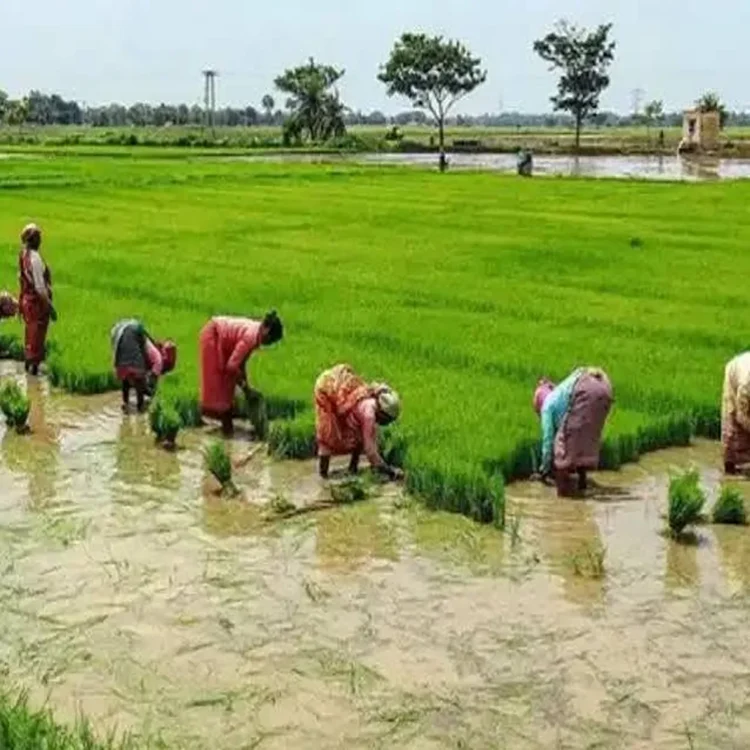
The decision follows the recommendations presented in the 17th report of the Parliamentary Committee led by Kanimozhi Karunanidhi. The panel acknowledged the progress made in streamlining procurement through digital systems and welcomed the implementation of the “One Nation, One MSP” initiative, which has simplified the payment process for farmers. Under the current arrangement, eligible farmers receive payments directly into their Aadhaar-linked bank accounts within 48 hours after selling their produce.
Committee Calls for Wider Procurement Coverage
While appreciating recent reforms, the committee observed that several states still depend on the traditional centrally managed procurement system for major crops such as wheat and paddy. It urged the Centre to speed up the rollout of the decentralised procurement model, allowing more states to participate directly and enabling a larger farming community to benefit from MSP operations.
The government has accepted this recommendation and indicated that efforts will be made to implement the proposed expansion. Officials believe that increasing state participation could improve procurement efficiency while extending assured market access to more cultivators.
Focus on Modern Storage and Cold Chain Facilities
Apart from procurement reforms, the committee highlighted the need to strengthen agricultural infrastructure, particularly for perishable crops. It recommended greater investment in modern warehouses, scientific storage systems, and an expanded cold chain network to reduce post-harvest losses and improve supply management.
The report pointed out that crops such as onions and tomatoes are especially vulnerable to damage after harvesting because of inadequate storage capacity and disruptions in transportation. These shortcomings often reduce market availability and contribute to sudden increases in retail prices.
Action Taken Report Repeats Infrastructure Concerns
In a separate Action Taken Report, the committee once again stressed the importance of improving storage facilities and cold chain logistics for perishable produce. It noted that insufficient post-harvest management continues to result in significant losses, affecting both farmers’ earnings and consumer prices.
The panel said that strengthening storage infrastructure would help preserve crop quality for longer periods while ensuring a more stable supply throughout the year. Such improvements could also reduce seasonal price volatility in essential vegetables.
Government Shares Progress on Storage Improvements
According to figures cited by the concerned department, nearly 5.31% of onion production and around 8.37% of tomato production are lost after harvest due to improper handling and weak post-harvest management practices.
To tackle these challenges, the government has introduced several measures focused on scientific storage and better infrastructure. One of the major initiatives under the Price Stabilisation Fund has been the establishment of onion storage facilities in Nashik and other important production districts.
Government data suggests that these interventions have produced encouraging results. The proportion of onions remaining fit for use after storage increased from approximately 63% during the 2024-25 season to nearly 72% in 2025-26. Officials attribute the improvement to upgraded storage techniques and better preservation practices that help maintain crop quality for extended periods.
The Centre believes that continued investment in storage facilities, cold chain infrastructure, and decentralised procurement can improve market efficiency, reduce wastage, and ensure that farmers receive timely benefits while consumers experience greater price stability.