
Karnataka- Reopens Bandipur and Nagarahole Safari Operations After Scientific Assessment
Karnataka- The Karnataka government has approved the complete reopening of jungle safari operations at the Bandipur and Nagarahole Tiger Reserves after accepting the recommendations of a Technical Committee that evaluated the parks’ scientifically determined visitor carrying capacity. Officials said safari activities will now continue under regulated guidelines aimed at protecting wildlife while allowing visitors to experience the reserves responsibly.
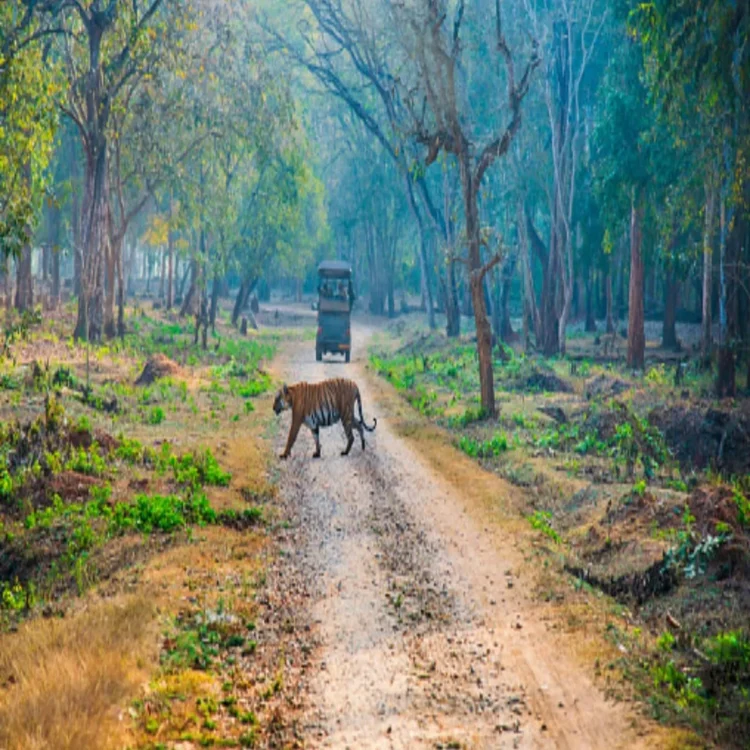
Government Approves Expert Recommendations
According to an official statement, the Technical Committee, comprising experts and government officials, conducted a detailed assessment before submitting its report. After reviewing the findings, the state government directed forest authorities to resume safari operations in accordance with the committee’s recommendations. The decision is intended to balance tourism with environmental protection through carefully monitored visitor management.
Focus on Sustainable Eco-Tourism
Karnataka has long promoted eco-tourism as an important part of its conservation strategy. The government stated that responsible tourism not only helps preserve forests and wildlife but also creates employment opportunities for people living near protected areas. Authorities reiterated that future tourism activities will continue to prioritize ecological sustainability while supporting local communities and enhancing the experience of visitors.
Background of the Temporary Suspension
Safari services at Bandipur and Nagarahole were temporarily suspended in November last year after several incidents involving wildlife raised serious safety concerns. During a discussion in the Karnataka Legislative Assembly earlier this year, Forest and Environment Minister Ishwar B. Khandre explained that the decision was taken to safeguard human lives following multiple attacks involving wild animals.
The issue was raised after the Leader of the Opposition questioned the suspension, stating that thousands of people associated with tourism had lost their livelihoods. Concerns were also expressed that safari services should not have been halted without a detailed assessment.
Safety Measures Led to the Decision
Responding to the criticism, the forest minister maintained that the suspension was a necessary precaution rather than a sudden move. He informed the Assembly that within a short period, three people lost their lives and another suffered permanent disability due to wildlife-related incidents. According to the minister, tigers had been moving beyond forest boundaries, increasing the risk to nearby residents and visitors.
He also said that discussions held in Chamarajanagar with farmers’ organisations highlighted growing concerns about extended safari timings, heavy vehicle movement, and rising tourist numbers. Local residents believed these factors were disturbing wildlife and contributing to increased animal movement outside forest areas.
Strengthened Protection Before Reopening
Before allowing safari operations to resume, the Forest Department introduced several measures to improve safety and wildlife management. Officials strengthened surveillance across the 314-kilometre boundary of Bandipur, identifying nearly 100 kilometres as a high-conflict zone. Twenty-five anti-poaching camps were established, additional personnel were deployed for extended patrols, and a comprehensive command centre was made operational to improve monitoring and emergency response.
The minister stated that safari activities have now resumed only after these preventive arrangements were fully implemented. The government believes the new system will help reduce risks while ensuring that tourism continues in a responsible and environmentally sustainable manner.