
Wellness – Why Gen Z Is Turning to Vastu for Everyday Peace and Balance
Wellness – In today’s digital-first world, many young adults are searching for practical ways to create calmer, healthier environments that support their daily lives.
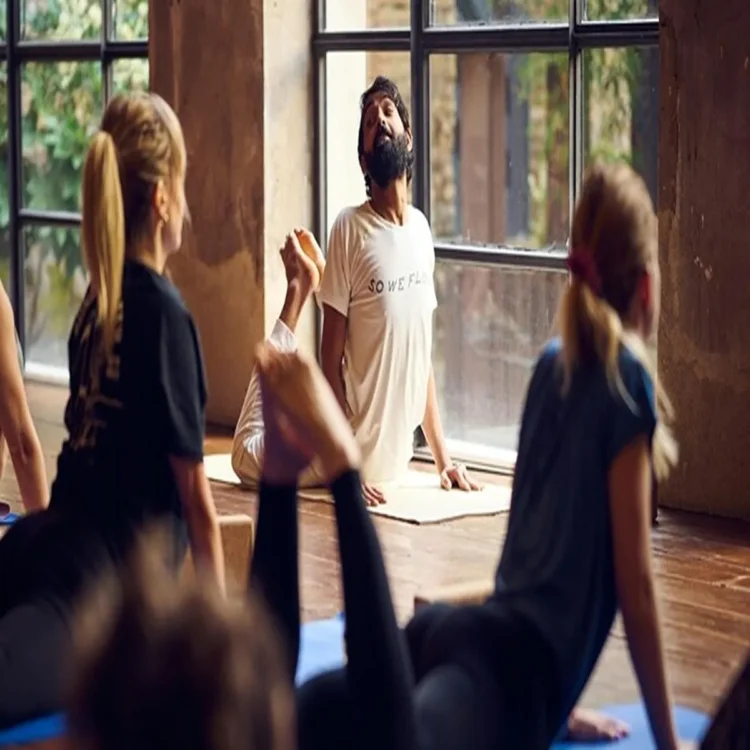
For a generation that spends much of its time navigating social media, academic expectations, career ambitions and an uncertain future, maintaining emotional balance has become increasingly important. Alongside meditation, yoga and mindfulness practices, many members of Gen Z are now exploring Vastu Shastra as a way to create living spaces that encourage calmness, focus and overall well-being.
Growing Interest in Balanced Living
According to Gurudev Vikrant Jain, Chairman and Founder of the Indian Institute of Vedic Science, younger people are no longer viewing Vastu solely as a traditional practice linked to home design. Instead, many see it as a practical approach to organising personal spaces in ways that may contribute to a more peaceful and comfortable lifestyle.
As work, education and leisure activities increasingly take place within the same room, creating an organised and harmonious environment has become more relevant than ever. For many young adults, improving their surroundings is considered one step toward supporting mental wellness.
Digital Life Brings New Challenges
Modern lifestyles revolve around smartphones, laptops and constant online connectivity. Although technology offers convenience and greater access to information, it has also introduced new sources of stress, frequent distractions and reduced opportunities for mental relaxation.
Many students and young professionals spend long hours in rooms that function as offices, classrooms and bedrooms at the same time. Over time, crowded layouts and unnecessary clutter can make these spaces feel overwhelming. This has encouraged many individuals to look for simple methods that help create a more organised atmosphere.
Focus on Energy and Everyday Comfort
One reason Vastu has attracted younger audiences is its emphasis on maintaining balance within living spaces. Rather than concentrating only on appearance, the practice encourages thoughtful arrangements that promote comfort and functionality.
Many people who follow basic Vastu principles adopt easy habits such as keeping rooms clean, allowing natural sunlight indoors, reducing unnecessary items and separating work areas from relaxation spaces wherever possible. These changes are often viewed as practical ways to build routines that support concentration, restful sleep and a calmer daily experience.
Wellness Trends Support the Shift
The growing popularity of wellness culture has also contributed to the renewed interest in Vastu. Across social media and lifestyle platforms, discussions about self-care, better sleep, healthy routines and emotional well-being have become increasingly common.
Within this broader movement, many young adults see Vastu as another tool that complements healthy lifestyle choices. Instead of focusing only on decorative interiors, they are paying greater attention to how their surroundings influence productivity, relaxation and emotional comfort.
Practical Solutions for Compact Homes
A large number of Gen Z individuals live in rented apartments, shared accommodations, hostels or smaller urban homes where structural changes are not always possible. This makes practical and affordable solutions especially valuable.
Many Vastu-inspired suggestions involve minor adjustments rather than expensive renovations. Rearranging furniture, improving airflow, maintaining an organised study desk, adding indoor plants and ensuring adequate natural light are among the commonly followed practices. Because these changes are relatively simple and inexpensive, they appeal to young people looking to improve their living spaces without major investment.
Social Media Expands Awareness
Digital platforms have played a significant role in introducing Vastu concepts to younger audiences. Short-form videos, blogs, podcasts and online creators regularly share practical ideas that are easy to understand and implement.
Popular recommendations often include keeping study areas tidy, removing unnecessary clutter, creating a quiet corner for relaxation, making better use of daylight and choosing soothing colours for interiors. The accessibility of this information has encouraged more young people to explore Vastu as part of their everyday wellness routines.
As interest in mental well-being continues to grow, Gen Z appears to be combining traditional practices with modern lifestyles, seeking simple ways to build organised, comfortable and peaceful living environments.