
Justice – CJI outlines future vision to make courts more accessible nationwide
Justice – India’s Chief Justice on Tuesday presented a forward-looking roadmap for the country’s judicial system, emphasizing that courts must evolve beyond physical limitations to serve citizens more effectively. Speaking at a memorial lecture, he stressed that the conventional model—where individuals must travel to courts—needs to be replaced with a system that delivers justice more efficiently and fairly.
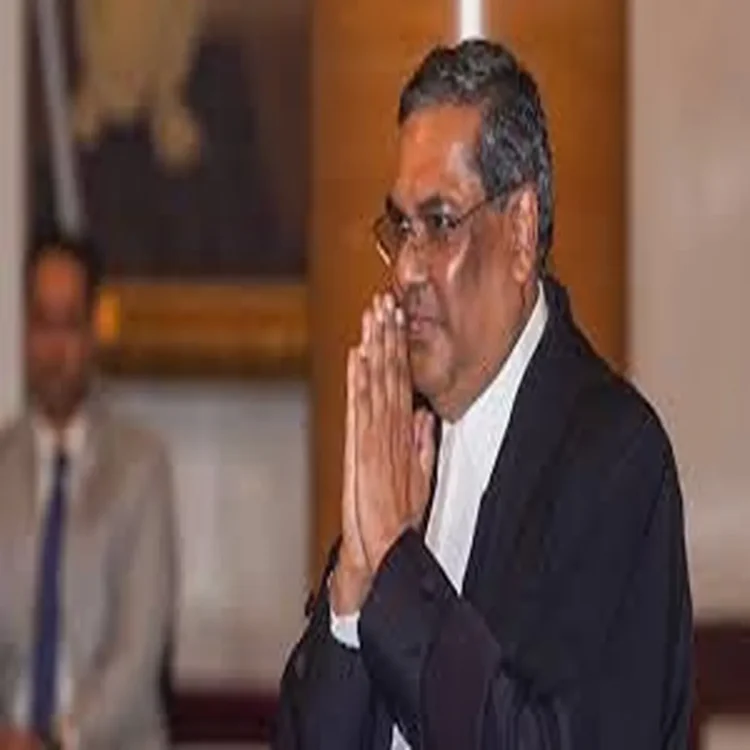
Moving beyond traditional court structures
Addressing the 4th Ashok Desai Memorial Lecture on the theme of the judiciary’s future over the next 50 years, the Chief Justice highlighted the urgent need for change. He noted that in a fast-changing society, access to justice should not depend on a person’s location, financial capacity, or familiarity with complex legal procedures.
According to him, the justice system must transition into a more citizen-centric framework where services are easier to reach and better aligned with modern realities. This shift, he said, is essential to ensure fairness and inclusivity for all sections of society.
Justice delivery must reach people directly
The Chief Justice underlined that the future of justice lies in making it more responsive and integrated into everyday life. Instead of requiring people to approach courts physically, the system should be designed to reach individuals wherever they are.
He explained that such a transformation would make legal processes more accessible and sensitive to the needs of a diverse population. The broader aim is to ensure that justice is not delayed or denied due to logistical challenges or procedural hurdles.
Long-term vision for transparency and accessibility
Looking ahead, the Chief Justice outlined a long-term goal of building a judicial system that is more transparent, efficient, and closely connected to societal needs. Over the next five decades, he said, the focus should be on removing barriers that limit access and improving public trust in the system.
He also pointed out that the nature of legal disputes is becoming increasingly complex, requiring a more adaptive and forward-thinking approach. Courts will need to adopt new frameworks that can handle evolving legal challenges in areas such as technology, environment, and global commerce.
Expanding the role of future judges
Highlighting the changing role of judges, the Chief Justice said that future members of the judiciary must go beyond simply interpreting laws and past judgments. They will need to develop a deeper understanding of emerging disciplines and societal trends.
This broader perspective, he noted, will be crucial in addressing complex disputes and ensuring that legal decisions remain relevant in a rapidly evolving world.
Shift toward digital and paperless systems
The Chief Justice also spoke about the ongoing transition toward a paperless judicial system. While digitisation has already begun, he emphasized that the future will require more comprehensive technological integration.
This includes not just converting documents into digital formats but also rethinking processes to make them faster, more efficient, and user-friendly. Technology, he suggested, will play a central role in reshaping how justice is delivered in the coming years.
Supreme Court takes up disability-related plea
In a related development, the Supreme Court has agreed to examine a petition seeking the introduction of disability-sensitive norms in welfare insurance schemes. The plea calls for guidelines to ensure that such schemes are inclusive and aligned with constitutional protections.
A bench of Justices Vikram Nath and Sandeep Mehta has sought responses from the central government and the Life Insurance Corporation of India. The petition also urges authorities to ensure that policies for persons with disabilities comply with the guarantees of equality and the right to life under Articles 14 and 21 of the Constitution.