
Judiciary – Delhi High Court To Review Limits of Contempt Consent Powers
Judiciary – The Delhi High Court has decided to examine whether a decision made by the Attorney General of India refusing permission to begin criminal contempt proceedings can be challenged through judicial review. The matter has gained attention because different high courts across the country have delivered varying opinions on the legal position surrounding such decisions.
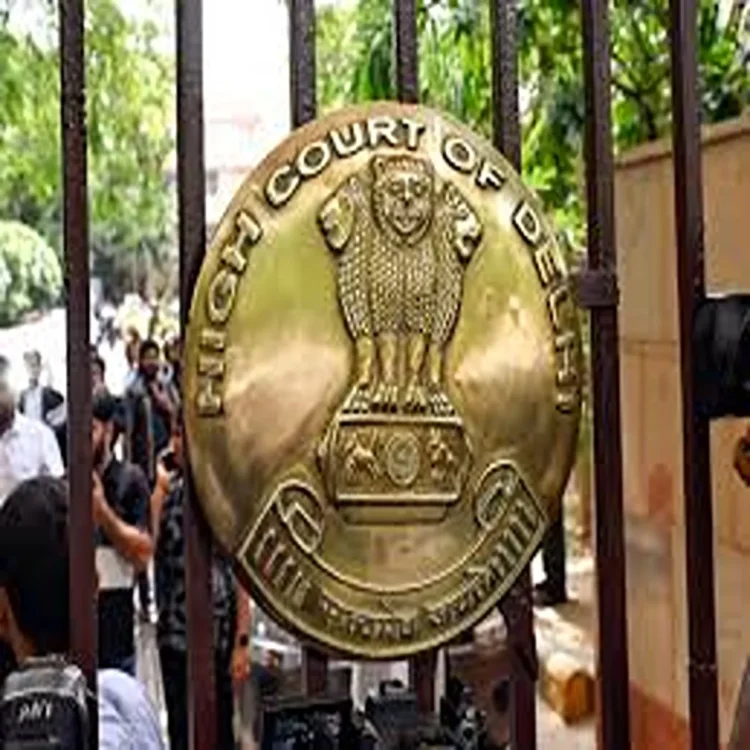
The issue came before Justice Purushaindra Kumar Kaurav, who observed that there is no uniform judicial view on whether an order passed by the Attorney General under Section 15 of the Contempt of Courts Act can be questioned under Article 226 of the Constitution. In an order dated May 13, the court noted that the legal question requires detailed consideration because of the conflicting approaches adopted by different courts.
Petition Challenges Attorney General’s Refusal
The case originated from a petition filed by Venkatesh S, who challenged an order issued on November 30, 2023, by the Attorney General refusing consent to initiate criminal contempt proceedings against several media organisations and journalists.
According to the petition, an article discussing Supreme Court rulings during the tenure of the Narendra Modi government included comments that allegedly undermined the authority of the apex court. The petitioner argued that the published remarks were scandalous in nature and amounted to criminal contempt under the law.
The plea further stated that the article could negatively affect public confidence in the judiciary and therefore warranted contempt proceedings. The petitioner sought intervention from the high court after the Attorney General declined to grant permission for legal action.
Attorney General Cites Free Speech Concerns
While refusing consent, the Attorney General observed that the article represented a particular viewpoint regarding the functioning of both the judiciary and the executive. The law officer indicated that such commentary may fall within the protection of free speech and expression guaranteed under the Constitution.
The order also highlighted that criminal contempt proceedings involve serious legal consequences and should not be invoked casually. According to the Attorney General, contempt jurisdiction must be exercised only in cases where there is clear and intentional conduct aimed at obstructing or lowering the dignity of the court.
The response stressed that criticism or analysis of judicial functioning does not automatically amount to contempt unless it crosses legal boundaries established under the law. This formed a significant basis for refusing permission in the present case.
Constitutional Question Before The Court
The Delhi High Court is now expected to determine whether the refusal issued by the Attorney General can itself be subjected to judicial scrutiny. The court’s examination is likely to focus on the balance between constitutional remedies available under Article 226 and the statutory powers granted under the Contempt of Courts Act.
Legal experts believe the outcome could clarify an important procedural issue linked to contempt proceedings in India. Since high courts have expressed differing opinions on the maintainability of such challenges, the present matter may contribute to a more settled interpretation of the law.
The proceedings are also expected to address broader constitutional principles involving freedom of expression, judicial accountability, and the limits of contempt powers. The court has not yet delivered any final findings on the merits of the petition but has agreed to consider the legal question raised before it.
Broader Impact On Legal Interpretation
The case has drawn interest within legal circles because it concerns the relationship between judicial authority and constitutional protections. Contempt law in India has frequently been debated in relation to press freedom and criticism of judicial institutions.
Any ruling delivered by the Delhi High Court could have implications for future cases involving requests for contempt action against journalists, commentators, or media organisations. It may also provide greater clarity regarding the scope of judicial review when constitutional remedies are invoked against decisions taken by constitutional authorities.