
Intermediary – Meta Faces Fresh Questions Over Algorithmic Content Decisions in India
Intermediary –The Centre’s recent discussions with Meta have raised an important legal question over whether the company’s recommendation algorithms and paid content promotion remain within the scope of an intermediary under Indian law. Government sources said officials are examining whether Meta merely provides a platform for third-party content or plays a more active role by determining which posts are presented to particular users.
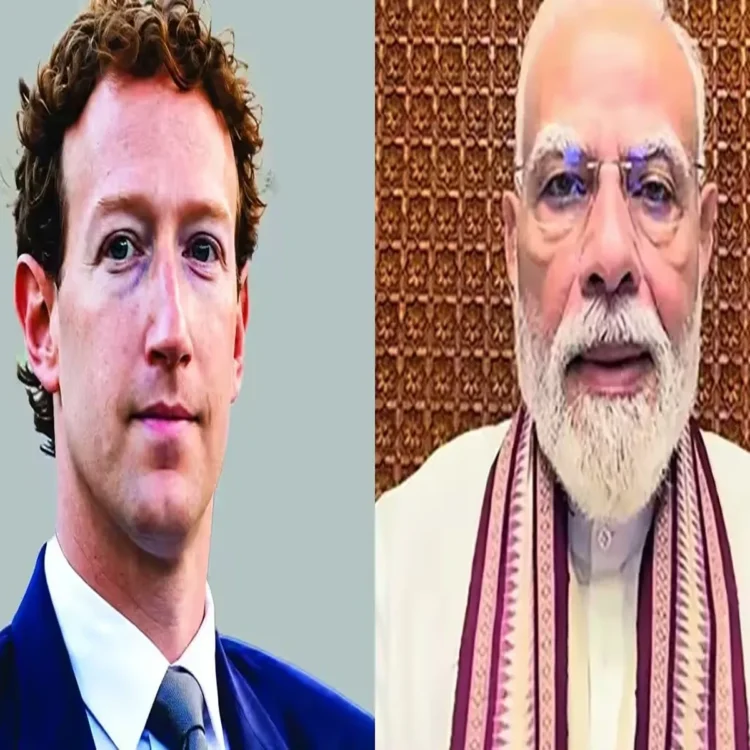
Government Examines Meta’s Intermediary Status
The issue is closely linked to Section 79 of the Information Technology Act, which provides intermediaries with protection from liability for third-party content, provided they meet prescribed legal and due diligence requirements.
According to government sources, concerns could arise if Meta’s systems actively determine what content users see and simultaneously allow content to be promoted through paid arrangements. Officials are assessing whether such functions are compatible with the legal status of an intermediary.
The government’s position is that if a platform exercises significant control over the selection and distribution of content, questions may arise about whether its role extends beyond that of a technology intermediary.
Deepfakes and Synthetic Content Also Discussed
The Centre has also asked Meta to strengthen its response to deepfakes and other forms of harmful synthetic material. Discussions held over the past several days have covered AI-generated content, child sexual abuse material, unlabelled synthetic media and the operation of recommendation systems.
Officials have raised concerns about harmful AI-generated material continuing to circulate or becoming viral even after it has been reported. The government has also questioned why synthetic videos without appropriate labels remain accessible despite provisions under the Information Technology Rules, 2021 requiring such content to be identified.
Greater Human Oversight Sought
Government officials have called for stronger human involvement in content moderation, along with better understanding of Indian languages and regional contexts. The Centre believes these measures are necessary to ensure that moderation decisions take account of local circumstances and legal requirements.
Meta’s officials have outlined measures they intend to take to address the government’s concerns. Officials are expected to maintain regular follow-ups with the company to assess the progress of those measures.
Another round of discussions is expected in the coming week, according to government sources.
Centre Says Objective Is Legal Compliance
Government sources have stressed that the discussions are aimed at ensuring compliance with Indian law rather than introducing censorship. The Centre is expected to review the outcome of its engagements with Meta before deciding whether a formal legal opinion should be sought.
The government is also likely to hold discussions with other major digital platforms as part of its examination of whether companies operating in India meet the statutory definition of an intermediary.
Under Section 79 of the IT Act, read with the IT Rules, intermediaries must follow specified due diligence requirements to retain protection from liability relating to third-party information hosted, shared or transmitted through their services. Failure to meet those obligations can result in the loss of safe-harbour protection and may expose an intermediary to action under applicable laws, including the IT Act and the Bharatiya Nyaya Sanhita.
Meta Officials Met Senior Government Representatives
Meta’s global affairs head Joel Kaplan led the company’s delegation that met Information Technology Minister Ashwini Vaishnaw and IT Secretary S Krishnan on Wednesday and Thursday. The meetings followed government concerns over the temporary restriction of a Facebook post by Prime Minister Narendra Modi.
During the discussions, Meta was questioned about its compliance with Indian laws, algorithmic decision-making and safeguards designed to meet constitutional and legal requirements.
Meta had indicated that it was taking the concerns seriously and working to address issues involving deepfakes, child sexual abuse material, bots and synthetic content.
The company had also apologised over the temporary restriction of Modi’s post. Kaplan said in a written statement that he apologised to the minister on Meta’s behalf for the error. Government sources, however, said the apology was conveyed by Meta CEO Mark Zuckerberg.
A Parliamentary Standing Committee had separately sought an apology from Zuckerberg over the incident and warned that legal protections available to the company could be reconsidered if an apology was not provided within the stipulated period. Modi had originally shared the selfie video on Instagram.