
Infrastructure – Modi Highlights Women’s Bill Push at Corridor Launch Event
Infrastructure – Prime Minister Narendra Modi on Tuesday launched the Delhi-Dehradun Economic Corridor, a major infrastructure project valued at around Rs 12,000 crore, while also using the occasion to underline his government’s focus on development in Uttarakhand and to call for political unity on the Women’s Reservation Bill.
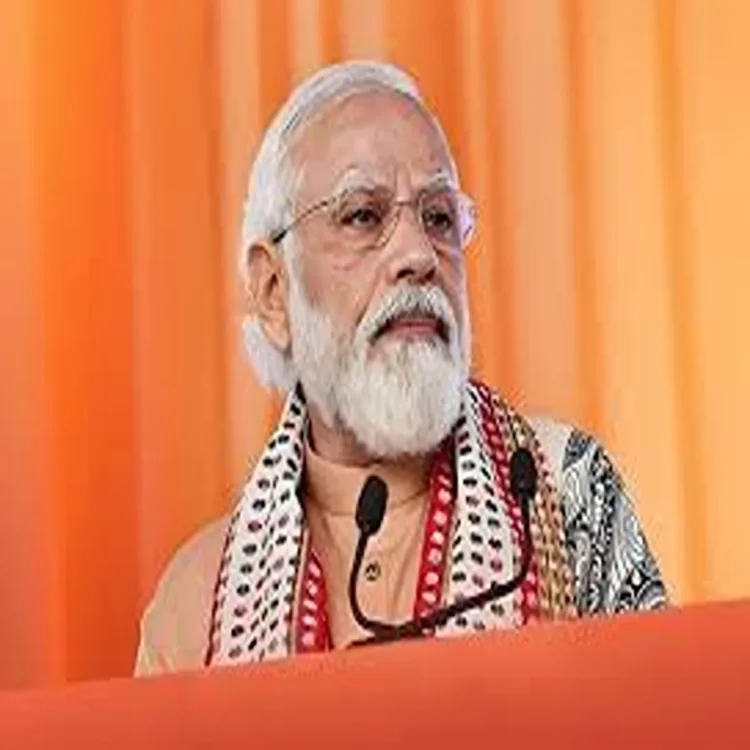
Major boost to regional connectivity
The newly inaugurated corridor is expected to significantly transform travel between Delhi and Dehradun. Spanning approximately 210 kilometres, the highway is designed to cut travel time from the current 6.5 hours to nearly 2.5 hours once fully operational. The improved route will also reduce congestion and enhance road safety, offering smoother connectivity between the national capital and Uttarakhand.
Officials believe the project will strengthen tourism, trade, and local businesses in the region. With better access to the hill state, economic activity is expected to rise, benefiting both urban and rural areas.
Focus on Uttarakhand’s development
During his address, the Prime Minister reiterated the commitment of the central government and the state administration to accelerate growth in Uttarakhand. He referred to the state as “Devbhoomi” and said it continues to play a key role in setting development benchmarks.
He also acknowledged the leadership of the state government, noting its efforts in implementing policy reforms. According to him, coordinated governance between the Centre and the state has helped fast-track infrastructure and welfare initiatives.
Uniform Civil Code highlighted
The Prime Minister praised Uttarakhand for becoming the first state to implement the Uniform Civil Code. He described this step as an important milestone and suggested that it could serve as a model for other states.
He stated that a uniform legal framework is in line with constitutional values and reflects a broader national expectation. The move, he said, demonstrates how progressive reforms can be carried out effectively at the state level.
Renewed call for Women’s Reservation Bill
A significant part of the Prime Minister’s speech focused on the proposed Women’s Reservation Bill, which seeks to ensure 33 percent representation for women in legislative bodies. He urged political parties across the country to support the measure unanimously.
Addressing the gathering, he emphasized that the issue goes beyond politics and concerns the rights and participation of women in governance. He appealed to leaders from all parties to come together and ensure that the legislation moves forward without delay.
Appeal to women across the country
The Prime Minister mentioned that he had written a letter addressed to women nationwide, seeking their support for the proposed reforms. He encouraged women to read the letter and actively participate in shaping the future of the country.
He also stressed that women’s representation should not be postponed and must be implemented in a timely manner. According to him, the demand for greater participation reflects the aspirations of a large section of society.
Timeline for implementation discussed
Referring to upcoming political milestones, he pointed out that the next general elections are scheduled for 2029, followed by various state assembly elections. He expressed the view that the reservation policy should come into effect before these elections.
He added that ensuring representation for women is a national priority and aligns with the broader goal of inclusive governance. The Prime Minister also noted that discussions on the matter are expected to take place in Parliament soon, urging all stakeholders to approach the issue with consensus.
A combined vision of growth and inclusion
The event brought together two major themes—development through infrastructure and social progress through policy reform. By launching a key highway project and advocating for legislative changes, the Prime Minister outlined a vision that combines economic growth with greater inclusivity.
The Delhi-Dehradun Economic Corridor stands as a significant step in improving connectivity, while the renewed push for women’s representation highlights ongoing efforts to strengthen democratic participation.