
IsraelPakistanRelations – Pakistan Reaffirms Opposition to Abraham Accords With Israel
IsraelPakistanRelations – Pakistan has once again made its position clear on relations with Israel, with Defence Minister Khawaja Asif stating that Islamabad has no intention of becoming part of the Abraham Accords. His comments reinforced the country’s long-standing policy of linking any recognition of Israel to the creation of an independent Palestinian state.
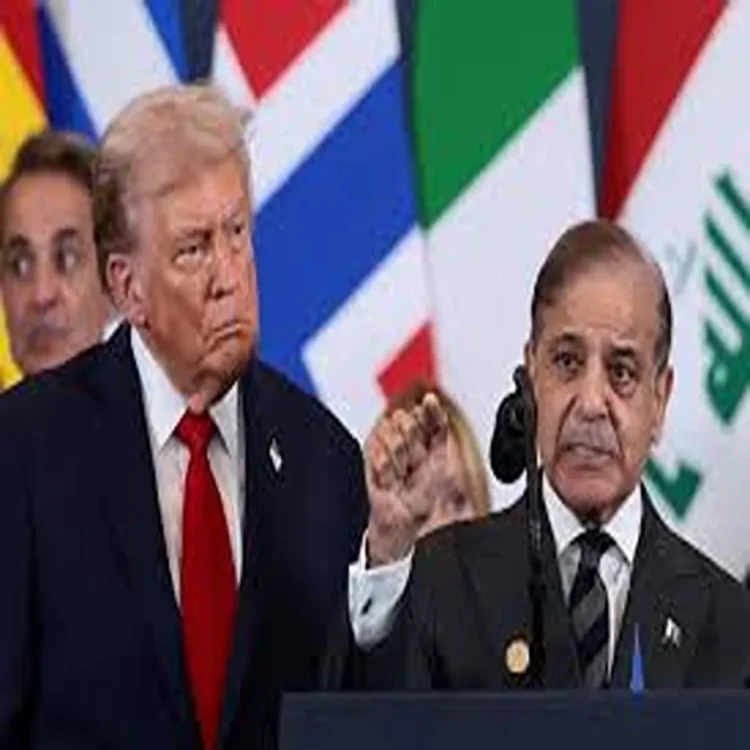
Pakistan Maintains Traditional Position
Speaking during a television interview on Monday evening, Asif said he personally opposed joining any international arrangement that contradicts Pakistan’s core political and ideological principles. He stressed that Pakistan’s stance on Palestine has remained unchanged for decades and continues to guide its foreign policy decisions.
The minister’s remarks came shortly after former US President Donald Trump encouraged countries engaged in regional diplomatic discussions, particularly those connected to Iran-related negotiations, to support the Abraham Accords. The agreements were originally introduced to improve diplomatic, economic and security relations between Israel and several Arab nations.
Debate Around Abraham Accords Continues
The Abraham Accords were signed in 2020 and resulted in the United Arab Emirates and Bahrain formally establishing ties with Israel. Since then, discussions have continued regarding the possibility of other Muslim-majority nations joining the framework.
Trump has previously mentioned countries such as Saudi Arabia, Qatar, Pakistan, Turkiye, Egypt and Jordan as potential participants in future agreements. However, Pakistan’s leadership has repeatedly indicated that its approach remains tied to developments surrounding Palestinian statehood.
During the interview, Asif underlined that Pakistan would not recognise Israel until Palestinians are granted an independent state based on pre-1967 borders, with East Jerusalem serving as its capital. According to him, this condition is central to Islamabad’s diplomatic policy and is not open to compromise.
Concerns Over Trust and Regional Conflict
The defence minister also questioned Israel’s reliability in regional affairs, expressing doubts about entering into agreements with a country he believes lacks credibility in international commitments. His remarks reflected broader concerns within Pakistan regarding ongoing tensions in the Middle East and the humanitarian situation affecting Palestinians.
Asif further referred to Pakistan’s passport policy, which specifically states that the document cannot be used for travel to Israel. The policy has long been viewed as a symbolic reflection of Pakistan’s refusal to establish official diplomatic relations with the Israeli government.
Strong Statements on Israel in Recent Months
The minister has consistently voiced strong criticism of Israel’s actions in the region. In recent public statements, he accused Israel of committing severe human rights violations and condemned military operations affecting civilians in Gaza and surrounding areas.
His latest comments are expected to resonate with political and religious groups in Pakistan that strongly support the Palestinian cause. Public opinion in the country has historically favoured maintaining distance from Israel until a comprehensive settlement is reached between Israelis and Palestinians.
Regional Diplomacy Remains Complex
Analysts believe Pakistan’s position is unlikely to change in the near future, especially as conflict and instability continue across the Middle East. While some countries have pursued closer engagement with Israel under the Abraham Accords framework, others continue to insist that lasting peace depends on resolving the Palestinian issue first.
The debate surrounding the accords remains politically sensitive across many Muslim-majority nations. For Pakistan, officials continue to argue that recognition of Israel without a clear pathway toward Palestinian sovereignty would contradict both public sentiment and established foreign policy priorities.