
Kidney Health – Monsoon Dehydration Can Quietly Raise the Risk of Kidney Problems
Kidney Health – Many people believe the arrival of the monsoon reduces the need to drink enough water because the weather becomes cooler. While lower temperatures may reduce the feeling of thirst, health experts caution that the body can still lose a significant amount of fluid during this season. Reduced water intake, combined with high humidity and seasonal infections, may quietly increase the risk of dehydration, placing unnecessary stress on the kidneys.
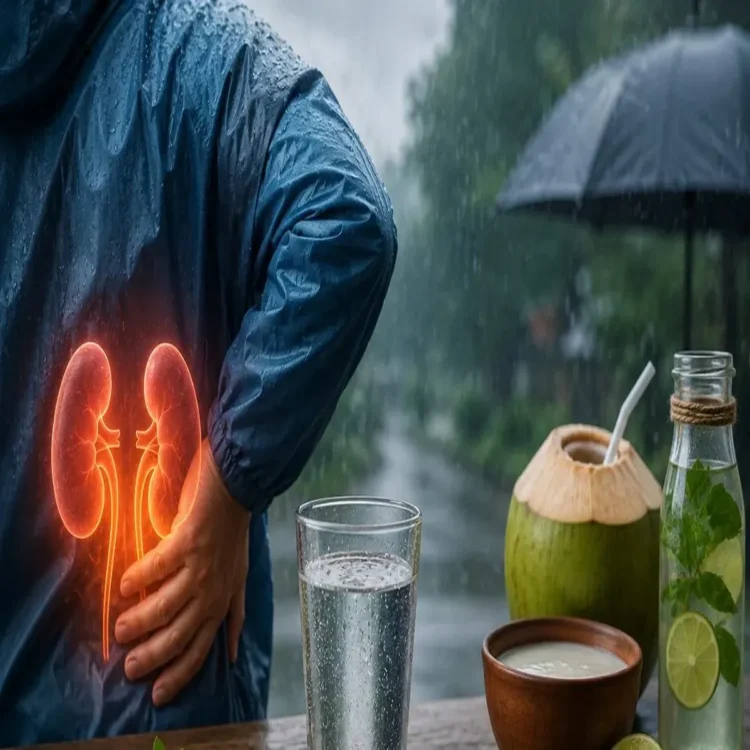
Hidden Fluid Loss During the Rainy Season
Doctors explain that dehydration is not limited to hot summer months. Even during the monsoon, the body continues to lose fluids through perspiration because humidity remains high. Since sweat evaporates more slowly in damp weather, many people fail to notice how much water they are actually losing. At the same time, the natural tendency to drink less water further increases the chances of dehydration.
Dr. Alok Kumar Pandey, Associate Director of Nephrology and Renal Transplant at Regency Health in Lucknow, says dehydration during the monsoon often develops gradually and may remain unnoticed until it begins affecting overall health. According to him, the combination of humid conditions, reduced fluid intake and common seasonal illnesses makes this period particularly important for maintaining proper hydration.
Seasonal Illnesses Can Increase the Risk
The rainy season is also associated with a higher number of viral infections and digestive illnesses. Conditions such as diarrhoea, vomiting and fever can lead to rapid loss of water and essential electrolytes. If these losses are not replaced promptly, dehydration may become more severe and place additional pressure on the body’s organs.
Medical experts advise people recovering from infections to pay special attention to fluid intake, as illness-related dehydration can develop quickly even when the weather feels pleasant.
Why the Kidneys Need Adequate Hydration
The kidneys perform the essential task of filtering waste from the blood while maintaining the body’s fluid and mineral balance. To function efficiently, they depend on a steady supply of blood. When dehydration lowers blood volume, the body naturally directs available circulation toward vital organs such as the brain and heart, temporarily reducing blood flow to the kidneys.
Dr. Pandey notes that this reduced circulation may trigger pre-renal acute kidney injury, especially among people who already have underlying health conditions. Concentrated urine caused by insufficient hydration can also contribute to the formation of kidney stones and increase the likelihood of urinary tract infections, both of which are frequently reported during the monsoon season.
People Who Should Be Extra Careful
Although anyone can become dehydrated, certain groups face a greater risk of developing kidney-related complications. Older adults, children, individuals living with diabetes or chronic kidney disease, outdoor workers, athletes and people who spend long hours commuting should remain especially alert.
Those experiencing fever, diarrhoea or vomiting also require additional fluids to compensate for losses. Office employees may unknowingly become dehydrated if they rely mainly on tea, coffee or sugary beverages instead of drinking sufficient water throughout the day.
Practical Ways to Stay Hydrated
Health specialists recommend maintaining a consistent intake of fluids regardless of whether you feel thirsty. Water remains the best option, but beverages that help restore electrolytes can also be beneficial.
Suitable choices include buttermilk, lemon water with a small amount of salt and tender coconut water. Monitoring urine colour is another simple way to assess hydration. Pale yellow urine generally indicates that the body is receiving enough fluids, while darker urine may suggest the need for increased water intake.
Do Not Ignore Early Signs of Dehydration
Experts stress that cool weather should not create a false sense of security. Dehydration can develop gradually without obvious warning signs, and the kidneys may experience stress long before noticeable symptoms appear. Maintaining regular hydration throughout the monsoon is one of the simplest preventive measures to support kidney function and reduce the risk of avoidable health complications.