
Infrastructure – Modi Highlights Development Agenda at Uttarakhand Public Event
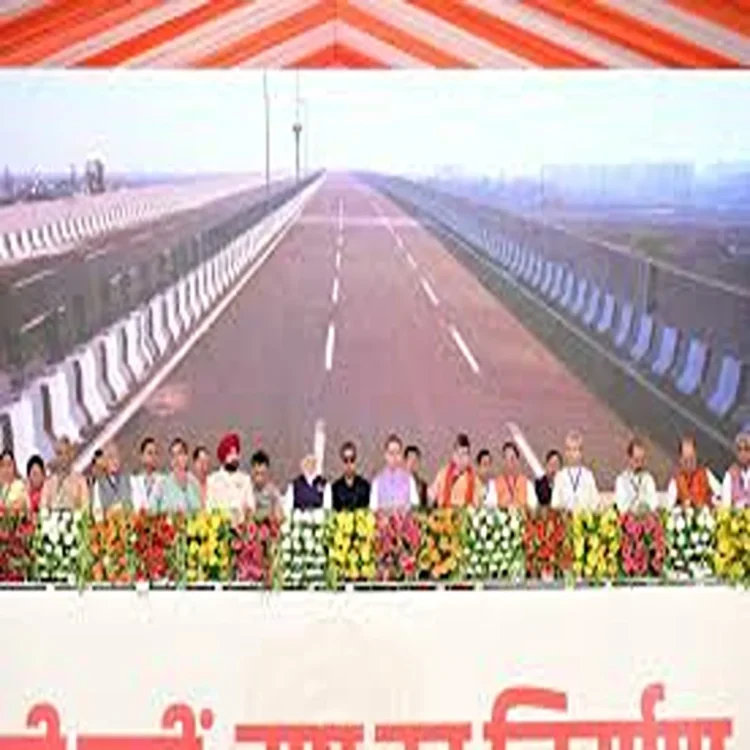
Infrastructure – The inauguration of the Rs 12,000-crore Delhi-Dehradun Economic Corridor on Ambedkar Jayanti marked a significant political and developmental moment, as Prime Minister Narendra Modi outlined a forward-looking vision for the state ahead of the 2027 assembly elections.
Focus on Development Over Political Rivalry
Addressing a large gathering after a high-energy 12-kilometre roadshow, the Prime Minister emphasized the scale of ongoing development in Uttarakhand. He noted that projects worth nearly Rs 2.25 lakh crore are currently contributing to the transformation of the state’s infrastructure and economy. Notably, his speech avoided any direct reference to opposition parties, indicating a deliberate shift in tone.
Instead of engaging in political criticism, the address remained centered on governance, connectivity, and long-term growth. Observers interpret this approach as an attempt to frame the upcoming electoral narrative around measurable progress rather than political confrontation.
Major Push for Connectivity and Economic Growth
A key highlight of the event was the emphasis on improving connectivity through large-scale infrastructure investments. The Delhi-Dehradun Economic Corridor is expected to significantly reduce travel time and enhance economic activity between the two regions.
The Prime Minister pointed out that improved road networks, better logistics, and enhanced accessibility will not only benefit local residents but also strengthen tourism and trade. Uttarakhand, often referred to as a spiritual and natural destination, stands to gain from these developments through increased visitor inflow and business opportunities.
Emphasis on Women’s Participation
Another major theme of the address was the promotion of women’s empowerment. The Prime Minister reiterated the importance of the Nari Shakti Vandan Adhiniyam and called for greater participation of women in governance. He advocated for 50 percent reservation for women in elected bodies, highlighting the role of female voters in shaping the state’s political future.
This message appeared to resonate with a broad section of the audience, as women constitute a significant and influential voter base in Uttarakhand. By focusing on inclusive representation, the government aims to strengthen its outreach among different sections of society.
Support for State Leadership
During the event, the Prime Minister also expressed strong support for Chief Minister Pushkar Singh Dhami. He described the state leadership as dedicated and widely accepted, a statement that is likely to boost morale within the ruling party’s ranks.
Such public endorsement signals confidence in the current administration and reinforces the continuity of leadership as the state moves closer to the next assembly elections.
Strategic Shift in Political Messaging
Political analysts view the event as part of a broader strategy to reshape electoral discourse in Uttarakhand. By prioritizing infrastructure development, economic growth, and social initiatives, the ruling party appears to be positioning itself beyond traditional political debates.
Jai Singh Rawat, a noted observer of Uttarakhand’s political landscape, remarked that the Prime Minister’s message was clear and focused. According to him, the emphasis was on presenting a unified vision for a prosperous and developed state rather than engaging in partisan arguments.
Looking Ahead to 2027 Elections
As Uttarakhand approaches the 2027 assembly elections, the focus on development-driven governance may play a crucial role in shaping voter perception. Large-scale projects, combined with targeted social initiatives, are expected to remain central to the political narrative in the coming years.
The recent event underscores a broader attempt to connect with voters through tangible achievements and future-oriented policies. Whether this approach resonates strongly with the electorate will become clearer as the state moves closer to the next electoral cycle.