
IAF’s MRFA : Programme Signals a New Era of Strategic Autonomy and Technological Control
IAF’s MRFA : The Indian Air Force is preparing to take a decisive step toward long-term operational independence through its upcoming acquisition of 114 multi-role fighter aircraft under the MRFA programme. At the heart of this initiative lies a firm and non-negotiable condition: complete transfer of source code. This requirement clearly reflects the Air Force’s determination to retain full control over its combat platforms, ensuring flexibility in operations, upgrades, and weapon integration over the aircraft’s entire service life.
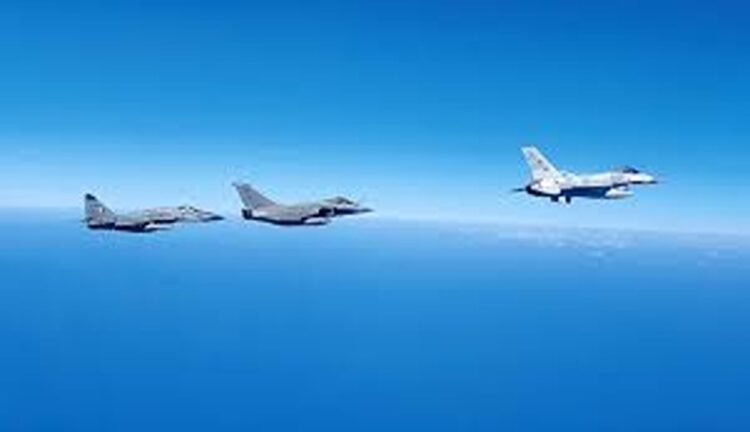
Strategic Importance of Source Code Ownership
The insistence on source code transfer is not merely a technical demand but a strategic one. Ownership of source code allows the Indian Air Force to modify mission systems, integrate indigenous weapons, and adapt avionics without being dependent on foreign manufacturers. In modern aerial warfare, software-driven capabilities are as critical as airframes and engines. Control over these digital systems ensures that operational readiness is not compromised by geopolitical constraints or vendor limitations.
Procurement Process and Institutional Approvals
The MRFA procurement process is progressing through established defense acquisition channels. The proposal is expected to reach the Defence Acquisition Council for approval of the Acceptance of Necessity, which serves as the formal green signal to begin acquisition. Once this stage is cleared, the proposal will move to the Cabinet Committee on Security for final authorization. Only after these approvals will formal contract discussions and cost negotiations commence, ensuring transparency and accountability at every step.
Integration and Interoperability Requirements
Another key aspect of the MRFA programme is seamless interoperability. The new fighters must be capable of communicating and operating alongside aircraft sourced from different countries and manufacturers. This requirement ensures that the Air Force can conduct joint missions without technical barriers. Additionally, the aircraft must support integration of weapons and systems as per evolving operational needs, reinforcing adaptability in dynamic combat environments.
Alignment with Indigenous Fighter Programmes
The medium-category fighters under the MRFA project are designed to complement existing and future indigenous platforms. They will strengthen the current Light Combat Aircraft fleet and operate alongside the upcoming Advanced Medium Combat Aircraft. Importantly, officials have clarified that the MRFA induction will not divert resources from ongoing domestic programmes, as budgetary provisions for these initiatives are already secured.
Make in India and Industrial Participation
The acquisition will be executed under the Make in India framework, enabling Indian companies to collaborate with global aerospace manufacturers. Domestic content is projected to range between 30 and 60 percent, with expectations leaning toward the higher end. This participation will extend beyond assembly to include maintenance, repair, and overhaul facilities, joint ventures, and infrastructure development. Such an approach not only strengthens the defense industrial base but also generates skilled employment and technological spillovers.
Addressing Squadron Shortfalls
One of the primary drivers behind the MRFA project is the rapid decline in the Air Force’s squadron strength. Currently operating well below the sanctioned level approved in 2012, the service faces growing challenges in meeting operational commitments. The induction of 114 modern fighters is expected to significantly bridge this gap and restore balance to force structure planning.
Cost Considerations and Long-Term Value
The project was initially estimated at approximately Rs 1.25 lakh crore, making it one of the most significant defense acquisitions in recent years. While the financial outlay is substantial, the emphasis on technology transfer, local manufacturing, and lifecycle support is intended to deliver long-term value rather than short-term capability alone. Reduced dependency on external vendors over time will contribute to cost efficiency and strategic resilience.
Platform Selection and Operational Suitability
Senior Air Force leadership has indicated that platform selection will be guided by operational suitability and ease of integration rather than brand preference. Past evaluations have identified certain aircraft as highly capable, but the final decision will depend on how well the platform aligns with current and future mission requirements. The focus remains on combat effectiveness, reliability, and adaptability in diverse scenarios.
Enhancing Readiness in a Changing Security Environment
The MRFA programme is widely regarded as critical to the modernization of the Indian Air Force. Beyond addressing numerical shortfalls, it aims to enhance overall combat readiness and ensure technological sovereignty. In an evolving regional security landscape, the ability to independently upgrade, modify, and deploy air power is a decisive advantage. Through this acquisition, the Air Force is laying the foundation for a more self-reliant and future-ready combat fleet.