
GlobalSouth – India Pushes for UN Reform and Greater Voice
GlobalSouth – India has once again highlighted its firm support for multilateral cooperation while urging stronger representation for developing nations during key discussions at the United Nations. The Ministry of External Affairs confirmed that these issues were central to recent high-level engagements led by senior officials.
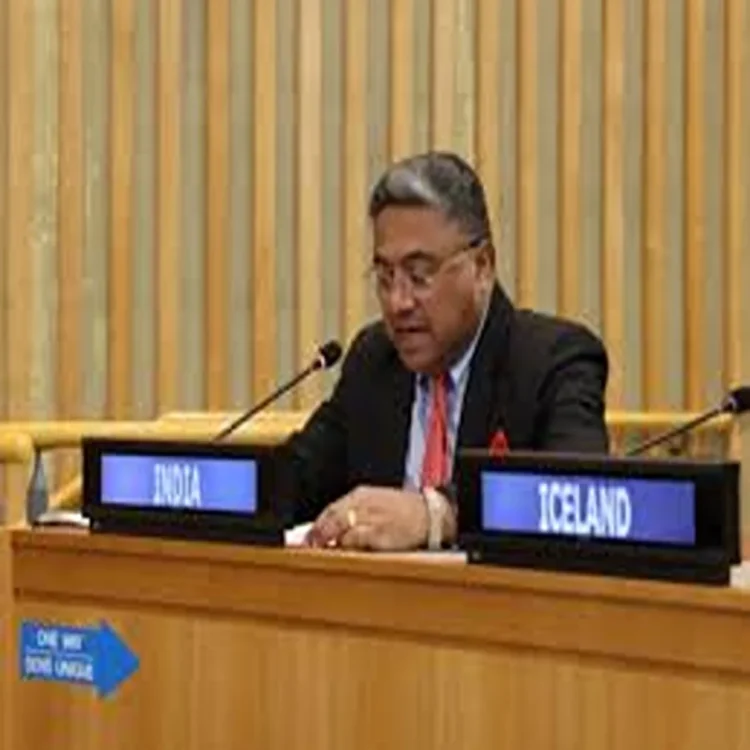
India reiterates commitment to multilateral framework
During a meeting with the UN leadership, India emphasized the importance of a cooperative global system built on inclusive decision-making. Secretary (West) Sibi George met with UN Secretary-General António Guterres to exchange views on pressing international matters, including the future of the United Nations and the need for structural reforms.
Officials noted that India continues to view multilateralism as a cornerstone of global stability. The discussions reflected a shared understanding that current global challenges—ranging from development gaps to geopolitical tensions—require collective and coordinated responses.
Focus on amplifying Global South representation
A major point raised by India was the need to strengthen the voice of the Global South within international institutions. India has consistently advocated for equitable representation, arguing that developing countries must have a more meaningful role in shaping global policies.
This position has also been reflected in India’s ongoing initiatives, such as its contributions to development partnerships under the United Nations framework. By supporting projects in various developing regions, India aims to promote sustainable growth while reinforcing the importance of inclusive global governance.
Renewed push for UN Security Council reforms
Earlier discussions at the United Nations also saw India reiterating its long-standing demand for reforms in the UN Security Council. Addressing an Intergovernmental Negotiations meeting, India pointed out that the existing structure does not adequately reflect current geopolitical realities.
Particular emphasis was placed on the underrepresentation of developing nations in the Council’s permanent membership category. India argued that expanding this category is essential to ensure fairness and legitimacy in global decision-making.
Officials also highlighted similarities between India’s approach to reform and proposals put forward by African nations, signaling a broader alignment among countries seeking change in the current system.
Call for changes in global financial systems
In addition to institutional reforms, India raised concerns about the global financial architecture during the ECOSOC Forum on financing for development. The country stressed that existing systems are not fully equipped to address the funding needs of sustainable development goals.
India pointed to a significant financing gap and called for urgent systemic changes to make global financial mechanisms more inclusive and development-oriented. According to officials, bridging this gap will require reforms in international financial institutions, as well as improved access to resources for developing economies.
Emphasis on inclusive growth and digital infrastructure
India also underlined the importance of leveraging digital public infrastructure as a tool for development. By adopting technology-driven solutions, countries can improve service delivery and enhance financial inclusion, particularly in underserved regions.
The discussions highlighted that a fair global system must combine financial reform with innovation and accessibility. India’s position reflects a broader vision of development that prioritizes equity, sustainability, and long-term resilience.
Strengthening partnerships for future challenges
Overall, India’s engagements at the United Nations signal a continued push for reforms that better reflect the needs of a changing world. By advocating for greater inclusivity and balanced representation, the country aims to contribute to a more responsive and effective global order.
Officials reiterated that meaningful reform will require sustained dialogue and cooperation among member states. As global challenges evolve, India’s emphasis on partnership and shared responsibility is likely to remain central to its diplomatic approach.