
Election – West Bengal Begins High-Stakes Voting Amid Tight Security
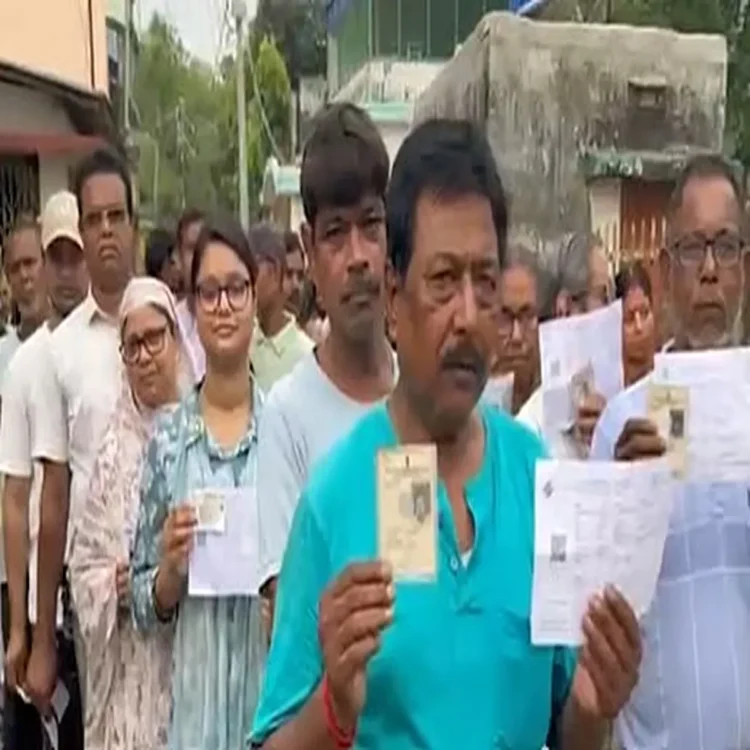
Election – West Bengal entered a crucial phase of its electoral process on Thursday, with voting underway in 152 constituencies during the first stage of a two-phase assembly election. The contest is largely seen as a direct battle between Chief Minister Mamata Banerjee’s Trinamool Congress (TMC) and the Bharatiya Janata Party (BJP), with extensive security arrangements in place across polling areas.
First Phase Voting Covers Key Regions
The initial phase includes 152 out of the state’s total 294 constituencies, making it a significant indicator of the broader electoral trend. Authorities have deployed heightened security measures to ensure smooth and peaceful polling, reflecting the intensity of the political rivalry.
Districts in north Bengal, including Darjeeling, Kalimpong, Jalpaiguri, Alipurduar, Cooch Behar, North Dinajpur, South Dinajpur, and Malda, account for 54 seats in this phase. These regions have traditionally been considered favorable to the BJP, and the party is expected to perform strongly here.
TMC’s Stronghold in Southern and Western Districts
The remaining 98 constituencies fall in districts such as Murshidabad, East Midnapore, West Midnapore, Jhargram, Purulia, Bankura, West Bardhaman, and Birbhum. These areas have long been viewed as strongholds of the Trinamool Congress, where the ruling party aims to consolidate its support base.
Political observers note that outcomes in these regions could play a decisive role in shaping the final results, given their historical voting patterns and demographic diversity.
Impact of Voter List Revision Raises Questions
This election is the first to take place after the Election Commission of India conducted a Special Intensive Revision (SIR) of electoral rolls, a move that sparked widespread debate. The revision reportedly led to the removal of approximately 9.1 million names from the voter list.
The full implications of this development remain uncertain. Out of around 2.7 million individuals whose names were excluded from supplementary rolls, only a small fraction—139 voters—were reinstated through appellate tribunals ahead of the first phase. This has raised concerns among political parties and analysts about potential impacts on voter participation and election outcomes.
Opposition Alliances Also Face Crucial Test
Beyond the primary contest between the TMC and BJP, the election also serves as an important test for the CPM-led Left Front and the Congress. Both groups are attempting to regain political ground in a state where their influence has declined over the years.
Their performance in this phase will provide insights into whether they can re-emerge as significant players or continue to struggle against the dominant parties.
Key Issues Shape Voter Sentiment
Several factors are influencing voter sentiment in this election. The Trinamool Congress is dealing with allegations related to corruption, concerns over law and order, and dissatisfaction among certain communities, including tribal groups. Additionally, issues such as infiltration and governance challenges have been raised by opposition parties during the campaign.
Anti-incumbency is another factor that could influence voter decisions, as the ruling party seeks to defend its record while challengers highlight perceived shortcomings.
High Stakes as State Awaits Outcome
With political stakes running high, the first phase of voting is expected to set the tone for the remainder of the election. Both major parties have invested significant resources and effort into campaigning, making this one of the most closely watched electoral contests in the country.
The results from these constituencies will offer early indications of voter preferences and could shape strategies for the second phase