
DelhiRiots – Tahir Hussain’s Political Journey and Legal Challenges Since 2020 Violence
DelhiRiots –Former Aam Aadmi Party councillor Tahir Hussain has remained in the spotlight due to his political career as well as multiple criminal cases linked to the 2020 Northeast Delhi riots.
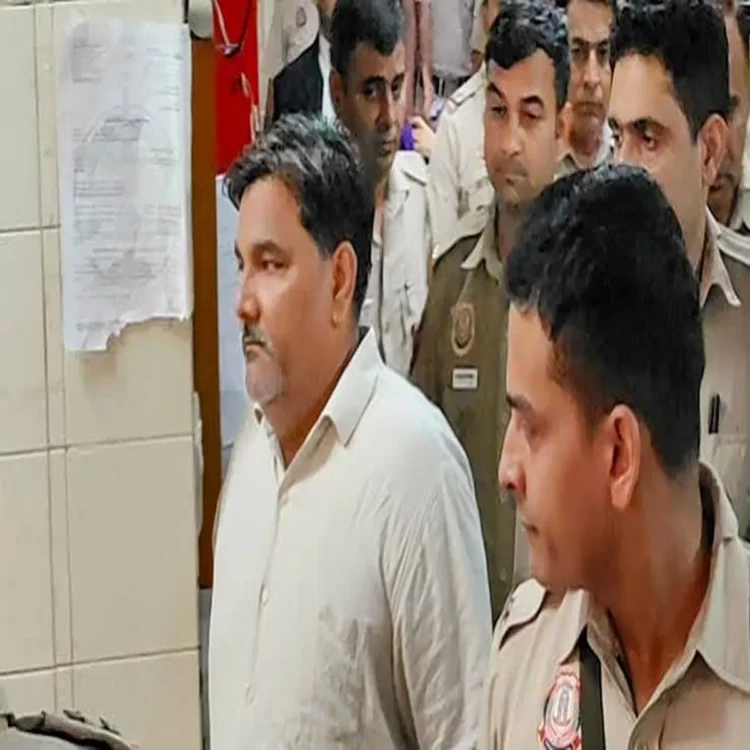
Former Aam Aadmi Party (AAP) leader Tahir Hussain first entered public office after winning the Municipal Corporation of Delhi (MCD) election from Ward 59 in Nehru Vihar, East Delhi, in 2017. His tenure with the party came to an abrupt end in 2020 when AAP expelled him shortly after his name surfaced in investigations related to the Northeast Delhi violence, including the killing of Intelligence Bureau officer Ankit Sharma in the Chand Bagh area.
Early Life and Background
Born in Uttar Pradesh in 1969, Hussain spent much of his life in Northeast Delhi before joining active politics. Prior to his political career, he was engaged in business activities and was known locally as a businessman in the region where he later contested elections.
Shift to AIMIM Politics
In December 2024, Hussain joined the All India Majlis-e-Ittehadul Muslimeen (AIMIM). The party’s president, Asaduddin Owaisi, publicly announced his induction and declared him as the AIMIM candidate for the Mustafabad Assembly constituency through a post on social media platform X.
During the Delhi Assembly election held in February 2025, Hussain contested from Mustafabad, one of the areas most severely affected during the 2020 communal unrest. Facing candidates from both the Bharatiya Janata Party (BJP) and the Aam Aadmi Party, he received 33,474 votes and finished in third place. The constituency was won by BJP candidate Mohan Singh Bisht.
Allegations Linked to the 2020 Delhi Riots
Hussain became a prominent figure in national headlines following the communal violence that erupted across parts of Northeast Delhi in February 2020. The clashes resulted in substantial casualties, injuries, and widespread damage to homes and public property. Investigators alleged that Hussain played a significant role in the violence, while several videos showing people gathered on the rooftop of his residence circulated widely across social media during the disturbances.
According to the Delhi Police, Hussain was named in several criminal investigations arising from the riots and was taken into custody in March 2020. Investigators alleged that his residence was used to store stones, petrol bombs, and other objects that were later thrown during violent confrontations in the affected localities. Hussain has faced legal proceedings in connection with these allegations.
Investigation and Charge Sheets
In June 2020, the Delhi Police submitted two separate charge sheets against Hussain. One described him as the principal conspirator behind the violence reported in Chand Bagh and Jaffrabad, while the second related to the murder case of Intelligence Bureau officer Ankit Sharma.
Separately, the Enforcement Directorate (ED) also initiated proceedings under money laundering laws. In a charge sheet filed on October 17, the agency alleged that approximately ₹1.1 crore had been laundered to support activities connected to the anti-CAA protests and the 2020 Delhi riots. These allegations remain part of ongoing legal proceedings, and the matters continue to be addressed through the judicial process.