
Elections – Intense Political Maneuvering Ahead of Maharashtra Council Polls
Elections – Political activity has picked up pace in Maharashtra as both the ruling alliance and opposition groups begin internal deliberations for the upcoming biennial elections to the Legislative Council. The polls, scheduled for May 10, will fill 10 seats, prompting a surge of lobbying among aspirants across party lines.
Candidate Selection Gains Momentum in Ruling Alliance
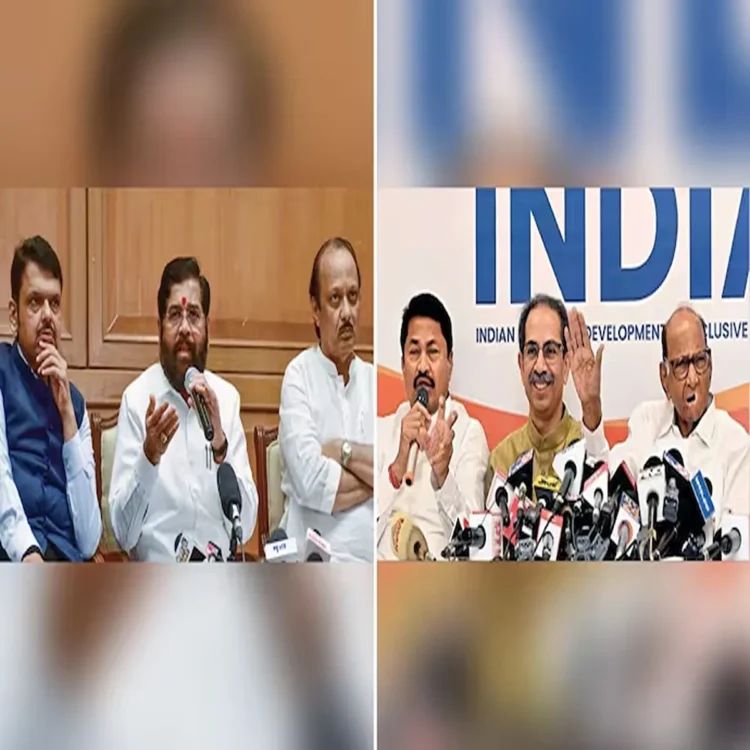
Within the ruling MahaYuti alliance, the Bharatiya Janata Party is expected to secure a dominant share of seats due to its strength in the state Assembly. Party insiders indicate that the BJP is likely to win six out of the 10 available positions. This has led to heightened competition, with over a dozen hopefuls vying for nominations.
Among those seeking a ticket are Archana Patil Chakorkar, Pranya Satava, Madhavi Naik, Rajesh Pandey, Ranjeet Singh Naik Nimbalkar, Ram Satpute, Sanjay Kaka Patil, Sanjay Kenekar, Dadarao Keche, Sanjay Bhende, Dyashankar Tiwari, and Sandeep Joshi. The party’s state parliamentary committee convened recently to evaluate these names and move closer to finalizing its candidates.
Sources suggest that Pranya Satava, who recently switched allegiance from the Congress to the BJP and resigned from her earlier position, is almost certain to receive a nomination. The remaining candidates are expected to be finalized after further consultations.
Criteria for Finalizing Candidates
Party leaders have indicated that the selection process will not be based solely on seniority or visibility. Instead, factors such as regional representation, caste balance, loyalty to the party, and grassroots contributions are being carefully weighed.
A senior BJP functionary noted that recommendations have poured in from various quarters, including local leaders and party workers. However, the final decision will rest with the parliamentary committee, which aims to ensure a balanced and strategic slate of candidates.
Vacancies and Voting Requirements
Out of the 10 seats up for election, nine became vacant following the completion of sitting members’ terms. The remaining seat fell vacant after Pranya Satava stepped down. Based on current numbers in the Assembly, a candidate will require a minimum of 29 votes to secure victory in the election.
Opposition Alliance Faces Limited Opportunities
On the other side, the Maha Vikas Aghadi (MVA) alliance, comprising the Shiv Sena (UBT), Congress, and NCP (SP), faces a more constrained scenario. With its current strength, the opposition bloc is positioned to win only one seat.
The Shiv Sena (UBT), led by Uddhav Thackeray, has asserted its claim over this lone opportunity, citing its relatively higher number of MLAs within the alliance. The party currently holds 20 seats in the Assembly, giving it an edge over its partners.
Congress and NCP Extend Conditional Support
The Congress has indicated flexibility in its approach. State party president Harshvardhan Sapkal stated that if Uddhav Thackeray expresses willingness to return to the Legislative Council, the party would extend full support. However, he added that if Thackeray chooses not to contest, the seat should then be allocated to the Congress.
The Nationalist Congress Party (Sharad Pawar faction) has also backed the possibility of Thackeray’s nomination, signaling a unified stance within the opposition, at least for now.
Strategic Importance of the Poll
While the number of seats may appear limited, the election holds considerable political significance. It offers parties an opportunity to strengthen their presence in the upper house and reward loyal members or emerging leaders. For both alliances, these decisions will also reflect internal power dynamics and long-term political strategies.
As the nomination process progresses, the coming days are expected to witness further negotiations, adjustments, and possibly last-minute changes. With multiple stakeholders involved, the final list of candidates will likely be a result of careful balancing rather than straightforward selection.