
HealthCrisis – Bangladesh Faces Sharp Decline in National Immunisation Coverage
HealthCrisis – Bangladesh’s healthcare system, once regarded as a strong example of effective immunisation delivery in developing nations, is now showing signs of serious strain. A recent report has raised concerns that years of steady progress in public health could be reversed if urgent corrective measures are not introduced.
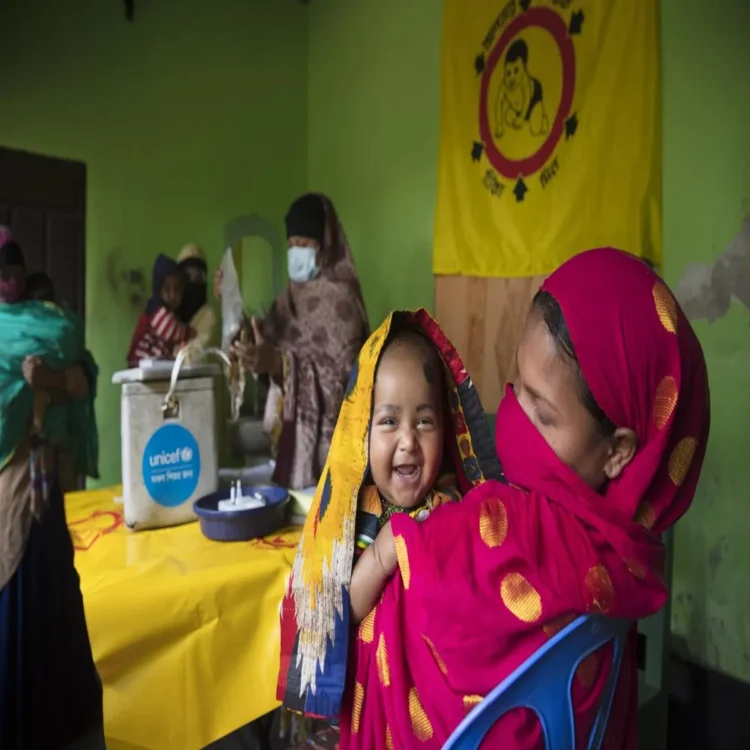
Decline in Vaccination Coverage Raises Alarm
According to findings highlighted by a leading national daily, vaccination coverage in Bangladesh has dropped significantly, reaching nearly 60 percent in 2025. This marks a steep fall compared to the consistent 85 to 92 percent coverage recorded between 2010 and 2022. Health experts warn that such a decline increases the risk of outbreaks of preventable diseases, including measles, which had previously been well controlled.
The report suggests that the current vaccine shortage is not an isolated issue but part of a broader weakening of institutional systems. For years, the country’s immunisation programme stood as a model for other developing nations, demonstrating how sustained planning and strong partnerships could deliver consistent public health outcomes.
A Once-Strong Programme Losing Ground
Bangladesh’s Expanded Programme on Immunisation (EPI) has historically been one of its most successful public health initiatives. Backed by government commitment, international collaboration, and a large workforce of health professionals, the programme helped reduce the burden of infectious diseases across the country.
However, the report indicates that this success story is now under threat. The decline in performance reflects deeper structural problems that go beyond supply disruptions. Analysts point to weakening governance and lack of coordination as major contributing factors.
Policy Changes and Administrative Gaps
One of the key concerns raised is the dismantling of the Health, Population and Nutrition Sector Programme (HPNSP) in 2025. This programme previously provided a clear administrative framework for vaccine procurement and distribution. Its removal, without a well-planned transition strategy, has created operational uncertainty.
Experts cited in the report note that there is little evidence of comprehensive technical consultation or risk assessment before implementing these changes. Given the critical role of immunisation in public health, such decisions are seen as a significant policy oversight.
Workforce Shortages Add to the Crisis
The challenges are further compounded by staffing shortages. Nearly 45 percent of field-level positions within the immunisation programme remain unfilled across dozens of districts. These workers are essential for running approximately 150,000 vaccination centres nationwide.
In addition to staffing gaps, logistical support systems have also been affected. Workers responsible for maintaining the vaccine cold chain reportedly faced delayed payments for several months. This led to unrest and even strikes, disrupting the delivery of essential services.
The report underscores that without a stable and adequately supported workforce, maintaining high vaccination coverage is nearly impossible.
Urgent Need for System Reforms
To address the crisis, the report calls for immediate steps to restore stability within the health system. These include rebuilding administrative structures, ensuring reliable procurement processes, and filling vacant positions in the workforce.
It also emphasises the importance of investing in research and disease surveillance to better monitor emerging health risks. Equally critical is rebuilding public trust through consistent communication and transparency, especially at a time when confidence in health systems is crucial.
Long-Term Risks if Issues Persist
The findings warn that failure to act promptly could lead to more severe consequences. A weakened immunisation system not only increases the likelihood of disease outbreaks but also places additional financial and social burdens on the country.
Experts stress that essential health systems must be protected from abrupt policy shifts and administrative disruptions. If timely measures are implemented, the current challenges can still be managed. However, delays could turn manageable problems into large-scale public health crises.