
FoodQuality – Miranda House Students Raise Concerns Over Hostel Meals
FoodQuality – Students of Miranda House College staged a protest on Wednesday over what they described as a steady decline in the quality of food served in the hostel mess. The demonstration, which gained visibility on social media, highlighted growing dissatisfaction among residents, although the college administration rejected the claims and offered a different explanation for the unrest.
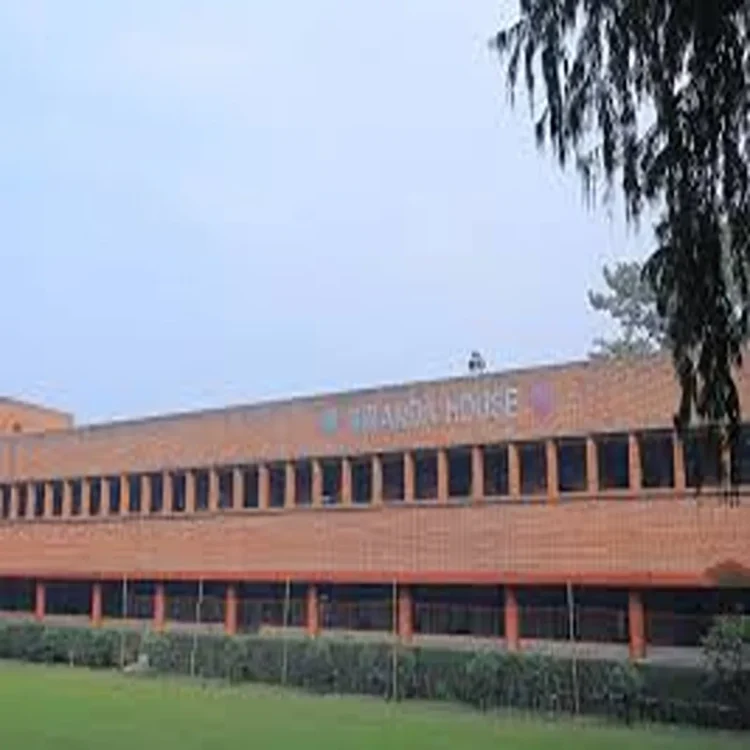
Students Voice Concerns Over Daily Meals
According to several students, the issue has been building for weeks, with many alleging that the meals provided have become increasingly inadequate in both quality and nutrition. Some claimed they were left with no option but to eat plain or poorly prepared food, which they said failed to meet basic dietary standards.
The protest saw students gathering within the campus premises, expressing their frustration by banging plates and raising slogans. Videos circulating online captured the intensity of the demonstration, bringing wider public attention to the matter.
Student groups argued that access to healthy and sufficient food is essential, particularly for those living in hostels who depend entirely on institutional arrangements for their daily meals.
Student Organization Extends Support
The All India Students’ Association (AISA) came out in support of the protesting students, backing their demand for improved food standards. Representatives from the organization stated that students should not be compelled to compromise on nutrition and described the situation as unacceptable.
They emphasized that food quality is not merely a matter of preference but a basic right, especially in residential colleges where students rely on provided facilities. The group also called for immediate corrective measures and greater accountability from the administration.
Link to LPG Supply Issues Alleged
Some students connected the decline in food quality to the ongoing LPG supply issues, suggesting that disruptions in cooking gas availability may have affected meal preparation. They claimed that since the crisis began, there had been noticeable changes in both the taste and consistency of the food served.
However, these claims remain contested, with no official confirmation linking the situation to any gas-related disruption.
Administration Rejects Allegations
The college administration strongly denied that there had been any deterioration in food quality. Officials clarified that the protest was not related to an LPG shortage but stemmed from a specific complaint regarding the level of spices used in the meals.
A college representative stated that the food is prepared fresh every day and that efforts are made to accommodate students’ preferences. According to the administration, the issue raised during the protest was limited to concerns about excessive chilli in certain dishes rather than any broader decline in standards.
They also maintained that the institution follows established procedures to ensure hygiene and quality in food preparation, suggesting that the protest may have been triggered by isolated dissatisfaction rather than systemic problems.
Ongoing Debate Highlights Broader Issues
The incident has sparked a broader conversation about food quality in college hostels and the need for transparent grievance redressal mechanisms. While students continue to press for improvements, the administration’s response indicates a gap in perception between both sides.
Such disputes are not uncommon in residential campuses, where food services often become a focal point of student concerns. Experts suggest that regular feedback systems and open communication channels can help address such issues before they escalate into protests.
For now, the situation at Miranda House remains under discussion, with students expecting tangible changes and the administration standing by its current practices.