
Freight – Indian Railways Reports Higher Cargo and Passenger Traffic in May 2026
Freight – Indian Railways recorded steady growth in both freight transportation and passenger movement during May 2026, despite operational challenges linked to the changing geopolitical environment in West Asia and the resulting pressure on global logistics networks. According to official figures, the national transporter handled 145 million tonnes of freight during the month, reflecting a year-on-year increase of 1.3 percent compared with May 2025.
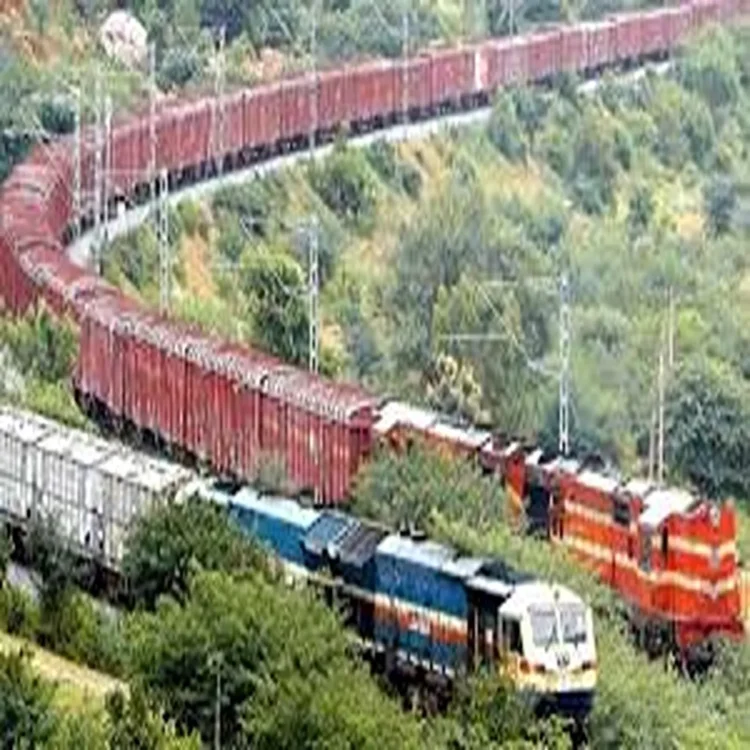
Key Commodities Support Freight Expansion
The rise in freight volumes was largely supported by strong demand across several major commodity categories. Railway data showed notable gains in the movement of iron ore, steel products, fertilisers and the category classified as Balance Other Goods.
Among these segments, Balance Other Goods delivered the strongest performance, registering growth of 16 percent over the same period last year. Iron ore transportation increased by 4.8 percent, while loading of pig iron and finished steel products rose by 3.5 percent. Fertiliser shipments also witnessed healthy momentum, recording a 6.2 percent increase compared with May 2025.
Coal Transportation Remains a Priority
Coal continued to account for the largest share of railway freight traffic during the month. The sector maintained positive momentum, with coal loading increasing by nearly 1 percent on an annual basis.
The Ministry of Railways stated that special attention was given to ensuring uninterrupted coal supplies to thermal power plants across the country. Officials said freight operations were closely monitored to support electricity generation requirements and contribute to energy security. The ministry added that Railway Minister Ashwini Vaishnaw has been regularly reviewing freight operations and other railway services as part of broader performance targets.
Focus on Supply Chain Efficiency
Railway authorities also intensified monitoring of domestic container traffic and export-import cargo movement during the month. The objective was to maintain efficient freight transportation and minimise disruptions to supply chains at a time when global logistics networks continue to face uncertainty.
Officials noted that coordinated supervision across the rail network helped sustain cargo movement and supported industries dependent on timely transportation of raw materials and finished goods.
Passenger Numbers Show Strong Growth
Passenger traffic also witnessed a significant increase during May 2026. More than 61 crore passengers travelled on Indian Railways services during the month, compared with approximately 59 crore passengers in May last year.
A substantial part of this growth came from the non-suburban travel segment. Passenger numbers in this category increased from 28 crore to 30 crore, representing a growth rate of 7.4 percent. The figures indicate continued demand for long-distance and intercity rail travel across various regions of the country.
Additional Services Introduced During Peak Season
To accommodate higher travel demand during the summer season, Indian Railways operated a large number of special trains on several routes. These services were introduced to reduce congestion and provide additional travel options for passengers during one of the busiest periods of the year.
The railway network has also continued expanding its modern passenger services. At present, 164 Vande Bharat trains are operational across different routes. The network recently added the Sleeper Vande Bharat service connecting Howrah and Kamakhya, further strengthening premium long-distance connectivity.
Meanwhile, the number of Amrit Bharat trains has reached 68. During May 2026, three new Amrit Bharat services were inaugurated, reflecting the ongoing effort to improve passenger amenities and expand rail connectivity across the country.