
FCRA Amendment – Parliament Set to Revisit Controversial Foreign Funding Bill
FCRA Amendment – The Central government is expected to present the proposed amendments to the Foreign Contribution (Regulation) Act (FCRA) in Parliament on Monday, according to sources familiar with the matter. The legislation, which has drawn significant criticism from Opposition parties and several civil society groups, is likely to become another major point of debate during the ongoing parliamentary session. The issue comes at a time when political tensions are already high over allegations related to police action against protesting students and claims concerning donations collected for the Ram temple.
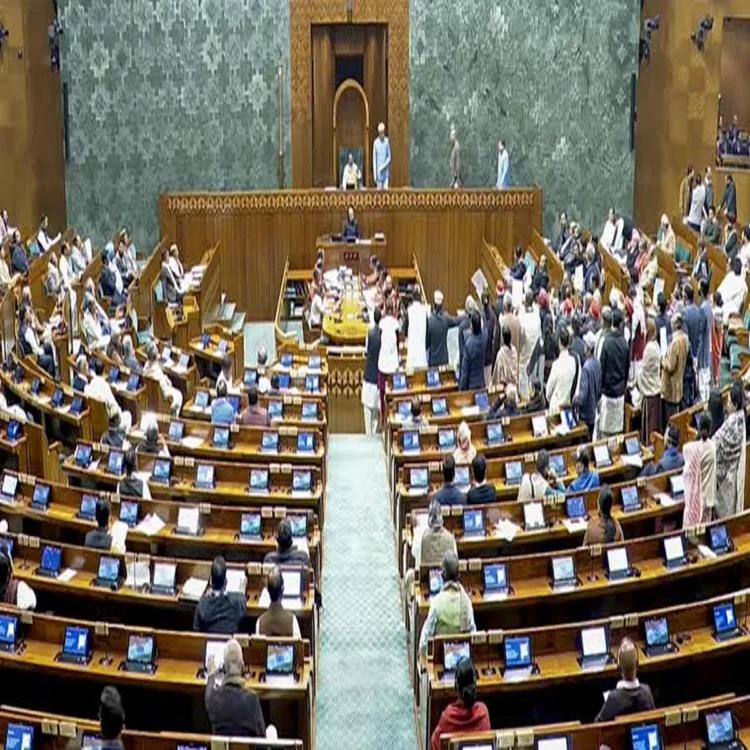
Bill Returns After Earlier Delay
The amendment Bill was first introduced in the Lok Sabha on March 25 but was not taken up for further consideration after widespread objections from Opposition leaders and non-governmental organisations. Sources indicate that the government is considering modifications to some of the proposed provisions before moving ahead with the legislation. On Friday, Union Home Minister Amit Shah reportedly held discussions with Lok Sabha Speaker Om Birla and senior Cabinet colleagues regarding the proposed amendments and the strategy for introducing the Bill.
Proposed Provision Draws Strong Criticism
Among the most debated proposals is a provision that would allow the Central government to appoint a designated authority to manage the funds and assets of organisations whose FCRA registration has been cancelled, surrendered, or has otherwise become invalid. According to the Bill, nearly 16,000 associations are currently registered under the FCRA framework and collectively receive close to Rs 22,000 crore in foreign contributions every year. Critics argue that the proposed authority could significantly expand government control over organisations affected by regulatory action.
Church Leaders Seek Wider Consultation
Religious organisations have also expressed reservations about the proposed amendments. Last week, Amit Shah met representatives of church bodies, including members of the Catholic Bishops’ Conference of India (CBCI). During the meeting, the delegation submitted a memorandum requesting the government to withdraw both the amendment Bill and the recently notified FCRA Rules. The organisation urged the Centre to prepare a revised version only after holding broader consultations with stakeholders representing different sectors.
The CBCI also requested safeguards to ensure that existing legal rights, previously acquired assets, and ongoing charitable programmes are not adversely affected. In addition, it recommended that FCRA-related disputes should be subject to independent judicial oversight to strengthen transparency and accountability.
Opposition Raises Constitutional Concerns
Several Opposition leaders continue to oppose the proposed amendments, arguing that they could weaken the independence of civil society institutions. DMK Member of Parliament P. Wilson stated that the legislation could have long-term consequences for organisations engaged in education, healthcare, and humanitarian services. In a post on X, he appealed to Members of Parliament across political parties to reject what he described as an excessive expansion of government authority, saying that such measures could affect constitutional protections and the rule of law.
Government Defends the Amendments
The Central government has rejected allegations that the proposed legislation targets genuine charitable organisations. It maintains that the amendments are intended to strengthen oversight of foreign contributions and prevent their misuse. According to the government’s position, the stricter provisions are aimed at individuals or organisations allegedly involved in forced religious conversions through foreign funding or those accused of diverting overseas contributions for personal benefit. As Parliament prepares to take up the Bill once again, the debate is expected to remain one of the most closely watched legislative issues of the session.