
DelhiRiots – Court Awards Life Imprisonment in Ankit Sharma Murder Case
DelhiRiots – More than six years after the 2020 communal violence in Northeast Delhi, a city court has sentenced former AAP councillor Tahir Hussain and four others to life imprisonment in the murder case of Intelligence Bureau staffer Ankit Sharma, marking a significant development in one of the most closely watched cases linked to the riots.
Background of the 2020 Violence
Communal tensions escalated in Northeast Delhi during February 2020 as protests against the Citizenship Amendment Act (CAA) continued near the Chand Bagh bridge on the main Karawal Nagar Road. The unrest quickly turned violent, with clashes between groups involving stone-pelting, arson, gunfire, vandalism, and widespread destruction. Authorities had imposed Section 144 of the Criminal Procedure Code across the district to restrict unlawful gatherings and contain the situation.
Ankit Sharma Went Missing During the Unrest
On the evening of February 25, 2020, Intelligence Bureau employee Ankit Sharma left his residence around 5 p.m. to purchase household essentials. When he failed to return home for several hours, his father, Ravinder Sharma, searched nearby hospitals and surrounding areas before filing a missing person’s complaint at Dayalpur Police Station.
The following day, Sharma’s body was recovered from a drain in the Chand Bagh area. According to the initial findings, his body bore multiple injuries believed to have been caused by sharp-edged weapons. After the recovery, police registered a First Information Report (FIR), and the body was sent to Guru Teg Bahadur Hospital for a postmortem examination.
Court Delivers Landmark Verdict
On Friday, the city court sentenced former AAP councillor Tahir Hussain along with Javed, Anas, Kasim, and Nazim to life imprisonment after convicting them in the murder of Ankit Sharma. The ruling represents the first life imprisonment awarded in a murder case arising from the 2020 Northeast Delhi riots.
The judgment has drawn renewed attention to several other riot-related cases that are still awaiting trial or final decisions. Many of those cases have resulted in acquittals in recent years because courts found the available evidence insufficient to establish guilt beyond reasonable doubt.
Investigation Quality Remains Under Scrutiny
Several special courts hearing riot-related cases have previously expressed concern over the quality of investigations. In multiple judgments, courts observed inconsistencies in witness testimonies and questioned the reliability of certain pieces of evidence presented during the trials. References to allegedly fabricated material and unreliable witnesses have appeared in several acquittal orders, highlighting ongoing concerns over the investigative process.
Before this verdict, only one conviction had been secured in a riot-related death case. That conviction, delivered in 2024, was under Section 304 of the Indian Penal Code, which deals with culpable homicide not amounting to murder.
Tahir Hussain Responds After Sentencing
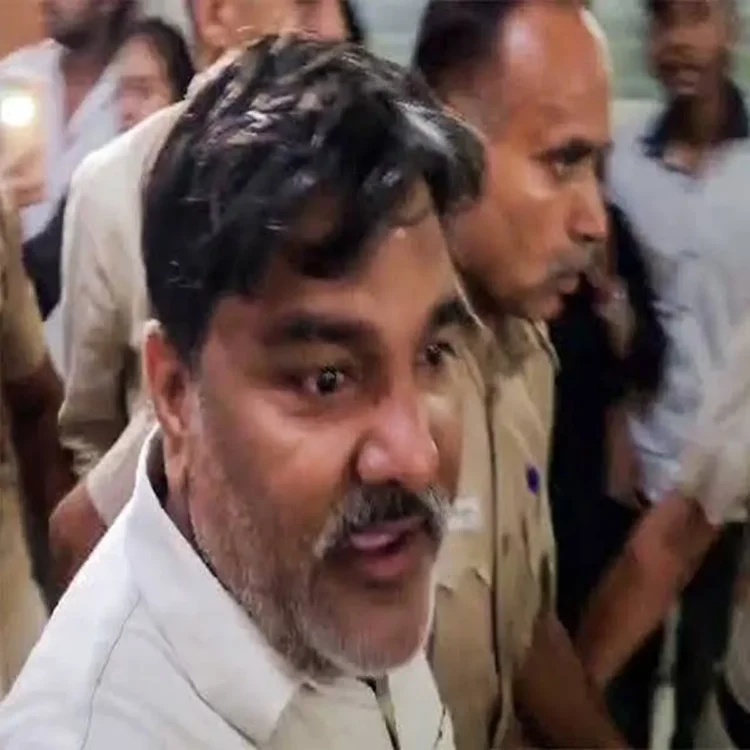
After the court announced the sentence, Tahir Hussain maintained his innocence while leaving the courtroom under police escort. He stated that he expected justice from the Delhi High Court and indicated that he would challenge the verdict through the legal process. His remarks came shortly after the life imprisonment sentence was pronounced.
Other Riot Cases Continue in Courts
Several major prosecutions connected to the 2020 violence are still pending before designated courts in Delhi. One of the prominent cases relates to the death of Head Constable Ratan Lal, who lost his life while on duty in Maujpur during the riots.
Earlier this year, courts acquitted accused persons in separate riot-related murder cases after finding significant inconsistencies in the prosecution’s evidence and questioning the credibility of key witnesses. With charges already framed in the remaining prosecutions, hearings in several important cases are continuing as the legal process moves forward.
Timeline of Key Events
The violence began on February 23, 2020, during protests against the CAA in Northeast Delhi. Ankit Sharma went missing on February 25, and his body was recovered a day later, leading to the registration of an FIR. Investigators from the Special Investigation Team later inspected Tahir Hussain’s residence, while the Crime Branch filed its charge sheet in June 2020. The court took cognisance of the case in August 2020 and formally framed charges in March 2023. On July 13, 2026, the accused were convicted, police later sought the death penalty, and on July 31, 2026, the court sentenced all five convicts to life imprisonment