
FuelChoice – Kejriwal Announces August 4 March Seeking Consumer Option on Petrol Types
FuelChoice – Aam Aadmi Party national convenor Arvind Kejriwal has called for greater consumer choice in India’s fuel market by urging the government to offer both regular petrol and E20-blended petrol at fuel stations.
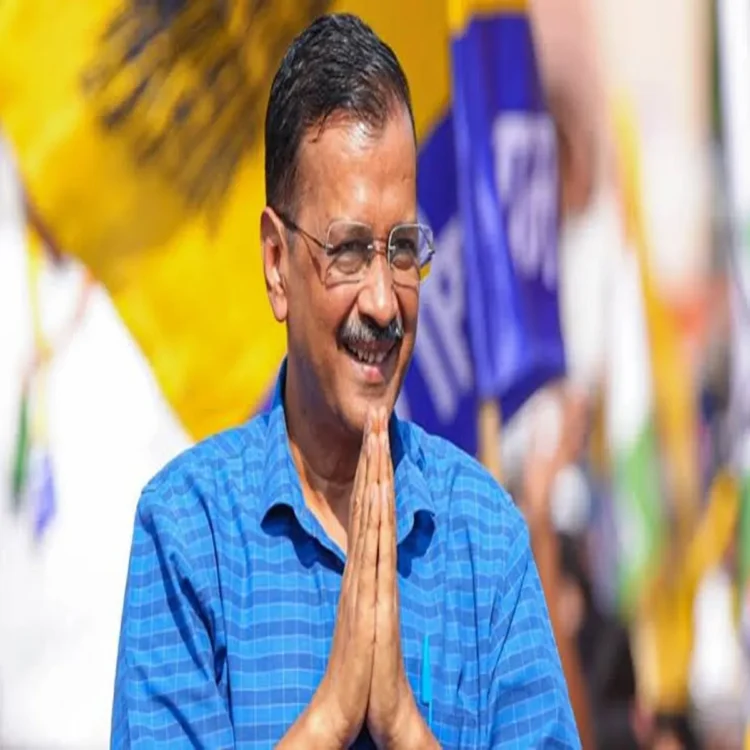
Aam Aadmi Party (AAP) national convenor Arvind Kejriwal has announced that he will lead a march to the Prime Minister’s residence on August 4, demanding changes to the country’s fuel policy. Speaking at a town hall meeting held at the Constitution Club of India in New Delhi on Saturday, Kejriwal said consumers should be free to choose between conventional petrol and E20-blended fuel whenever they refill their vehicles. He argued that motorists should not be left with only one fuel option, particularly when questions continue to be raised about vehicle compatibility.
Planned March to Prime Minister’s Residence
During the event, Kejriwal said he would begin collecting petitions from supporters and concerned citizens at noon on Monday before proceeding towards Lok Kalyan Marg, the official residence of Prime Minister Narendra Modi. According to him, around 100 people are expected to participate in the march. He stated that the purpose of the demonstration is to present public concerns directly to the central government and seek immediate attention to issues surrounding E20 fuel.
Demand for More Choices at Fuel Stations
Kejriwal outlined several demands related to the sale of petrol across the country. He said fuel stations should provide both regular petrol and E20-blended petrol so that vehicle owners can decide which fuel best suits their automobiles. In addition, he called for a reduction in the price of E20 fuel, arguing that a blended product should be available at a lower cost. He also urged the government to consider reducing overall petrol prices to provide relief to consumers facing increasing transportation expenses.
Call for Greater Transparency
The former Delhi chief minister also questioned the government’s position regarding the impact of E20 fuel on vehicles. Referring to statements made by the Centre, he said authorities have maintained that studies found no evidence that E20 damages vehicle engines or other components. Kejriwal requested that the government publicly release the research and reports supporting these claims so that consumers, industry experts, and vehicle owners can independently review the findings.
According to him, making the study available would help improve transparency and allow people to better understand the basis of the government’s confidence in promoting E20-blended fuel.
Vehicle Owners Share Their Experiences
The town hall meeting brought together participants from several states, many of whom shared their experiences with E20 fuel. Some attendees expressed concerns about changes they believed they had noticed in their vehicles after using the blended fuel. Others spoke about maintenance-related issues and requested greater clarity from policymakers regarding long-term vehicle performance.
The gathering provided a platform for vehicle owners to voice their opinions and discuss their experiences directly with party leaders. While participants raised different concerns, the event mainly focused on the need for better communication between the government and consumers on fuel-related policies.
Debate Over Fuel Policy Continues
The discussion surrounding E20-blended petrol has become an important topic as India continues efforts to increase ethanol blending in fuel as part of its broader energy strategy. Supporters believe higher ethanol blending can reduce dependence on imported crude oil and support environmental goals. At the same time, some vehicle owners have sought additional information about compatibility, maintenance, and pricing before fully embracing the transition.
Kejriwal’s announcement of the August 4 march has added another dimension to the ongoing debate, with his party calling for consumer choice, transparent scientific evidence, and pricing reforms while the government continues to promote ethanol blending as part of its national fuel policy.