
Energy – Delhi Expands LPG Supply Access for Workers and Students
Energy – The Delhi government has introduced a revised plan to improve the availability of commercial LPG across the city, with a special focus on migrant labourers and students. Under the new arrangement, the daily allocation for these groups has been increased significantly, rising from 180 cylinders to 360 cylinders. The move is aimed at addressing growing demand while ensuring a steady and fair supply of cooking fuel.
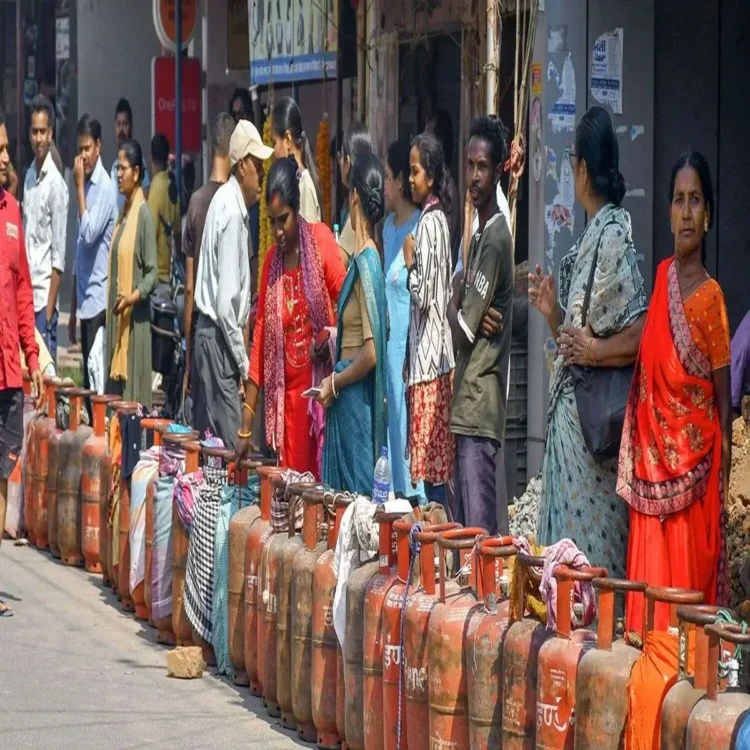
Revised Allocation Across Key Sectors
The updated distribution framework allows for a total of 6,480 commercial LPG cylinders, each equivalent to 19 kilograms, to be supplied daily across multiple sectors. Priority has been given to essential services, including hospitals, government institutions, public sector units, hotels, restaurants, roadside eateries, and food processing units.
Officials clarified that supply will follow a first-come, first-served approach, ensuring that urgent requirements are met without delay. This structured prioritisation is expected to reduce shortages in critical sectors that rely heavily on LPG for daily operations.
Monitoring and Redistribution Measures
To maintain balance in distribution, Oil Marketing Companies have been directed to strictly adhere to the daily supply cap. However, they have also been granted flexibility to redistribute excess cylinders from one category to another if demand varies. This reallocation must be carried out transparently, with prior notification to the Department of Food and Supplies.
Authorities have also intensified inspections across the city to prevent irregularities. Officials warned that strict legal action will be taken against anyone found involved in hoarding or black marketing of LPG cylinders. The government reiterated its commitment to maintaining a transparent and accountable supply chain.
Flexible Guidelines for Efficient Supply
To improve operational efficiency, the government has relaxed rigid allocation percentages among different sectors. Oil companies can now respond more dynamically to real-time demand, as long as all legitimate requests are fulfilled first. Any remaining stock can then be reassigned to other categories based on necessity.
This flexible approach is expected to reduce bottlenecks and ensure that no sector faces unnecessary shortages due to fixed distribution limits.
Special Provisions for Migrant Workers
Recognising the needs of migrant labourers, the government has introduced a structured system for distributing smaller 5 kg Free Trade LPG cylinders. These cylinders are being provided through authorised agencies with several safeguards in place to prevent misuse.
Beneficiaries are required to complete Aadhaar verification before receiving a cylinder. In addition, a centralised database maintained by oil companies will track distribution, ensuring that no individual receives multiple allocations within a short period. A mandatory gap of seven days has been set between successive issuances to the same person.
Public Advisory and Long-Term Measures
Officials have dismissed rumours regarding LPG shortages, stating that supply remains stable and accessible. Residents have been advised to book cylinders only through authorised channels to avoid fraudulent practices.
The government has also encouraged consumers to consider switching to piped natural gas (PNG) as a long-term alternative. PNG is seen as a more reliable and continuous source of fuel, particularly for urban households and commercial establishments.
Key Rules Introduced
Several important norms have been outlined under the revised policy. Aadhaar verification is mandatory for accessing 5 kg cylinders, ensuring proper identification and accountability. Oil companies must strictly follow the daily supply limit, while also adjusting allocations based on demand. Essential services such as hospitals and food-related businesses continue to receive top priority. Additionally, the seven-day interval rule helps maintain fair access among beneficiaries.
The updated system reflects an effort to balance supply, prevent misuse, and respond to the needs of a growing urban population. By combining stricter monitoring with flexible distribution, authorities aim to ensure that LPG reaches those who need it most without disruption.