
Education – NHRC Questions States Over Private School Textbook Practices
Education – The National Human Rights Commission has raised concerns over textbook practices in private schools, asking states and Union Territories to respond to alleged violations of education norms.
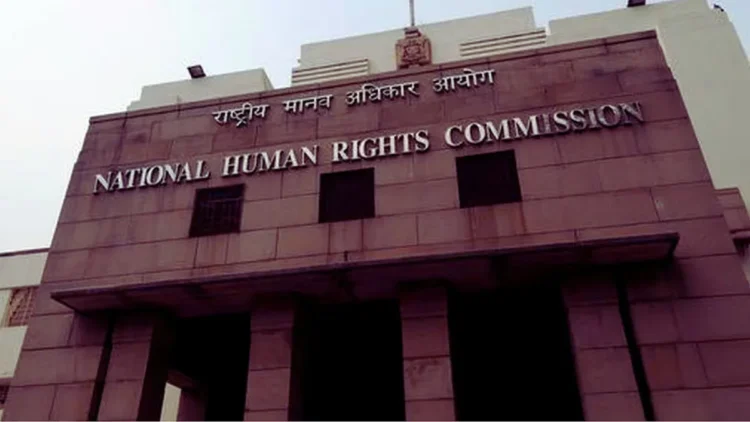
The National Human Rights Commission (NHRC) on Thursday sought explanations from all states and Union Territories following complaints that private schools are recommending books from private publishers instead of prescribed academic materials. Authorities have been instructed to review the situation and provide detailed reports within a fixed timeframe.
Concerns Over Deviation From Prescribed Textbooks
The action follows a complaint submitted earlier this month, highlighting that many private institutions, including those affiliated with national boards, are not adhering to textbooks recommended by official academic bodies. Instead, they are opting for publications from private publishers, which may not align with established guidelines.
According to the complaint, this approach conflicts with provisions under the Right to Education Act, which assigns responsibility for curriculum and textbooks to designated academic authorities. The NHRC has taken note of this issue and emphasized the need for strict compliance.
Financial Burden on Families Highlighted
One of the key issues raised is the cost impact on parents. Official textbooks are generally priced to remain affordable and accessible, while privately published materials often come at a significantly higher cost. This shift, the Commission observed, could place unnecessary financial strain on families, particularly those with limited resources.
The complaint also pointed out that such practices run counter to the broader goals of recent education reforms, which aim to make learning more inclusive and affordable across the country.
Increased Academic Load Raises Health Concerns
Another matter brought to the Commission’s attention is the growing academic burden on students. The use of multiple textbooks and supplementary materials has reportedly led to heavier school bags, raising concerns about student well-being.
Guidelines under the School Bag Policy set clear limits on the weight children should carry and discourage unnecessary materials. Non-compliance, as noted in the complaint, could have adverse effects on students’ physical health, especially among younger age groups.
Directions Issued to State Authorities
Invoking its statutory powers, the NHRC has asked Chief Secretaries and administrators of Union Territories to provide specific information. This includes details on whether local authorities have been directed to monitor compliance, as well as data on student enrollment in both government and private schools.
Additionally, states have been asked to report on the number of textbooks procured for the current academic session and clarify whether inspections or audits of school booklists have been conducted.
Mandatory Audits and Policy Implementation
In cases where such assessments have not taken place, the Commission has instructed authorities to carry out school-level audits within 30 days. These audits are expected to examine whether institutions are following prescribed norms regarding textbooks.
Authorities have also been directed to ensure proper implementation of the School Bag Policy, including issuing necessary instructions to schools to limit unnecessary academic materials.
Role of Education Ministry Under Review
The NHRC has further reached out to the Ministry of Education, seeking clarity on the role of academic bodies in determining curriculum and textbooks. It has also questioned whether examination boards should have the authority to prescribe textbooks at the elementary level.
Deadline Set for Action Taken Reports
All concerned authorities have been given 30 days to submit an Action Taken Report, along with supporting documents. The Commission is expected to review these submissions to determine the next course of action.
The issue has brought renewed attention to the balance between academic standards, affordability, and student well-being, with policymakers now under pressure to ensure that existing rules are followed effectively.