
DrugQuality – Government Intensifies Monitoring of Medicine Safety Standards
DrugQuality –India’s drug regulatory authorities have continued their nationwide surveillance efforts to ensure the safety and quality of medicines available to consumers. According to an official update, the Central Drugs Standard Control Organisation (CDSCO) has released its latest monthly report highlighting medicines that failed to meet prescribed quality standards and identifying one suspected spurious drug sample during inspections conducted in May 2026.
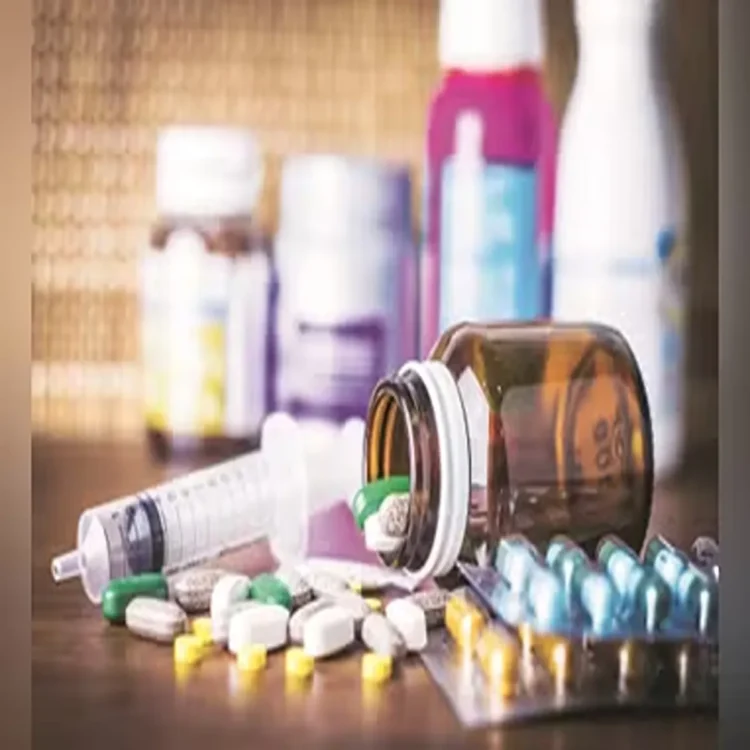
Quality Testing Reveals Several Non-Compliant Drug Samples
The latest findings show that government laboratories at the central level classified 46 medicine samples as Not of Standard Quality (NSQ) during May. In addition, State Drugs Testing Laboratories reported 113 samples that did not satisfy required quality benchmarks.
Officials explained that medicines are categorized as NSQ when laboratory testing reveals failure in one or more specified quality parameters. These assessments are part of routine monitoring exercises conducted to maintain compliance with pharmaceutical regulations and protect public health.
The CDSCO emphasized that such findings relate only to the specific batches tested and should not automatically be interpreted as concerns regarding all products manufactured under the same brand or category.
Authorities Clarify Scope of Quality Failures
Regulators stated that the identification of NSQ medicines is limited to the particular samples examined by government laboratories. The clarification aims to prevent unnecessary confusion among consumers and healthcare providers regarding medicines that remain compliant with approved quality standards.
The monthly publication of these findings forms part of a broader regulatory framework designed to increase transparency and encourage manufacturers to maintain consistent quality controls across production facilities.
One Spurious Drug Sample Under Investigation
Alongside the NSQ findings, authorities reported the detection of one spurious drug sample originating from Assam. Preliminary investigations indicated that the product had been manufactured by an unauthorized entity while using a brand name legally owned by another company.
Officials confirmed that the matter is currently being investigated. Regulatory authorities are expected to take action under the provisions of applicable drug laws and rules once the inquiry is completed.
The detection of counterfeit or falsely branded medicines remains a key focus area for regulators due to the potential risks such products may pose to patients and healthcare systems.
Joint Efforts Between Central and State Regulators
Drug quality monitoring is carried out through coordinated efforts involving both central and state regulatory agencies. The objective is to identify substandard or potentially unsafe medicines at an early stage and remove them from circulation whenever necessary.
Authorities noted that continuous sampling, laboratory analysis, and market surveillance play a vital role in maintaining confidence in the pharmaceutical supply chain. Regular inspections also support enforcement actions against manufacturers or distributors found to be violating established standards.
New Rules Strengthen Oversight of Cough Syrup Sales
The latest quality surveillance report follows another significant regulatory development announced earlier by the Union Ministry of Health and Family Welfare. The ministry recently amended provisions under the Drugs Rules, 1945, aimed at tightening oversight of liquid medicinal formulations, particularly cough syrups.
Under the revised rules, an earlier exemption that allowed the sale of cough syrups in villages with populations below 1,000 without standard retail licensing requirements has been withdrawn.
The amendment was introduced through Gazette Notification G.S.R. 927 (E), which removed the term “Syrup” from a relevant exemption category under Schedule K. As a result, cough syrups can now be sold or dispensed in these rural areas only through properly licensed pharmacies.
Public Health Considerations Behind the Amendment
According to the Health Ministry, the regulatory change was introduced to strengthen supervision of syrup-based medicines and ensure that existing exemptions reflect current public health and safety expectations.
Officials believe the updated framework will help improve accountability within the medicine distribution network while ensuring that pharmaceutical products are supplied through authorized channels subject to regulatory oversight.