
Munich Attack Verdict – Court Set to Deliver Judgment in Deadly Car-Ramming Case
Munich Attack Verdict –A German court is scheduled to announce its verdict on Thursday in the trial of an Afghan national accused of carrying out a deadly vehicle attack in Munich that claimed the lives of a two-year-old girl and her mother while leaving dozens of others injured. The case has drawn widespread attention across Germany because of its impact on public safety discussions and immigration policy.
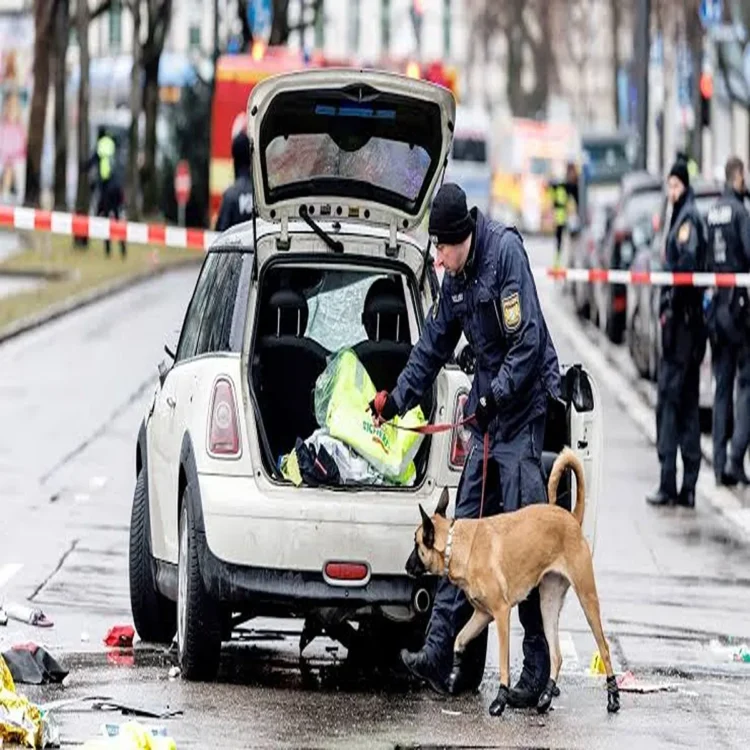
Court Awaits Decision After Months of Trial
The accused, identified by German authorities as Farhad N., has been facing trial since January. Prosecutors allege that the 24-year-old intentionally drove a car into a trade union demonstration involving around 1,400 participants on February 13, 2025. They have requested a life prison sentence along with additional legal provisions that would make any possibility of early release highly unlikely.
The final judgment is expected to be delivered on August 6, 2026, bringing months of courtroom proceedings to a close.
Charges and Details of the Incident
Farhad N. has been charged with two counts of murder. He was initially accused of 44 counts of attempted murder, although several of those allegations were later revised. According to court records, many of the original attempted murder charges were replaced with bodily harm charges, including 19 classified as causing serious injury.
Investigators stated that the attack occurred while Munich was preparing to host the internationally recognised Munich Security Conference, an event attended by leading political and defence officials from around the world.
Victims Suffered Fatal Injuries
Authorities said the vehicle involved, a Mini Cooper, struck the crowd with significant force. A 37-year-old woman and her two-year-old daughter were reportedly thrown several metres through the air after the impact. Both suffered severe head injuries and later died in hospital despite medical treatment.
Witnesses described scenes of panic immediately after the collision. One statement presented by prosecutors compared the impact to people being “thrown in different directions,” highlighting the scale of the chaos.
According to the official indictment, the vehicle travelled about 23 metres before stopping because bodies underneath and in front of the car caused its front wheels to lose contact with the road.
Motive Remains Central to Prosecution Case
Prosecutors argue that the attack was driven by religious extremism. They told the court that the accused reportedly shouted “Allahu Akbar” after the incident. However, investigators have stated that they found no evidence linking him to an organised extremist organisation such as the so-called Islamic State.
The defence has requested that Farhad N. be placed in a psychiatric institution rather than receive a standard prison sentence. Court-appointed medical experts, however, concluded that although he had mental health issues, those conditions did not significantly reduce his criminal responsibility.
Background of the Accused
Farhad N. arrived in Germany in 2016 as an unaccompanied minor at the age of 15. Although his asylum application was rejected, he remained in the country under existing legal provisions and later secured employment.
Police investigations found that he had worked in the private security sector and was actively involved in fitness training and bodybuilding. Authorities also believe he became increasingly radicalised in the months before the attack after consuming online content from extremist Afghan religious figures.
Political Impact Beyond the Courtroom
The Munich attack occurred only days before Germany’s February 2025 federal election, during a period when several violent incidents involving foreign nationals intensified national debate over immigration and internal security.
The election resulted in the conservative CDU/CSU alliance finishing first, allowing Friedrich Merz to become Chancellor after promising stricter immigration measures. Meanwhile, the far-right Alternative for Germany (AfD) achieved its strongest national election result, receiving more than 20 percent of the vote.
Since then, political polling has shown continued changes in voter preferences, with the AfD maintaining a strong position while support for the governing conservative alliance has weakened, keeping immigration and security among Germany’s most closely watched political issues.