
FoodSafety – Maharashtra Bans Analogue Paneer Amid Growing Consumer Health Concerns
FoodSafety –Traditional paneer has long been regarded as a nutritious source of protein and calcium in Indian diets. However, increasing concerns over the sale of non-dairy alternatives disguised as conventional paneer have prompted Maharashtra to take a significant regulatory step. The state has become the first in India to ban the manufacture, storage, sale and distribution of analogue paneer, aiming to strengthen food transparency and protect consumers from misleading food practices.
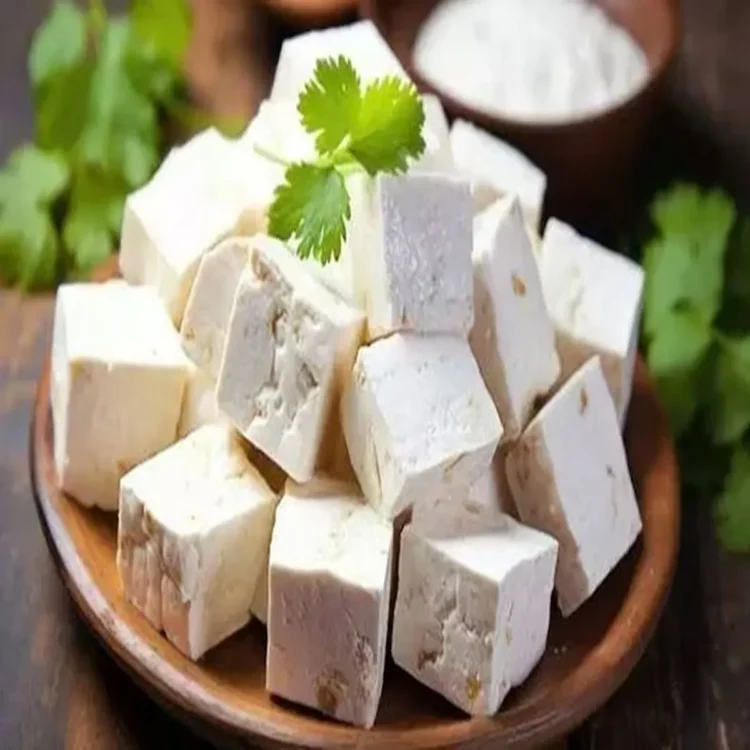
Maharashtra Takes Action Against Mislabelled Paneer
The state government’s decision follows rising concerns that many restaurants and food vendors have allegedly been serving analogue paneer without informing customers. Unlike traditional paneer prepared from milk, analogue paneer is manufactured using vegetable fats, starches, emulsifiers and various food additives. Health experts believe that consumers are often unable to distinguish between the two products, leading to confusion about the nutritional value of the food they consume.
Food safety authorities have also been encouraging stricter labelling standards so buyers can clearly identify whether a product is dairy-based or made using alternative ingredients. Officials believe accurate labelling is essential for informed consumer choice and improved public health protection.
Experts Explain the Nutritional Difference
According to Dr. Mahendra Singh Rajput, Senior Consultant in Gastroenterology at Amrita Hospital, Faridabad, genuine paneer naturally contains high-quality milk protein, calcium and other essential dairy nutrients. In contrast, many varieties of analogue paneer rely on vegetable oils, refined starches and additives rather than milk.
He explained that while traditional paneer has remained one of India’s most reliable protein-rich foods, some low-cost substitutes provide considerably lower nutritional value. Consumers expecting the health benefits associated with dairy paneer may instead consume products that contain more calories but significantly less protein and calcium.
Medical experts caution that such substitutions may not provide the same feeling of fullness and could contribute to higher calorie intake without delivering comparable nutritional benefits.
Research Highlights Food Safety Concerns
Health specialists also point to published scientific findings that identify common forms of paneer adulteration. Studies have reported that the addition of vegetable fats, non-dairy proteins, starches and preservatives can reduce nutritional quality while increasing the possibility of microbial or chemical contamination if manufacturing standards are inadequate.
Researchers have further noted that children, elderly individuals and people with higher nutritional requirements could face greater risks if they regularly consume poorly manufactured or incorrectly labelled products. These findings have strengthened calls for tighter quality control measures across the food industry.
Plant-Based Products Are Not the Main Issue
Doctors emphasise that consumers should not assume every dairy alternative is unhealthy. Many plant-based products are carefully formulated for specific dietary preferences and nutritional needs. The primary concern, experts say, arises when low-quality analogue paneer is presented or sold as genuine dairy paneer without proper disclosure.
Transparent ingredient information allows buyers to make informed dietary decisions based on their personal health requirements, allergies or nutritional goals. Accurate labelling remains one of the most effective ways to build consumer trust and maintain food safety standards.
Tips for Choosing Genuine Paneer
Experts recommend purchasing paneer from recognised brands, licensed dairies or reliable retailers. Reading ingredient labels carefully is equally important before making a purchase. If vegetable oil, starch or multiple stabilisers appear as the primary ingredients instead of milk, the product is likely to be analogue paneer rather than traditional dairy paneer.
The Maharashtra government’s move also serves as a reminder for consumers to pay closer attention to product labels instead of relying solely on appearance or price. Whether buying paneer from a supermarket or ordering a dish at a restaurant, understanding what is being served is essential for making healthier and more informed food choices.