
Ebola – WHO Urges Faster Action as Congo Outbreak Continues to Escalate
Ebola –The World Health Organization has called for an immediate expansion of disease control measures as the Ebola outbreak in the Democratic Republic of Congo continues to grow at a pace that is outstripping current response efforts.
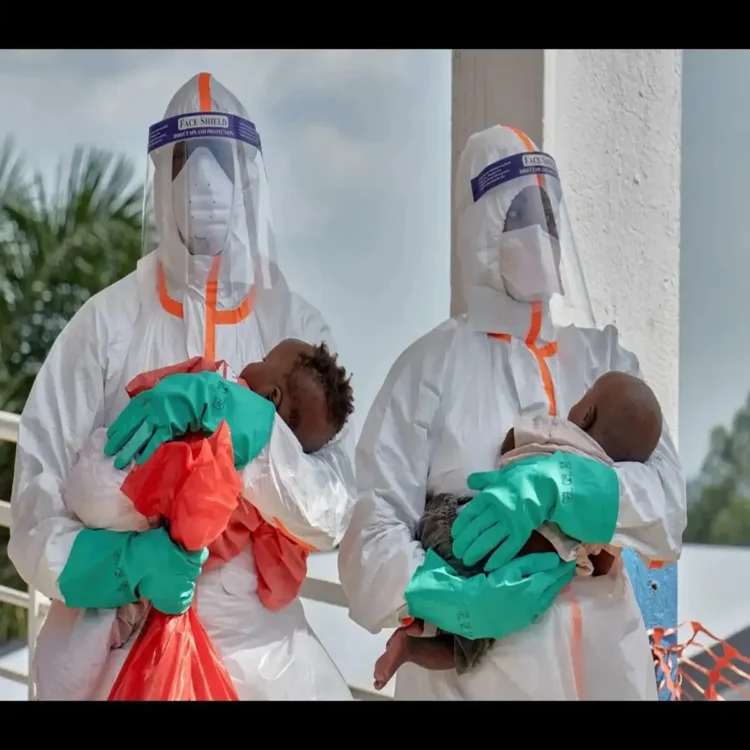
Health officials have raised fresh concerns after the World Health Organization (WHO) warned that the Ebola outbreak in the Democratic Republic of Congo is advancing faster than ongoing containment measures. During his visit to Kinshasa on Wednesday, WHO Director-General Tedros Adhanom Ghebreyesus stressed that stronger coordination and a rapid increase in response efforts are essential to prevent the crisis from worsening. The visit marked his second trip to the country since the outbreak was officially declared in mid-May.
Cases Continue to Rise Across Affected Regions
According to the latest figures released by Congo’s Ministry of Health, the outbreak had resulted in 3,874 confirmed infections and 1,751 deaths as of Monday. Health experts have noted that some of the hardest-hit areas are witnessing a rapid increase in new infections, with case numbers doubling within a short period. Officials believe the current situation requires immediate reinforcement of surveillance, treatment facilities, and community outreach programs.
Healthcare Disruptions Create Additional Challenges
The situation has become even more complicated in Ituri province, the center of the outbreak, where several frontline healthcare workers have suspended their duties because of disputes over unpaid salaries and demands for better wages. Although some workers have reportedly begun receiving delayed payments, many continue to seek improved compensation.
Residents say the strike has significantly affected access to medical care in remote communities already facing insecurity due to ongoing armed conflict. Families in the region have expressed concern that reduced healthcare services are limiting timely diagnosis and treatment for infected patients.
International Support Increases Funding
The United States announced an additional $242 million in emergency assistance to strengthen Ebola response operations, preparedness activities, and humanitarian support across the affected region. With the latest commitment, total direct U.S. assistance linked to the outbreak has surpassed $512 million. International agencies continue working alongside Congolese authorities to improve medical infrastructure, surveillance, and emergency response capacity.
Outbreak Sets New Transmission Records
Public health experts say this has become the fastest-spreading Ebola outbreak ever recorded. It is now considered the second-largest Ebola epidemic in history, surpassed only by the 2014-2016 West Africa outbreak, which infected more than 28,000 people and claimed over 11,000 lives.
The current outbreak is being caused by the Bundibugyo strain of the Ebola virus. Medical authorities note that there is currently no approved vaccine or specific treatment available for this strain, making prevention, early detection, and supportive care especially important. Investigators also believe the virus had been circulating in remote communities before it was officially identified in May.
Contact Tracing Remains a Major Concern
The Africa Centres for Disease Control and Prevention (Africa CDC) has acknowledged significant shortcomings in contact tracing efforts. According to Africa CDC Director-General Dr. Jean Kaseya, between 60% and 70% of newly confirmed infections are emerging from individuals who were not previously identified as contacts of known patients, making it more difficult to interrupt transmission.
Health authorities also attribute the outbreak’s approximately 45% fatality rate to delays in identifying infected individuals. During one recent 24-hour reporting period, 77 new cases were recorded, including 44 deaths. Officials reported that 717 patients remain in isolation while 749 people have recovered from the disease.
Community Trust Seen as Essential to Containment
Following meetings with national and international response teams, both WHO and Africa CDC emphasized the need for stronger cooperation, quicker case detection, expanded access to quality healthcare, and improved engagement with local communities.
Tedros said the response must reach every affected area while ensuring healthcare workers receive the support and protection they need. He also underlined that community participation remains central to controlling the outbreak, stating that lasting progress will depend on public trust, local leadership, and close collaboration between authorities and residents.