
Senate Race – Abdul El-Sayed Secures Narrow Michigan Democratic Primary Victory
Senate Race – Abdul El-Sayed claimed a closely contested victory in Michigan’s Democratic primary for the U.S. Senate, emerging ahead of Representative Haley Stevens after one of the most competitive statewide races in recent memory. The result positions him to face Republican Mike Rogers in November, with the contest expected to play a major role in determining control of the U.S. Senate.
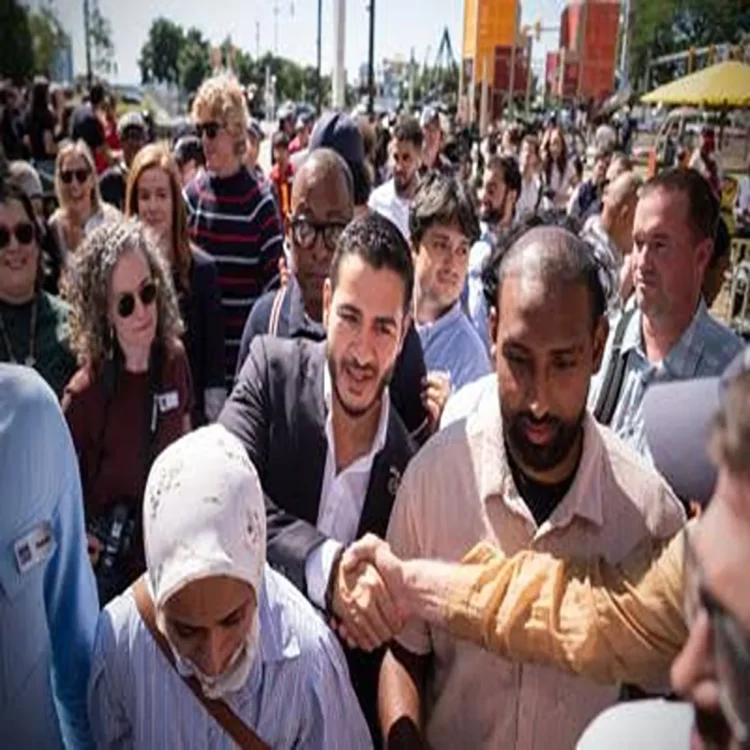
Abdul El-Sayed secured the Democratic nomination only after an extremely tight statewide count that stretched into Wednesday morning. Election officials confirmed his win after nearly all ballots had been processed, with El-Sayed finishing ahead by fewer than one percentage point among more than 1.5 million votes cast. The narrow outcome reflected deep competition within the Democratic Party while highlighting growing support for his progressive platform.
Progressive Campaign Overcomes Significant Challenges
The 41-year-old candidate entered the race without previous elected experience. After losing Michigan’s Democratic gubernatorial primary in 2018, he spent several years outside elected politics, focusing on public engagement through writing, podcasting, television appearances, and online platforms.
His political opportunity emerged when Senator Gary Peters announced he would not seek another term, opening one of the country’s most closely watched Senate seats. Launching his campaign with a small team in 2025, El-Sayed gradually expanded his outreach through hundreds of community meetings across Michigan.
During his victory remarks, he reflected on the campaign’s modest beginnings, recalling conversations held before only a handful of supporters before the movement steadily expanded throughout the state.
Grassroots Strategy Drives Momentum
According to the campaign, El-Sayed visited more than 100 cities and organized over 500 campaign events while building a volunteer network that eventually grew to around 12,000 people. Supporters described the campaign as one that steadily gained strength through consistent grassroots organizing rather than relying solely on traditional political infrastructure.
His media strategy also differed from many conventional campaigns. Alongside interviews with established news organizations, El-Sayed regularly appeared on podcasts, digital programs, and online platforms to reach younger and independent audiences. Some appearances generated criticism, but the campaign maintained that expanding voter engagement remained a central objective.
Two-Person Contest Changed the Race
The Democratic primary shifted significantly after State Senator Mallory McMorrow ended her campaign in early July, leaving El-Sayed and Haley Stevens as the remaining major contenders. From that point onward, El-Sayed intensified his message that the campaign represented a people-powered movement focused on economic reform and reducing the influence of large political spending.
In the closing days before the election, campaign volunteers increased voter outreach efforts across major Michigan cities. Election Day included interviews with both digital creators and traditional news organizations before supporters gathered in Detroit to await the final results.
November Election Expected to Draw National Attention
El-Sayed’s nomination is being viewed by progressive leaders as an important test of whether their political agenda can succeed in a highly competitive battleground state. Throughout the primary, he promoted policies including Medicare for All, campaign finance reform, and changes to U.S. policy toward Israel, while receiving endorsements from prominent progressive figures such as Bernie Sanders and Representative Alexandria Ocasio-Cortez.
Outside organizations supporting Haley Stevens invested tens of millions of dollars during the primary campaign, making it one of the most expensive Democratic contests in Michigan history. Despite that financial disadvantage, El-Sayed secured the nomination through a narrow statewide victory.
The next challenge now shifts to the general election against Republican Mike Rogers. Republican organizations have already committed substantial advertising resources, while other outside groups have indicated they will remain active throughout the campaign. Following her concession, Stevens expressed support for El-Sayed, and Michigan Democratic leaders have emphasized the importance of party unity ahead of November’s closely watched Senate election.