
Conservation – Centre Approves New Scheme to Protect 15,000 Sacred Forest Groves Nationwide
Conservation – The Union government has unveiled a major conservation initiative aimed at safeguarding more than 15,000 sacred forest groves across India under the newly introduced Aastha Van Sanrakshan Yojana. The programme has received a financial allocation of Rs 3,000 crore for implementation over the next five years, with the objective of preserving ecologically important forest patches that also hold deep cultural and spiritual value for local communities.
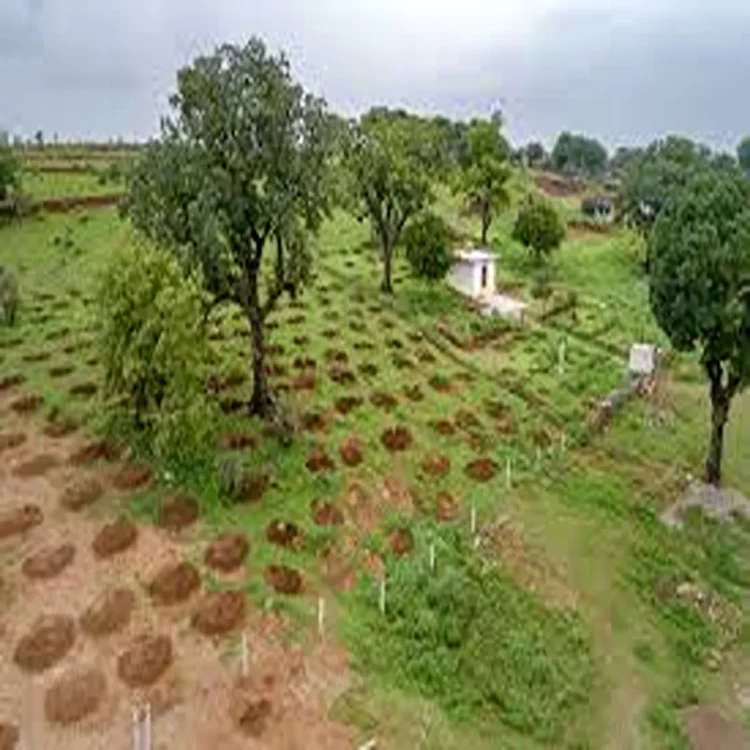
New Programme Focuses on Community-Protected Forest Areas
The decision was approved by Union Minister for Environment, Forest and Climate Change Bhupender Yadav during the seventh Governing Body meeting of the National Compensatory Afforestation Fund Management and Planning Authority (CAMPA), held in Coimbatore.
Sacred groves, commonly known as Aastha Vans, are forested areas traditionally protected by local residents, particularly tribal communities, because of their religious beliefs and long-standing cultural practices. Besides their spiritual importance, these forests contribute significantly to environmental conservation by preserving biodiversity and acting as natural sources of streams and drinking water in many regions.
Officials said the scheme will operate from the financial year 2026-27 through 2030-31. Alongside protecting these sacred forests, the initiative will also support landscape restoration projects intended to address land degradation and the decline of biodiversity through funding from the National Fund.
Supreme Court Order Strengthened Conservation Efforts
The latest decision comes after the Supreme Court, on December 18, 2024, directed the Centre to ensure protection of sacred groves while hearing a matter related to such forests in Rajasthan.
For many indigenous and rural communities, these forest patches are closely connected to their identity, traditions and ancestral heritage. They are regarded not only as places of worship but also as symbols of ecological balance that have been preserved for generations through community participation.
A notable legal precedent was set in the Niyamgiri Hills case, where the Supreme Court ruled in favour of the Dongria Kondh tribal community. The court held that mining activities proposed in the region would interfere with the community’s religious practices, recognising their right to worship in the sacred landscape.
CAMPA Reviews Afforestation and Forest Protection Measures
During the meeting, CAMPA also assessed its overall performance and examined the progress of compensatory afforestation activities undertaken by states and Union Territories. Discussions included the collection, approval and transfer of CAMPA funds during the 2025-26 financial year, as well as the assessment of the net present value linked to forest diversion projects.
The Governing Body reviewed the certification audit of the National CAMPA Authority’s annual accounts for the financial year 2024-25, which had been conducted by the Comptroller and Auditor General. Several recommendations made by the Executive Committee relating to wildlife conservation and forestry projects also received approval.
Fresh Support for Wildlife Conservation Projects
Among the initiatives cleared were scientific studies and conservation plans for several endangered species. These include the Conservation and Recovery Action Plan for River Dolphins, the second phase of Project Snow Leopard, the Conservation Action Plan for the Indian Rhinoceros, and a nationwide strategy for protecting the wild water buffalo. Financial assistance was also approved for the conservation of Manipur’s endangered brow-antlered deer, popularly known as Sangai.
Officials also highlighted the progress achieved under the Nagar Van Yojana. According to the government, 652 urban forests and green parks have been developed with financial support amounting to Rs 571.50 crore. In addition, Rs 7.28 crore has been released to the Indian Council of Forestry Research and Education through the Green Credit Scheme to encourage expansion of plantation-based green cover. The Governing Body urged states and Union Territories to accelerate similar initiatives in the coming years to strengthen environmental protection and sustainable forest management.