
Agriculture – Weak Monsoon Outlook Raises Concerns for India’s Farm Sector
Agriculture – India’s agriculture sector is likely to encounter a challenging year ahead, as early indicators point to a weaker-than-usual monsoon along with global and geopolitical risks that could disrupt farm inputs and output.
Early Forecast Signals Below-Normal Rainfall
India’s weather office has released its initial long-range outlook for the 2026 Southwest Monsoon, estimating rainfall at around 92% of the Long Period Average, with a margin of variation. This projection suggests rainfall may fall short of the seasonal norm. Analysts note that this is among the lowest preliminary forecasts in over two decades, marking a clear shift from the past two years when monsoon performance remained above average.
Such early signals are closely watched because they often shape expectations across agriculture, rural consumption, and inflation trends. A weaker forecast at this stage tends to raise caution among policymakers and market participants alike.
Impact on Kharif Crops and Rural Economy
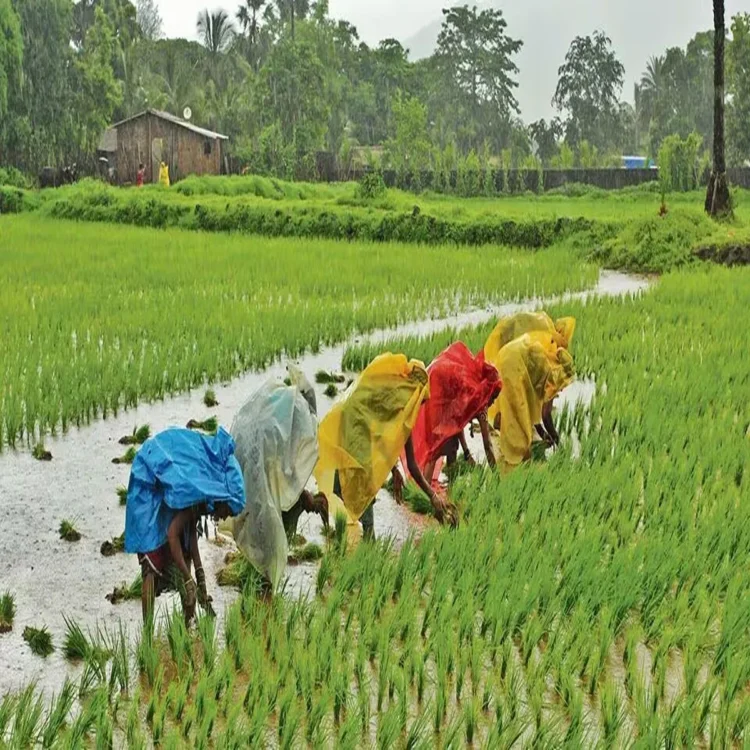
The June to September monsoon season plays a critical role in supporting kharif crops such as rice, pulses, and oilseeds. Any shortfall in rainfall during this period can directly affect sowing activity and crop yields. Lower agricultural output, in turn, may reduce farm incomes and limit rural spending power.
Experts warn that insufficient rainfall could also affect food supply, leading to upward pressure on prices. At the same time, reservoirs that rely on monsoon rains for replenishment may not recover adequately, potentially tightening water availability for irrigation and other needs in the months ahead.
El Niño Risk Adds to Uncertainty
Global climate models have indicated a growing possibility of El Niño conditions developing during mid-2026. Historically, such conditions have been associated with weaker monsoon performance in India. Current estimates suggest a moderate likelihood of this weather pattern emerging between June and August.
Even if the intensity of El Niño remains uncertain, its presence could influence rainfall distribution and timing. This adds another layer of unpredictability for farmers, especially those dependent on timely rains for sowing and crop development.
Fertilizer Supply Concerns Amid Global Tensions
In addition to weather-related challenges, the availability of fertilizers has emerged as another area of concern. Ongoing tensions in West Asia may disrupt supply chains for key raw materials and finished fertilizer products.
Any interruption in supply could affect domestic production levels, forcing authorities to explore alternative sourcing options. Ensuring timely and adequate fertilizer availability will be crucial for maintaining crop productivity during the kharif season.
Growth and Inflation Outlook Under Pressure
Given these risks, projections for agricultural growth in the coming financial year appear uncertain. Estimates suggest that the sector’s expansion could face downside pressure if rainfall remains below expectations.
Food inflation is another area to watch. With the possibility of reduced output, consumer prices—particularly for essential food items—may remain elevated. While rural demand could see some support in the early months due to income from the rabi harvest, its sustainability will largely depend on how the monsoon unfolds.
Reservoir Levels Offer Partial Relief
Despite these concerns, current water storage levels provide some reassurance. Reservoirs across the country are holding higher-than-average water reserves compared to both last year and long-term trends. This buffer may help offset some of the immediate impact of a weak monsoon, especially in regions with better storage conditions.
However, not all areas are equally positioned, with parts of eastern and southern India still facing relatively lower reserves. This uneven distribution means that regional disparities in water availability could persist.
Policy Support and Rainfall Distribution Key Factors
Maintaining farmer confidence will depend significantly on government support measures, including reasonable increases in minimum support prices for key crops. Additionally, even if total rainfall remains below normal, a well-distributed monsoon across regions and time periods could reduce potential damage.
Ultimately, the outlook for India’s agriculture sector will hinge on a combination of weather developments and global conditions in the coming months. A balanced monsoon, stable input supply, and supportive policies will be essential to navigate the challenges ahead.