
Economy – Akhilesh Yadav Targets Centre Over PM Modi’s Economic Appeal
Economy – Prime Minister Narendra Modi’s recent appeal for economic caution has triggered a sharp political response from Samajwadi Party president Akhilesh Yadav, who accused the BJP-led government of being responsible for the country’s economic troubles.
Prime Minister Modi had recently urged citizens to adopt measures aimed at reducing unnecessary expenditure as international crude oil prices continue to rise due to tensions between Iran and the United States. His suggestions included limiting gold purchases, avoiding non-essential foreign travel, and preferring work-from-home arrangements wherever possible to reduce fuel consumption.
Akhilesh Yadav Questions Government’s Economic Handling
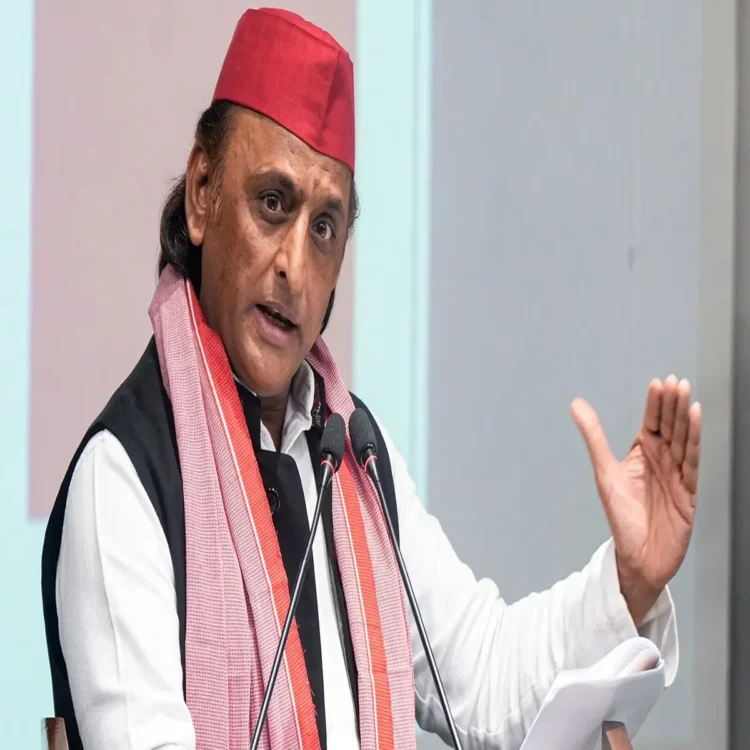
Addressing reporters on Tuesday, Akhilesh Yadav strongly criticised the Centre’s appeal, arguing that the statement reflected growing concerns within the government itself. He said the BJP, which has repeatedly highlighted its economic achievements in the past, must now explain why the economy is facing pressure.
The Samajwadi Party chief remarked that the current situation was not merely a public advisory but an indication of weakening confidence within the ruling establishment. He questioned why the rupee continued to decline against the US dollar and asked why such cautionary appeals had become necessary if the economy was performing well.
Yadav also referred to earlier promises made by the government, including commitments related to increasing farmers’ income and improving overall earnings for citizens. According to him, the present economic uncertainty has raised doubts about those assurances.
PM Modi Raises Concerns Over Global Economic Pressure
The Prime Minister made the remarks during a BJP event in Hyderabad on Sunday. In his address, he stressed the importance of conserving foreign exchange reserves and reducing fuel consumption at a time when global supply chains are under strain because of prolonged geopolitical tensions in West Asia.
The Centre’s concern comes amid growing fears that rising crude oil prices could increase inflationary pressure in India. Higher fuel costs are expected to impact transportation, manufacturing, and household expenses if the global situation remains unstable for an extended period.
Government officials and market experts have also been monitoring the possible effect on India’s import bill, as the country depends heavily on imported crude oil to meet domestic energy demand.
Political Debate Intensifies Ahead of Uttar Pradesh Elections
Akhilesh Yadav’s comments also carried political significance as parties begin preparing for the upcoming Uttar Pradesh Assembly elections. While speaking in Prayagraj, the Samajwadi Party leader avoided revealing details of his election strategy but used the opportunity to intensify criticism of the BJP government.
He argued that the economic slowdown and weakening currency were directly linked to policy failures by those currently in power. According to Yadav, the ruling party would face public dissatisfaction if economic conditions continued to worsen.
The exchange between the BJP and opposition leaders is expected to sharpen further as inflation, fuel prices, and employment remain key political issues ahead of major state elections.
Global Tensions Push Oil Prices Higher
The latest economic concerns emerged after reports that US President Donald Trump rejected a recent peace proposal linked to Iran’s nuclear negotiations. Following the development, international crude oil prices reportedly crossed the $105-per-barrel mark, increasing worries over global energy security.
Reports indicated that Iran had offered to transfer a portion of its enriched uranium stockpile to another country while refusing to dismantle its nuclear infrastructure, one of Washington’s primary demands during ongoing negotiations.
The continuing uncertainty surrounding the conflict has added pressure on global financial markets and raised fears of prolonged instability in energy supplies. Several countries, including India, are closely monitoring developments due to their possible impact on inflation, trade, and economic growth.