
Conflict – Baloch Leaders Criticise Pakistan Army Remarks on Women
Conflict – Pakistan’s military establishment has come under criticism from Baloch activists after remarks linked to India’s “Operation Sindoor” triggered a wider debate over gender attitudes and women’s role in society.
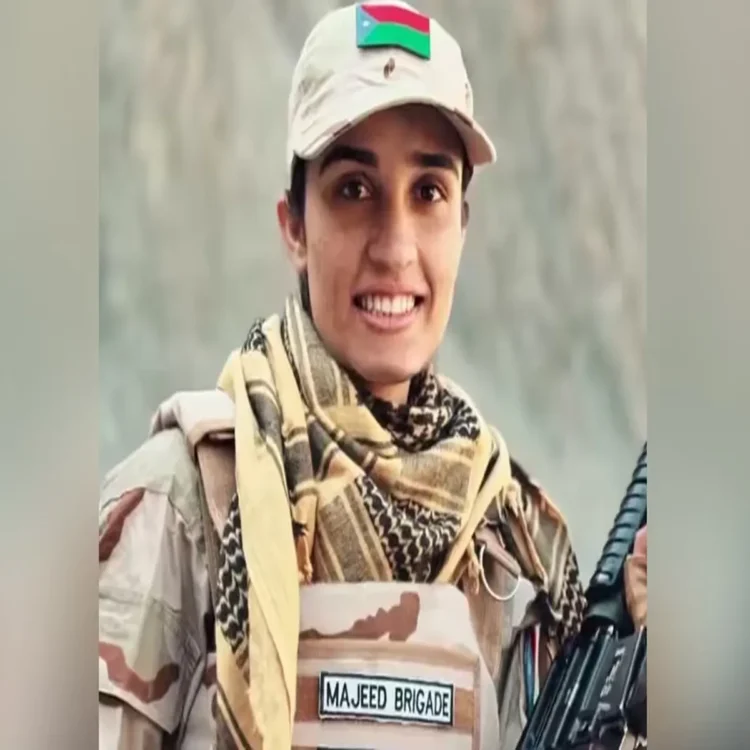
Naseem Baloch, chairman of the Baloch National Movement, strongly criticised comments reportedly made by Pakistan’s military spokesperson regarding the naming of India’s military operation “Operation Sindoor.” According to Naseem, the reaction exposed entrenched patriarchal thinking and reflected how women continue to be viewed in many sections of Pakistani society.
Remarks Spark Political Reaction
The controversy began after statements attributed to Pakistan’s Director-General of Inter-Services Public Relations suggested that a military campaign should have been given a “masculine” title rather than one associated with women. The comments quickly drew criticism from activists and rights groups.
Responding to the issue, Naseem Baloch said the debate was no longer about the operation’s name alone, but about broader social attitudes toward women. He argued that associating femininity with weakness reveals deep-rooted prejudice that continues to shape public discourse in Pakistan.
He further stated that women in the country often face unequal treatment and social discrimination, adding that campaigns advocating gender rights are frequently mocked or targeted with hostility. According to him, women-led initiatives and public demonstrations demanding equal rights continue to encounter resistance from conservative sections.
Balochistan’s Historical Role of Women Highlighted
While criticising patriarchal attitudes, Naseem also pointed to the historical role played by women in Baloch society. He said Baloch women have traditionally participated in social leadership, resistance movements, and community affairs alongside men.
According to the BNM chairman, women in Balochistan have long been recognised for their courage and influence rather than being restricted to limited social roles. He added that the contribution of women in public life and political struggles demonstrates that leadership and bravery are not defined by gender.
The statement has gained attention among rights activists, especially amid continuing debates over freedom of expression, gender equality, and regional political tensions within Pakistan.
BYC Raises Concerns Over Aurat March Restrictions
The latest controversy comes shortly after the Baloch Yakjehti Committee criticised the Sindh government for allegedly preventing the organisation from participating in the Aurat March programme.
The group claimed that restrictions imposed on its participation reflected what it described as “state fascism” against political voices from Balochistan. The committee also objected to reports that both the BYC and Jeay Sindh Qaumi Mahaz were mentioned as banned organisations in documents linked to permissions for the march.
Questioning the legal basis of the decision, the BYC stated that no Pakistani court had formally outlawed the organisation. It maintained that the committee functions as a peaceful political and human rights movement and argued that there was no judicial order supporting such restrictions.
Human Rights Concerns Continue
The organisation also highlighted ongoing concerns regarding enforced disappearances, alleged extrajudicial actions, and reported human rights violations in Balochistan. According to the BYC, activists and public movements in the region have increasingly faced pressure over the past year.
The developments have once again drawn attention to tensions between the Pakistani state and Baloch advocacy groups, many of which continue to demand accountability, political representation, and protection of civil rights.
Observers believe the recent debate surrounding the “Operation Sindoor” remarks has widened into a larger conversation about gender perceptions, freedom of political expression, and the treatment of dissenting voices in Pakistan.