
RuralDevelopment – West Bengal Moves Ahead With Revival of Key Welfare Schemes
RuralDevelopment – Several major welfare and development programs supported by the Central government are set to resume across West Bengal after remaining largely inactive for the past few years. The announcement was made on Thursday by Panchayats and Rural Development Minister Dilip Ghosh, who said the release of central funds has paved the way for the implementation of multiple rural initiatives aimed at improving livelihoods and infrastructure.
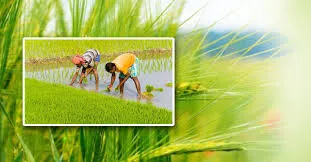
Focus Returns to Rural Development
According to the minister, the renewed flow of financial assistance is expected to accelerate work in crucial sectors such as employment generation, housing support, and village infrastructure. Funding for a number of centrally sponsored schemes had remained restricted since 2022 following allegations related to irregularities and corruption, which led to delays in project execution.
Ghosh stated that several important programmes administered through the state’s Panchayats and Rural Development Department have now become operational once again. These include the Mahatma Gandhi National Rural Employment Guarantee Scheme (MGNREGS), Pradhan Mantri Awaas Yojana-Gramin (PMAY-G), Pradhan Mantri Gram Sadak Yojana (PMGSY), Deendayal Antyodaya Yojana-National Rural Livelihoods Mission (DAY-NRLM), Rashtriya Gram Swaraj Abhiyan (RGSA), National Social Assistance Programme (NSAP), and schemes financed through Central Finance Commission grants.
Major Road Connectivity Project Approved
A significant infrastructure initiative has also received policy clearance under the Pradhan Mantri Gram Sadak Yojana. The minister informed that approval was granted during a meeting of the Empowered Committee of the Union Ministry of Rural Development held on May 27.
As part of the proposed plan, nearly 2,790 kilometres of rural roads and 45 bridges are expected to be constructed across different districts of West Bengal. The project carries an estimated cost of around Rs 2,500 crore and will be funded jointly by the Centre and the state government. Officials indicated that groundwork for implementation will begin immediately after the completion of formal administrative procedures.
Employment Scheme Set for Fresh Start
One of the most notable developments concerns the revival of the rural employment programme commonly known as the 100-day work scheme. The minister said preparations have been completed to restart employment-related activities in all Gram Panchayat areas after a prolonged halt that began in March 2022.
Authorities aim to extend employment opportunities to nearly 2.56 crore job card holders throughout the state. Administrative approvals, training programmes, and capacity-building exercises have reportedly been completed, enabling a smooth rollout of the initiative.
New Rural Employment Framework From July
Ghosh further announced that a new nationwide programme, titled “Viksit Bharat: Guarantee for Rozgar and Aajeevika Mission (Grameen),” will be introduced from July 1. The current NREGA structure will continue until the end of June before the transition takes effect.
Under the proposed framework, eligible households will receive up to 125 days of wage-based employment every year. The scheme also includes provisions for unemployment allowance for up to 60 days under specified conditions. Funding responsibilities will be shared between the Central and state governments in a 60:40 ratio.
Housing Survey Underway Across Villages
Meanwhile, work has begun on the Awaas Plus 2024 survey under the Pradhan Mantri Awaas Yojana-Gramin. Survey teams are conducting door-to-door visits across Gram Panchayats to identify households eligible for housing assistance.
The survey process is expected to conclude by July 20. Following verification and scrutiny, beneficiary lists will be reviewed by Gram Sabhas before receiving final approval at the district level.
Expected Impact on Rural Economy
Officials believe that the revival of these programmes could significantly strengthen rural economic activity across West Bengal. Increased employment opportunities, improved road connectivity, housing assistance, and enhanced local infrastructure are expected to contribute to broader development goals while supporting millions of residents in rural areas.