
Agriculture – Timely Farm Advisories Become Key Concern Ahead of Kharif Season
Agriculture – The arrival of the Kharif cultivation season has once again highlighted a long-standing issue faced by farmers across Andhra Pradesh: the lack of timely and reliable agricultural information. Farmers say inadequate awareness campaigns and delayed communication on critical farming matters continue to affect crop planning, often leading to financial setbacks, reduced yields and rising debt burdens.
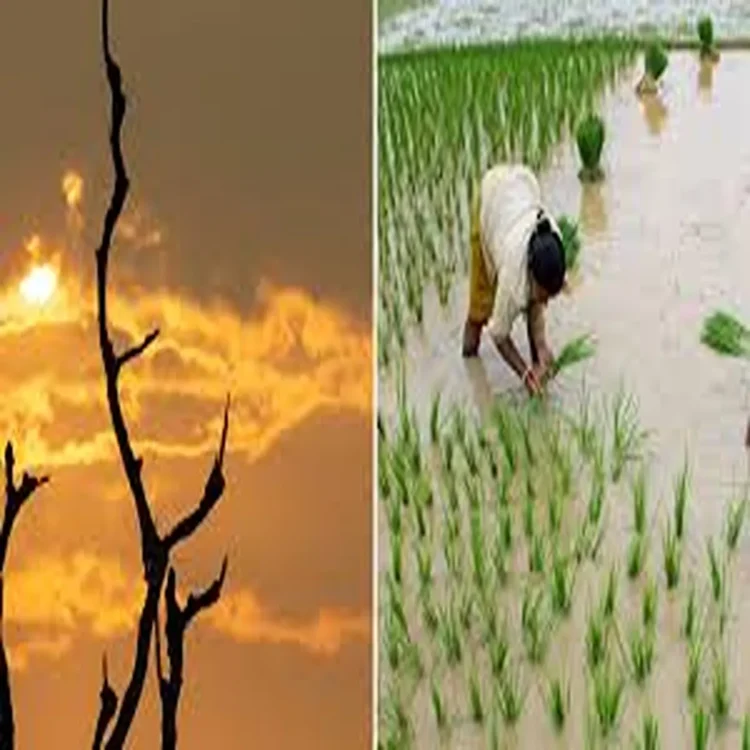
Farmers Await Clear Guidance Before Sowing
With the southwest monsoon entering Andhra Pradesh through the Rayalaseema region and light to moderate rainfall recorded in some districts, uncertainty remains over whether rainfall will continue consistently in the coming weeks. In several parts of the state, irrigation water has not yet been released, except in certain areas of the Godavari delta, leaving cultivators heavily dependent on monsoon conditions.
As preparations for Kharif farming gather pace, many growers have started purchasing seeds from private outlets while waiting for government seed supplies to reach them. However, a large number of farmers remain unsure about the ideal time to begin sowing operations due to the absence of clear and timely advisories from agricultural authorities.
Early Rainfall Often Influences Costly Decisions
According to farmers, the first spell of rain frequently triggers cultivation activities in villages. Encouraged by initial showers, they invest in land preparation, seeds, fertilizers and labour. However, if rainfall does not continue after sowing, crops often face moisture shortages during germination, affecting plant growth and reducing productivity.
On the other hand, postponing sowing in anticipation of better rainfall can also create challenges, including lower yields due to delayed cultivation. In the absence of dependable information, many farmers are forced to rely on personal judgment rather than scientific recommendations while making crucial decisions.
Experts Stress Importance of Information Access
Agricultural specialists note that access to accurate information has become as important as water, quality seeds and fertilizers in modern farming. They believe timely updates can help farmers make informed decisions about crop selection, sowing schedules and input management.
Farmers, however, argue that awareness programmes, village-level meetings and field demonstrations have become less frequent, particularly before the start of major cropping seasons. Information related to suitable crop varieties, soil testing, fertilizer application, irrigation management, pest control measures and agricultural credit schemes often does not reach cultivators in a structured and timely manner.
Technology Seen as a Practical Solution
Many farmers believe the challenge is not the availability of information but the failure to deliver it effectively. They point out that government departments already maintain extensive databases containing farmer details and mobile numbers. By using digital communication tools, authorities could send real-time updates directly to farmers, similar to emergency alert systems used during natural disasters.
Such a mechanism could provide immediate information on weather forecasts, water availability, pest outbreaks, input supplies and government support programmes, enabling cultivators to respond quickly to changing conditions.
Farmers Share Ground-Level Concerns
K. Krishna, a farmer from Vadlamannadu village in Krishna district, said he has cultivated paddy on around 10 acres for many years using the broadcasting method. He explained that sowing decisions are often based on the first rainfall of the season. However, several crops have suffered damage in the past when water availability declined after sowing. He believes advance information about rainfall patterns and canal water releases would help farmers make better decisions.
Another farmer, U. Venkateswarlu from Kollipora village in Guntur district’s Tenali mandal, said mistakes made at the beginning of a cropping season can have long-term consequences. Incorrect decisions regarding sowing time or crop choice can increase cultivation expenses and reduce overall farm income.
Demand for a Stronger Information Network
Farmers across the state are calling for a more effective communication system that delivers regular updates on rainfall forecasts, reservoir water releases, crop advisories, pest management and government welfare schemes. They believe such an approach would help bridge the gap between scientific knowledge and practical farming, reducing risks and improving agricultural outcomes during the Kharif season and beyond.