
Mangoes – Choosing the Best Varieties for Perfect Aamras at Home
Mangoes – The arrival of summer brings with it the much-awaited mango season, and for many households, preparing aamras is a cherished ritual. This simple yet flavorful dish depends greatly on the quality and type of mango used. Selecting the right variety ensures the final preparation is naturally sweet, aromatic, and smooth in texture.
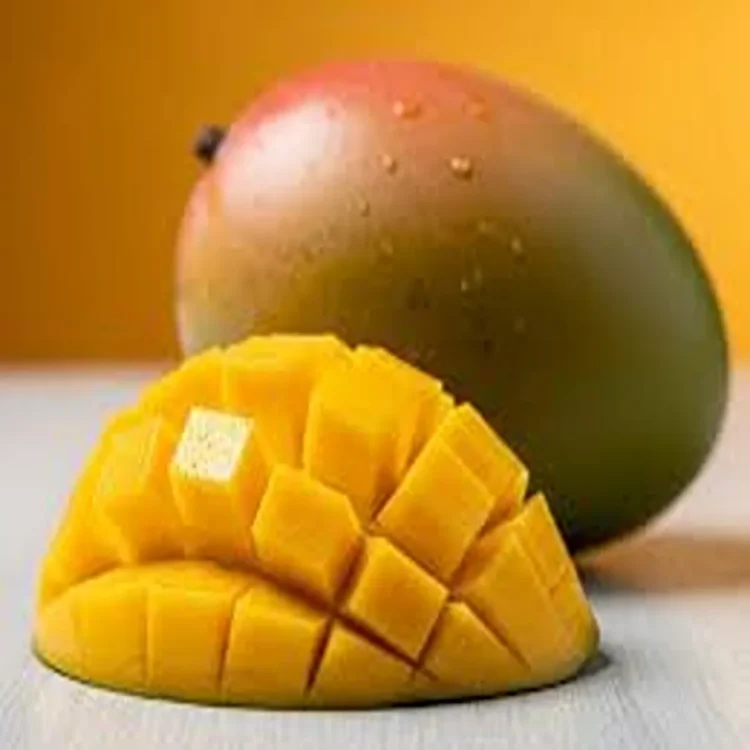
Popular Mango Varieties for Aamras
Among the wide range of mangoes available across India, a few stand out for their suitability in making aamras. Each variety offers a distinct taste and consistency, allowing people to choose based on personal preference.
Hapus, often referred to as Alphonso, is widely regarded as one of the finest choices. Particularly those grown in Ratnagiri and Devgad regions are known for their vibrant orange pulp, creamy texture, and rich sweetness. These qualities make Hapus a preferred option for those seeking a premium aamras experience.
Kesar mangoes are another popular variety, especially in Gujarat and parts of Maharashtra. They are known for their bright color and pleasant fragrance. The natural sweetness of Kesar mangoes adds a balanced flavor to aamras without requiring additional sweeteners.
Pairi mangoes hold a traditional place in many kitchens. They are slightly more fibrous but offer a juicy pulp with a mild tangy note. This combination of sweet and sour enhances the taste of aamras, making it refreshing and distinctive.
Badami mangoes, often called the Alphonso of Karnataka, are an economical yet reliable choice. They are soft, easy to blend, and yield a generous amount of pulp. Their mild sweetness makes them suitable for large batches of aamras, especially for families.
Importance of Choosing Ripe Mangoes
The quality of aamras depends heavily on the ripeness of the mangoes. Fully ripe fruits not only provide better sweetness but also ensure a smooth texture. When selecting mangoes, look for those that are slightly soft to touch and have a strong, pleasant aroma. Avoid unripe or overly fibrous varieties, as they may affect both taste and consistency.
Preparation Techniques That Enhance Flavor
Traditional methods of preparing aamras often deliver better results than modern shortcuts. Extracting pulp by hand or using a whisk helps maintain the natural flavor and prevents the mixture from darkening. While mixers are convenient, they can sometimes alter the texture and color of the pulp.
Another common practice is soaking mangoes in water for one to two hours before use. This step is believed to reduce the natural heat of the fruit and improve its overall taste, especially during peak summer.
Storage and Ingredient Considerations
When preparing aamras for immediate consumption, ingredients can be adjusted according to preference. However, if it needs to be stored for later use, certain precautions are necessary. Adding milk may reduce the shelf life and lead to quicker spoilage. It is advisable to keep the preparation simple and refrigerate it in an airtight container for better freshness.
Balancing Taste and Tradition
Aamras is more than just a dish; it reflects regional preferences and culinary traditions. While some prefer a thick and creamy consistency, others enjoy a slightly thinner version with a hint of tanginess. Choosing the right mango variety and following careful preparation steps can help achieve the desired taste.
Ultimately, the secret to perfect aamras lies in selecting high-quality mangoes and handling them with care. Whether using premium varieties like Hapus or more affordable options like Badami, attention to detail can make all the difference in creating a flavorful summer treat.