
TaiwanDefense – Chinese Aircraft and Naval Activity Spotted Near Taiwan Again
TaiwanDefense – Taiwan’s defense authorities reported fresh military activity from China near its territory early Saturday, noting the detection of multiple aircraft and naval vessels operating in nearby areas. According to official statements, eight Chinese aircraft sorties and seven naval ships were identified around Taiwan as of 6 a.m. local time.
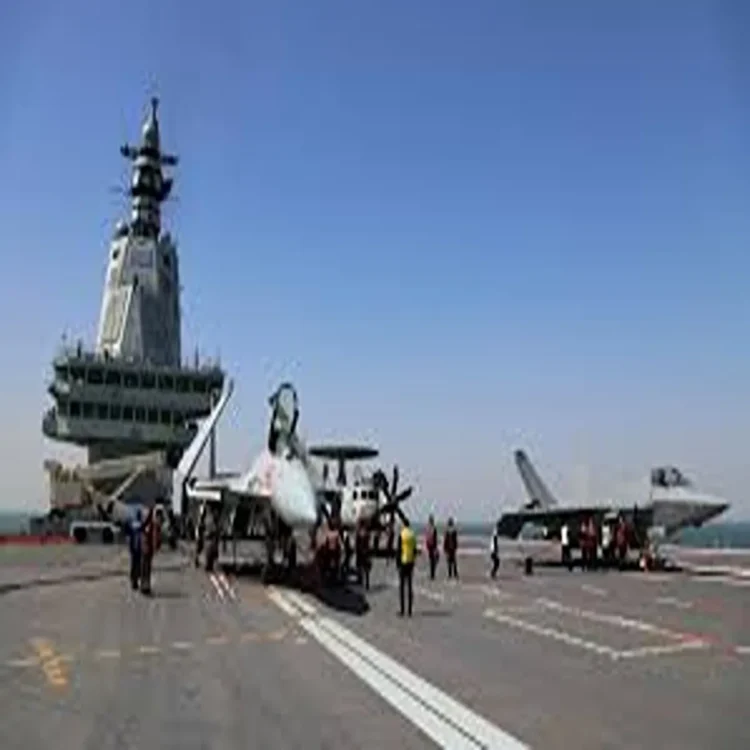
Military Movements Monitored Closely
Taiwan’s Ministry of National Defense confirmed that its armed forces kept a close watch on the situation and took appropriate measures in response. The activity was tracked through routine surveillance systems, and officials emphasized that the developments were handled with vigilance.
This latest observation follows a similar report from Friday, when Taiwan detected two Chinese military aircraft along with seven naval vessels operating in surrounding waters. Authorities noted that such movements are regularly monitored to ensure regional stability and preparedness.
Ongoing Pattern of Activity
The repeated presence of Chinese military assets near Taiwan has become a pattern in recent years. Defense analysts view these actions as part of broader strategic signaling in the region. While no immediate escalation has been reported, such movements are often interpreted as demonstrations of military readiness.
Taiwan’s defense ministry has consistently stated that it remains prepared to respond to any developments while maintaining a measured approach. Officials have reiterated their commitment to safeguarding national security without provoking unnecessary confrontation.
Taiwan’s Political and Strategic Position
Taiwan continues to function with its own government, military structure, and economic system, maintaining a distinct administrative identity. However, its political status remains a sensitive and widely debated issue in international relations.
Experts highlight that Taiwan’s situation raises complex questions related to sovereignty, self-determination, and global diplomatic norms. The island operates independently in practice, though its formal recognition varies across countries due to geopolitical considerations.
Historical Context of the Dispute
The roots of the Taiwan issue can be traced back several centuries. In 1683, China’s Qing Dynasty brought Taiwan under its control after defeating forces loyal to the Ming Dynasty. However, governance over the island remained limited for much of that period.
A major turning point came in 1895, when China ceded Taiwan to Japan following the First Sino-Japanese War. The island remained under Japanese administration for five decades until the end of World War II, when control shifted again.
The situation evolved further in 1949 after the Chinese Civil War. The establishment of the People’s Republic of China on the mainland coincided with the retreat of the Republic of China government to Taiwan. Since then, both sides have maintained differing claims regarding governance.
Present-Day Dynamics
Today, Taiwan operates as a self-governed entity with established institutions, though it has refrained from formally declaring independence. Analysts suggest this approach is aimed at maintaining stability and avoiding direct military conflict.
Meanwhile, China continues to assert its claim over Taiwan, viewing it as part of its territory. This ongoing difference remains a key factor shaping regional security discussions and international diplomatic engagement.
Recent military observations, such as those reported by Taiwan’s defense ministry, reflect the continuing sensitivity of the situation. While no immediate escalation has been indicated, developments in the region are closely watched by global observers.