
Diplomacy – Iranian Lawmaker Questions Pakistan’s Role in US Talks
Diplomacy – An Iranian parliamentarian has expressed reservations about Pakistan’s involvement as a mediator in ongoing discussions between Iran and the United States, casting doubt on Islamabad’s neutrality in efforts to ease tensions in West Asia.
Concerns Over Neutrality in Mediation
Ebrahim Rezaei, who serves as the spokesperson for Iran’s National Security and Foreign Policy Commission, publicly questioned Pakistan’s ability to act as a balanced intermediary. While acknowledging Pakistan as a neighboring country with friendly ties, he argued that its diplomatic stance often aligns too closely with Washington’s priorities. According to Rezaei, an effective mediator must maintain equal distance from both parties, something he believes Pakistan has not demonstrated.
He suggested that Islamabad tends to avoid positions that contradict American interests, raising concerns about its credibility in sensitive negotiations. His remarks highlight a broader skepticism within sections of Iran’s political leadership regarding external mediation efforts.
Claims Regarding Unfulfilled Commitments
Rezaei also pointed to what he described as a lack of transparency in Pakistan’s handling of earlier diplomatic proposals. He alleged that Pakistan did not openly acknowledge instances where the United States initially agreed to certain suggestions but later withdrew support. Additionally, he claimed that commitments related to regional issues, including developments in Lebanon and matters concerning blocked Iranian assets, were not honored by Washington.
In his view, a mediator must clearly communicate such developments to ensure trust between negotiating sides. He stressed that any perception of bias or selective disclosure could weaken the entire negotiation process.
Diplomatic Activity Intensifies
These comments come at a time when diplomatic engagement around the West Asia conflict is gaining momentum. Iran’s Foreign Minister Abbas Araghchi has been actively meeting international counterparts in an effort to sustain dialogue and reduce tensions.
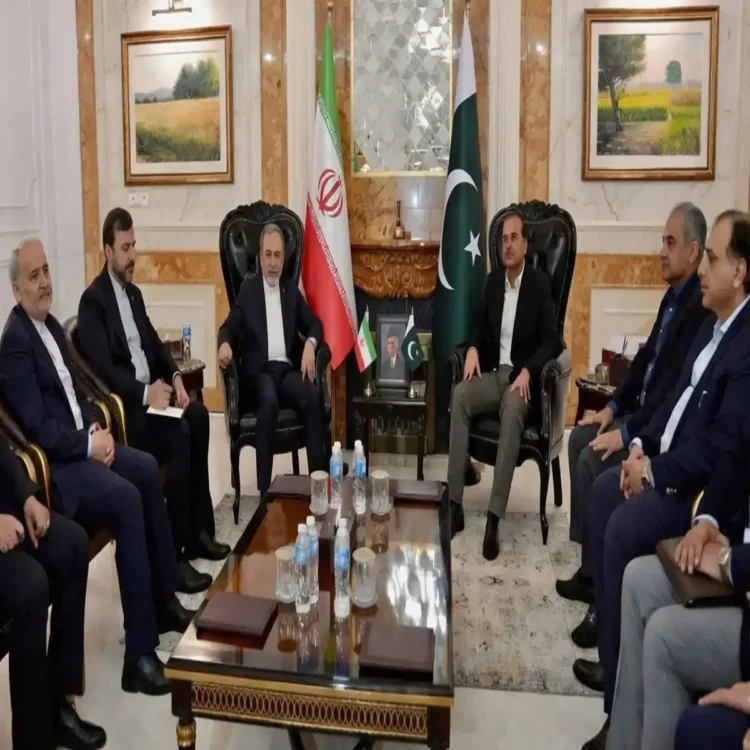
Araghchi recently traveled to Pakistan, where he described his discussions with officials as constructive and meaningful. The visit included a series of consultations aimed at exploring possible pathways toward de-escalation.
Following this, Araghchi proceeded to Russia, where he is expected to hold talks with President Vladimir Putin. The visit is seen as part of a broader strategy to coordinate with key global partners and strengthen diplomatic alignment on critical regional issues.
New Proposal to Reduce Tensions
Amid these developments, Iran has reportedly presented a fresh proposal to the United States aimed at lowering tensions in the region. According to reports, the proposal outlines steps to address immediate concerns, including the reopening of the Strait of Hormuz, a vital global shipping route.
The plan is said to prioritize resolving disputes related to the strait and addressing the impact of US-imposed restrictions before moving on to more complex matters such as nuclear negotiations. By separating immediate crisis management from long-term strategic issues, the proposal seeks to create space for gradual progress.
Balancing Regional Stability
The ongoing diplomatic exchanges reflect the complexity of achieving consensus in a region marked by overlapping conflicts and competing interests. While multiple countries have shown willingness to facilitate dialogue, questions about impartiality remain central to the process.
Rezaei’s remarks underscore the challenges faced by mediators attempting to bridge deep political divides. As talks continue, the effectiveness of any intermediary will likely depend on its ability to maintain credibility and foster confidence among all parties involved.
For now, Iran’s outreach to various international partners signals a continued commitment to diplomatic engagement, even as internal debates persist over who should play a role in shaping the path forward.