
Economy – Cuba’s Aging Population Struggles as Economic Pressures Deepen
Economy – On a quiet afternoon in Old Havana, a small group of senior citizens gathered inside a historic church hall for a simple but meaningful meal. Plates of minced meat, rice, beans and bread with a spread were served alongside strong local coffee. Before eating, the group recited a short prayer together, a routine they follow several times each week as part of a community effort to support older residents facing financial hardship.
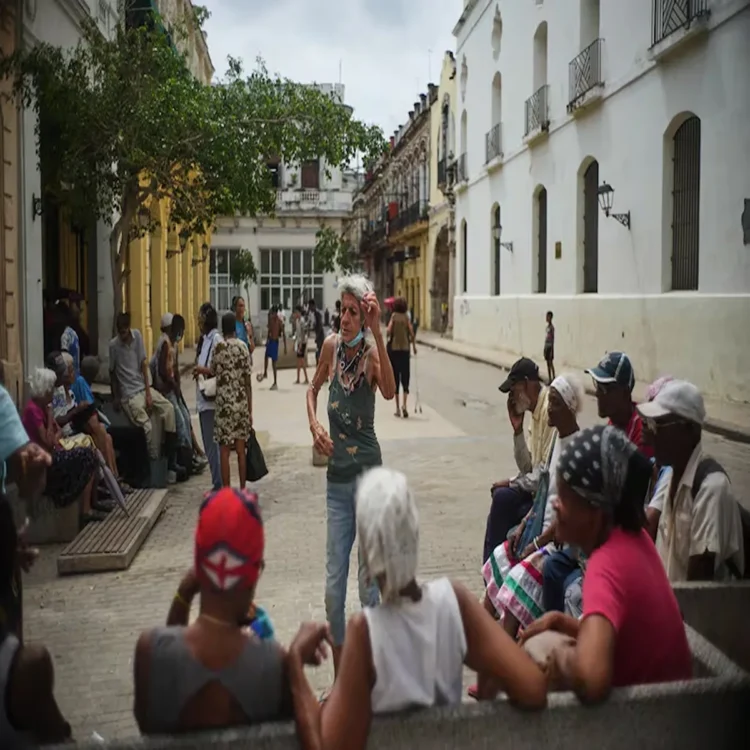
Community Meals Offer Relief to Retirees
Among those attending regularly is 84-year-old Carmen Casado, a retired chemical engineer who depends on these meals to supplement her limited income. Living alone without family support, she receives a monthly pension that barely covers basic needs. According to her, the food provided through government ration stores is insufficient, making initiatives like the church program essential for survival.
Casado explained that while staple items such as rice and bread are available through state distribution, they fall short of meeting daily nutritional needs. For many elderly individuals, these community meals are not just helpful—they are necessary.
Economic Crisis Intensifies Daily Challenges
Cuba’s ongoing economic difficulties have placed significant pressure on its older population. The situation has worsened in recent months, influenced in part by external factors such as trade restrictions introduced during the presidency of Donald Trump. These measures have contributed to fuel shortages and rising living costs across the island.
Retirees, many of whom once worked in public service roles including education, healthcare and administration, now survive on pensions that often amount to only a few dollars per month. In addition to financial strain, many face emotional challenges due to the departure of younger family members who have emigrated in search of better opportunities.
A Generation That Witnessed Historic Change
This older generation has lived through defining moments in Cuba’s history. From the arrival of Fidel Castro in Havana to the tensions of the Bay of Pigs invasion and later diplomatic shifts such as the meeting between Barack Obama and Raúl Castro, their lives have been closely tied to the nation’s political and economic evolution.
Now, in their later years, many are adjusting to a reality that requires them to find alternative ways to cope. Some sell small goods on the streets, while others spend hours waiting in lines for essential supplies or rely on charitable services.
Demographic Shift Adds to Pressure
Cuba is experiencing a notable demographic shift, with one of the oldest populations in Latin America. Official data indicates that a significant portion of citizens are aged 60 and above, a figure well above the regional average. This trend is driven by longer life expectancy and lower birth rates.
At the same time, the country has seen a sharp population decline in recent years, largely due to migration. Millions have left the island, reducing the overall population and leaving behind a higher proportion of elderly residents.
Visible Impact Across Communities
The effects of these changes are evident throughout Havana. It is increasingly common to see older individuals navigating daily life alone—some searching for recyclable materials, others waiting in long queues for subsidized food items.
In response, authorities have begun allowing private individuals to offer elder care services, marking a shift from the country’s traditionally centralized system. While still limited, this move reflects growing recognition of the need for additional support structures.
Resilience Amid Uncertainty
Despite the challenges, many seniors continue to maintain a sense of resilience. Casado, for instance, remains independent and manages her daily routine without assistance. She considers herself fortunate to still have access to essential medication and good health.
While acknowledging the hardships, she attributes many of the country’s struggles to external pressures and expresses hope for gradual improvement. For her and many others, adapting to changing circumstances has become a part of daily life.