
Conflict – Deadly dispute over water leaves dozens killed in eastern Chad
Conflict – A violent confrontation between two families over access to a water source has left at least 42 people dead in eastern Chad, highlighting the growing strain on limited resources in the region. The incident occurred in Igote village, located in Wadi Fira province near the Sudanese border, and quickly escalated into a series of retaliatory attacks.
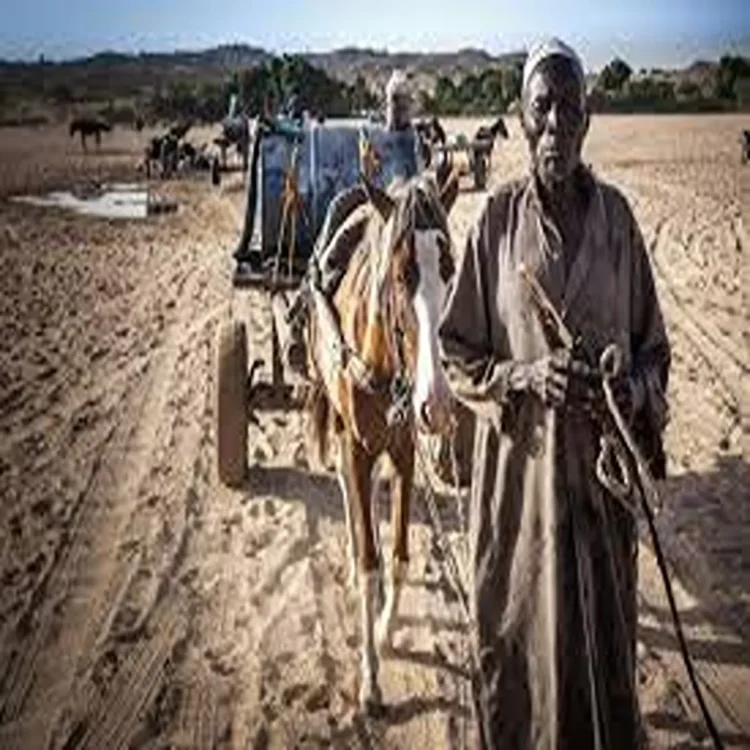
Clashes spiral into widespread violence
According to Deputy Prime Minister Limane Mahamat, the initial disagreement intensified rapidly, triggering a chain of reprisals that spread across nearby communities. By the time authorities intervened, dozens had lost their lives and at least 10 others had sustained injuries. The wounded were transported to a regional health facility for treatment.
Mahamat, who visited the affected area following the incident, described the violence as severe but said that prompt action by security forces helped prevent further escalation. Military units were deployed to contain the situation, and officials now report that order has been restored.
Government steps in with mediation and legal action
In response to the killings, the government has initiated both traditional and formal measures to address the crisis. A customary mediation process has been launched in Igote to ease tensions between the families involved and to prevent further retaliation. At the same time, judicial proceedings are being prepared to identify those responsible for the violence and ensure accountability under the law.
Authorities have emphasized the importance of maintaining stability in the region, particularly given its proximity to an already volatile international border. Officials say additional steps will be taken if needed to avoid further unrest.
Resource disputes remain a recurring challenge
Incidents like this are not uncommon in Chad, where disputes over land, water, and grazing areas frequently lead to conflict between communities. In many rural areas, access to essential resources is limited, and competition can quickly turn violent.
A similar episode last year in the southwestern part of the country resulted in dozens of deaths and widespread destruction of property. Such recurring clashes underscore the need for long-term solutions to resource management and conflict resolution.
Pressure grows due to influx of refugees
The situation in eastern Chad has become increasingly complex due to the ongoing conflict in neighboring Sudan. Over recent months, large numbers of refugees have crossed into Chad seeking safety, placing additional pressure on already scarce resources such as water and food.
Humanitarian agencies estimate that hundreds of thousands of people have entered Chad since the Sudan conflict began. This sudden population increase has strained local infrastructure and heightened tensions among communities competing for basic necessities.
Border security tightened amid regional instability
In an effort to contain the impact of the Sudan conflict, Chad closed its border with Sudan earlier this year. The decision followed reports of armed groups crossing into Chadian territory, raising concerns about the potential spread of violence.
Officials say the closure is part of broader efforts to safeguard national security and prevent further destabilization in border regions. However, the move has also complicated the situation for civilians fleeing violence, many of whom rely on cross-border access for safety.
Broader humanitarian crisis continues to unfold
The war in Sudan has had devastating consequences, with tens of thousands reported dead and millions displaced. International organizations warn that the actual death toll may be significantly higher. The conflict has also triggered widespread food shortages, disease outbreaks, and severe humanitarian challenges.
As Chad continues to absorb refugees and manage internal tensions, the recent violence in Igote serves as a stark reminder of how fragile the situation remains. Addressing both immediate security concerns and long-term resource issues will be critical in preventing similar tragedies in the future.