
StraitOfHormuz – Trump Seeks Global Naval Support to Safeguard Vital Oil Route
StraitOfHormuz – United States President Donald Trump has revealed that his administration has approached several countries to help secure shipping routes through the Strait of Hormuz as the ongoing confrontation with Iran threatens stability in one of the world’s most critical maritime passages.
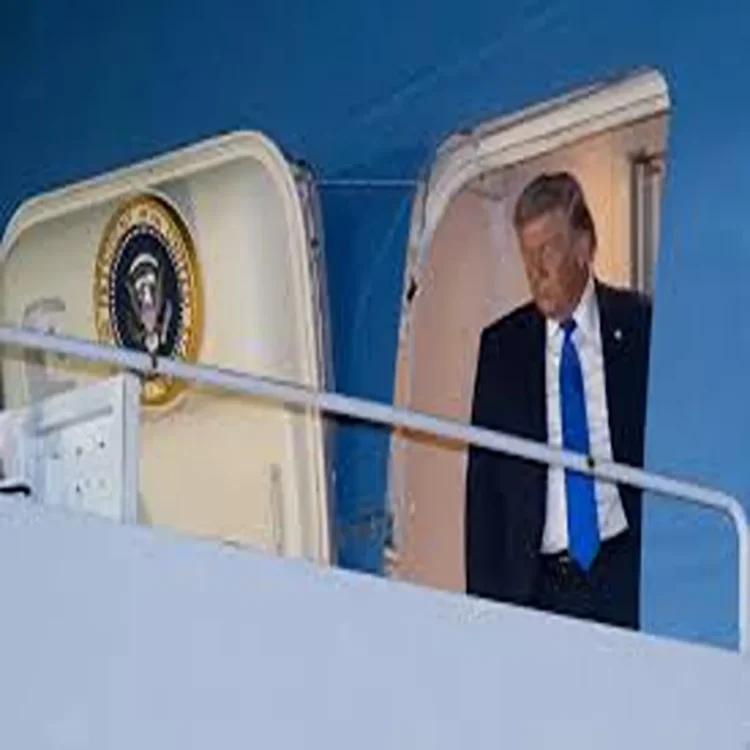
Speaking to reporters aboard Air Force One on Sunday, the US leader said Washington had contacted around seven nations and encouraged them to deploy naval vessels to assist in maintaining safe transit for commercial ships moving through the strategic waterway. The strait plays a crucial role in global energy markets, carrying roughly one-fifth of the world’s oil exports.
Call for Shared Responsibility in Maritime Security
Although the president did not publicly identify the countries contacted, he indicated that the outreach focused on nations heavily dependent on oil supplies from the Middle East.
Trump argued that these countries have a direct interest in protecting the shipping corridor and should take an active role in safeguarding it. According to him, the United States imports only a small portion of its oil through the region, while several other major economies rely on the passage for the majority of their energy needs.
He explained that discussions are underway about forming a coordinated international effort to patrol the strait and escort commercial vessels when necessary. Washington has signaled its willingness to participate alongside other countries rather than lead the mission alone.
No Firm Commitments Yet from Potential Partners
Despite the proposal, no government has publicly confirmed participation in the plan so far. Diplomatic conversations are still in progress, and it remains uncertain whether a multinational coalition will ultimately be assembled to oversee security operations in the area.
Trump compared the request to situations where the United States supports allies in other geopolitical matters. He pointed to American involvement in NATO activities and assistance to Ukraine as examples of cooperation that, in his view, demonstrates Washington’s willingness to contribute to global security efforts.
The president suggested that safeguarding the shipping route should be seen as a limited but important task aimed at keeping a vital global trade artery open.
Trump Claims Iranian Military Capabilities Have Weakened
During the same discussion, Trump also commented on the current military balance between Washington and Tehran. He argued that recent operations have significantly reduced Iran’s defense capacity, including its air forces and air defense systems.
According to the president, Iranian missile inventories and drone capabilities have also been reduced following US actions targeting weapons manufacturing sites. He described the campaign as a strong military effort intended to prevent further escalation and maintain regional stability.
Trump suggested that while Iran could still attempt limited responses, its overall ability to retaliate has been considerably weakened.
Tehran Says Passage Decisions Lie with Iranian Military
Iran has offered a different perspective on developments in the region. Iranian Foreign Minister Abbas Araghchi said in an interview with a US broadcaster that several countries have approached Tehran directly regarding safe passage for their ships.
He stated that decisions on allowing vessels through the strait fall under the authority of Iran’s armed forces. According to Araghchi, a number of ships from various countries have already been permitted to move through the waterway.
The Iranian official also rejected the idea of renewed diplomatic engagement with Washington aimed at ending the conflict. He maintained that the current confrontation began after coordinated strikes by the United States and Israel earlier this year during discussions related to Iran’s nuclear program.
Rising Energy Prices Reflect Global Market Anxiety
The tension in the Strait of Hormuz has already begun to affect global energy markets. Oil prices have climbed above 100 dollars per barrel since military activity in the region intensified two weeks ago.
In the United States, gasoline prices have also risen sharply, increasing by more than seventy cents per gallon in recent days. Analysts warn that prolonged instability around the strait could disrupt global supply chains and put additional pressure on energy markets worldwide.
Reports have indicated that Iranian forces attempted to impede maritime movement using small boats and naval mines. In response, US officials say the Navy will continue escorting commercial vessels to ensure safe passage through the area.
Domestic Political Pressure Mounts in Washington
The economic impact of rising fuel costs is beginning to influence domestic political debates in the United States. Several Republican lawmakers have urged the White House to act quickly to prevent a broader economic crisis, particularly as the country moves toward an election year.
However, President Trump and some members of his party have resisted calls for a rapid end to military operations. They argue that a carefully managed strategy is necessary to avoid long-term disruption to international trade and energy supply routes.